About seven feet down
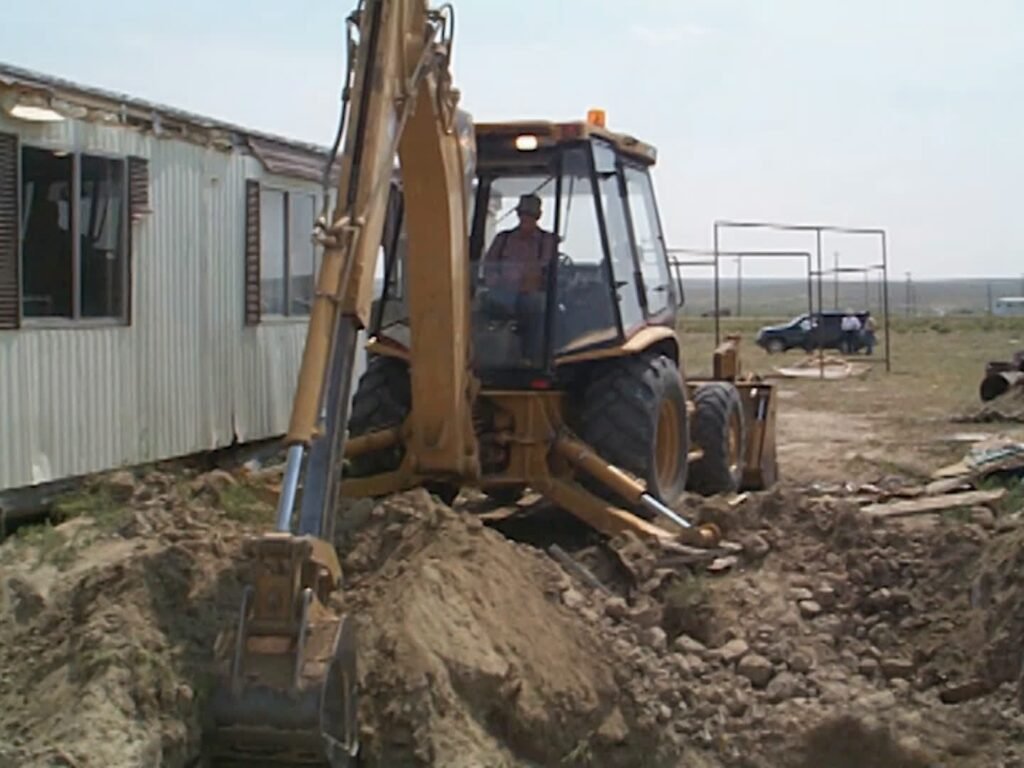
The backhoe worked through the dry ground next to an old trailer. Investigators stood around the hole as it got deeper.
About two meters down, roughly seven feet, they found it.
It was a car. It had been buried whole, and 14 years under the dirt had crushed its roof. The license plate was still attached.
LIL MISS.
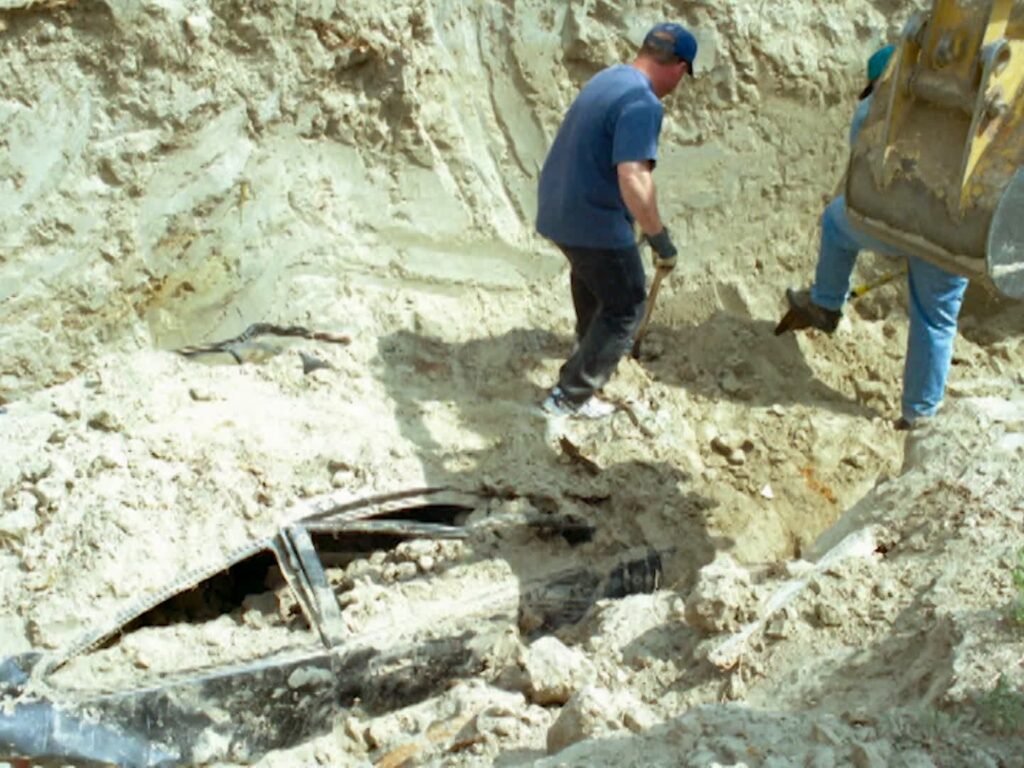
It was Lisa’s black Honda CRX. Someone had dug a pit on Eaton’s land, put the car in it and covered it over. The windows were broken. The car had been stripped. Its wheels, seats and stereo were gone.
The car police had been looking for since 1988 had been under a stranger’s yard the entire time, about 80 miles from the river where Lisa was found.
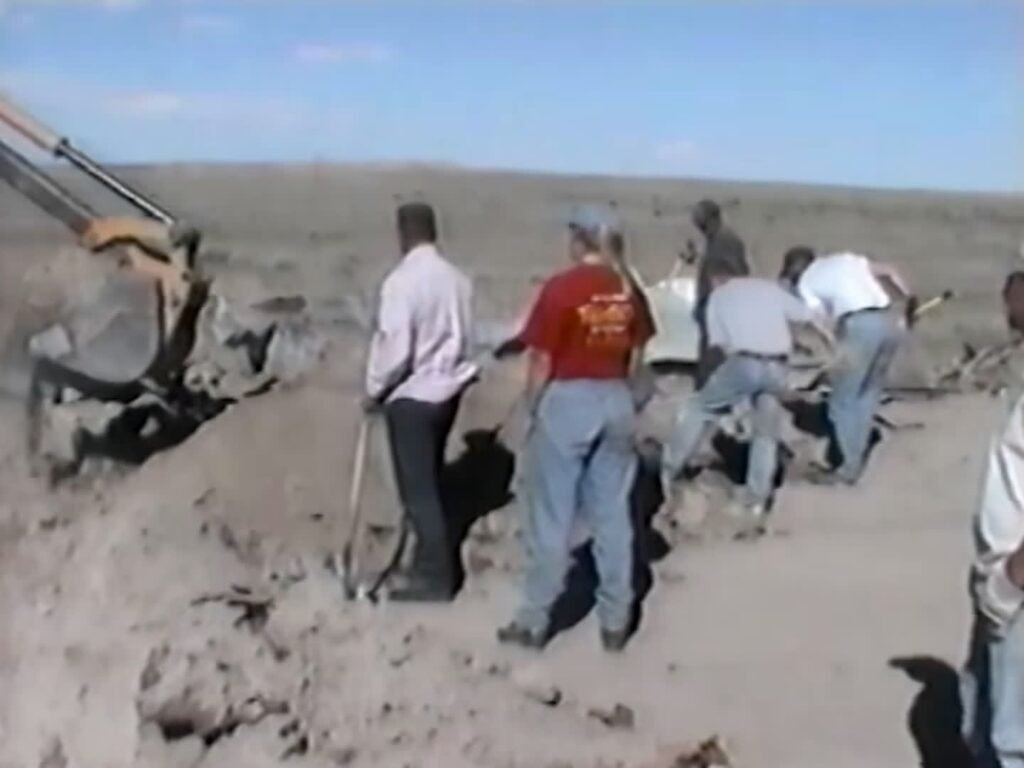
To prosecutors, the car told the story the DNA had started. Lisa had not simply met her killer in Casper. Prosecutors argued that he had taken her and her car on the highway, forced her at gunpoint to drive to his place in Moneta and held her there.
The trial
Eaton was charged in early 2003 with first-degree murder, aggravated kidnapping, aggravated robbery and sexual assault.
His trial opened in Casper on March 9, 2004. His defense offered a story in which Eaton admitted he had known Lisa and claimed she had tried to rob him. It went nowhere. On March 17, 2004, the jury found him guilty on every count.
Three days later, on March 20, 2004, the same jury sentenced him to death. Sheila Kimmell had faced him in that courtroom. He would not look at the family.
In 2005, Sheila published a book about her daughter’s case. She called it The Murder of Lil’ Miss.
A fire on her birthday
The Kimmells sued Eaton for Lisa’s wrongful death and won. The court awarded them the thing he owned: the land in Moneta where Lisa had been held and where her car had been buried.
They knew exactly what they wanted to do with it.
On July 18, 2005, which would have been Lisa’s 36th birthday, Ron and Sheila Kimmell traveled about 350 miles to Moneta. Firefighters set Eaton’s old house and buildings alight, and the family watched them burn to the ground. It took about half an hour.
“This is a matter of honoring our daughter,” Sheila Kimmell told CBS News. She said it was not about revenge. “I feel a tremendous amount of sadness, but then I feel a sense of peace.”
A local fire official put it in four words: “Cleansing it by fire.”
Seventeen more years
That should have been the end. It was not.
Eaton appealed. In December 2009 he won a stay of execution, weeks before he was set to die in early 2010. In November 2014, a federal judge struck down the death sentence, ruling that Eaton had not been properly represented during the penalty phase of his trial. His conviction stood. The sentence did not.
Prosecutors in Natrona County filed to seek death again in 2015. Years of hearings followed. Eaton suffered several strokes. In 2021, mental evaluators found he was no longer competent to go through a new death penalty hearing, and both sides agreed to drop it.
A resentencing was set for January 2022. The Kimmell family traveled to Casper for it. Eaton never arrived. The state prison system had failed to bring him to court.
He was finally resentenced on Friday, March 25, 2022. It was 34 years to the day since Lisa had left Denver for home.
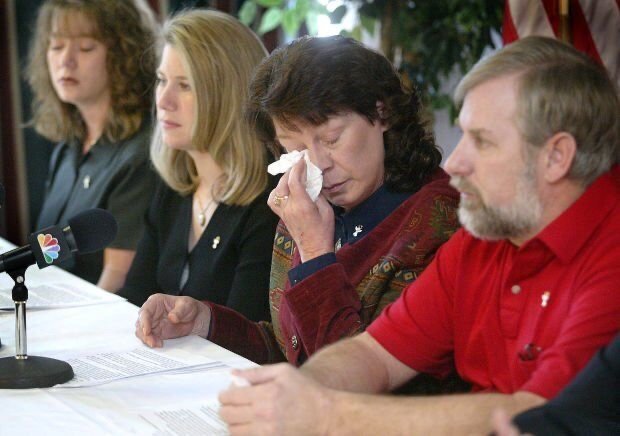
Sheila Kimmell stood up in the courtroom and spoke to him again. She had counted the days since she last confronted him: 6,511.
“You wouldn’t look at us at that time,” she said. “You not only took Lisa’s life away, you took part of our lives away.”
Then she asked him a list of questions. “Can you remember Lisa’s face? Can you remember her cries? Can you remember her tears? Can you remember her screams? Can you remember the fear in her eyes? Can you remember her pain? Can you remember her last breath? Can you remember her last heartbeat?”
Lisa’s sister Stacy Pitts was 13 when Lisa was killed. “I am so angry I had to grow up much faster than other 13-year-olds,” she told the court. “She would have been such a wonderful mother. She never got to meet her nephews.”
Sheila said the family would have accepted a life sentence long ago, if only Eaton had ever asked for forgiveness.
Asked if he wanted to say anything, Eaton at first declined. Then he spoke through his lawyer.
“He wants to say he’s sorry,” his attorney said.
The end of the road
Judge Daniel Forgey sentenced Dale Wayne Eaton to life in prison without the possibility of parole, plus 40 to 50 more years for kidnapping, to be served after it. He will die in prison.
Investigators have named him as a possible suspect in other Wyoming cases over the years, including the 1997 disappearance of runner Amy Wroe Bechtel near Lander. He has never been charged in any of them.
Lisa Marie Kimmell was 18. She was stopped for speeding, sent on her way, and taken somewhere between Douglas and home.
It took a DNA database to find the man who took her. It took a backhoe to prove it. And for 14 years, the answer had been sitting about seven feet under the dirt in Moneta, with two words still attached to it.
LIL MISS.