Reader discretion: this story contains details of violence some readers may find distressing.
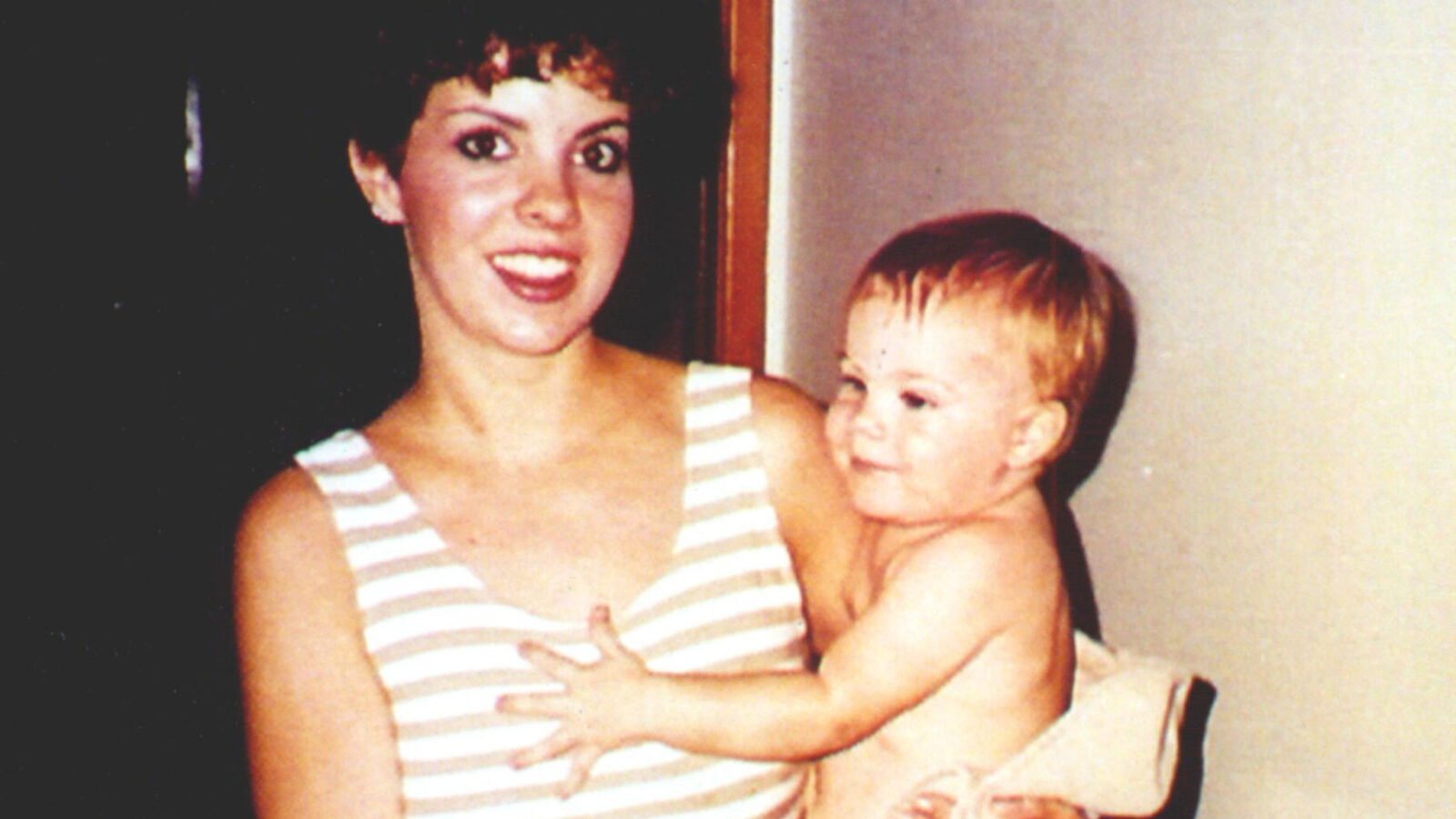
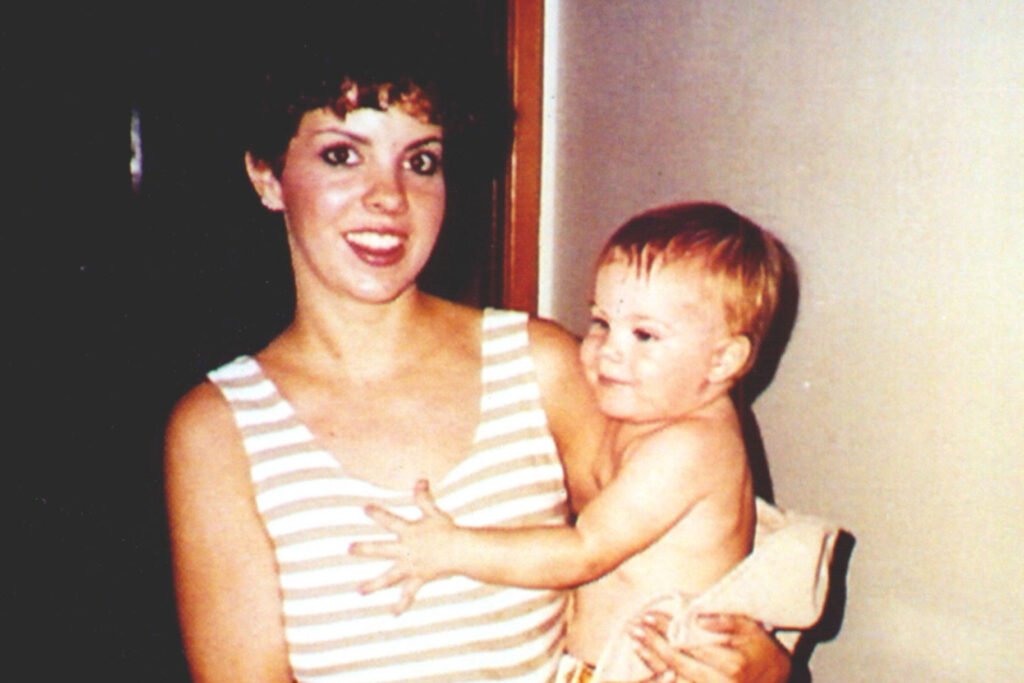
On the night of January 6, 1993, Bonnie Haim was at home in a small ranch house on the Northside of Jacksonville, Florida, with her husband, Michael, and their 3-year-old son, Aaron.
By morning she was gone. Her husband said she had simply walked out. Her little boy said something very different, and it would take him 21 years to prove it.
The night she “left”
Bonnie was 23. She had married Michael Haim young, and by the start of 1993 the marriage was in trouble. Friends later told police she had been planning to leave him and take Aaron with her. She had made plans to move into an apartment with her son while her husband was away on a trip.
According to the affidavit that would one day lead to his arrest, Michael was abusive. Bonnie had secretly opened a bank account. When he found out and made her close it, she began handing money to a trusted friend to keep for her.
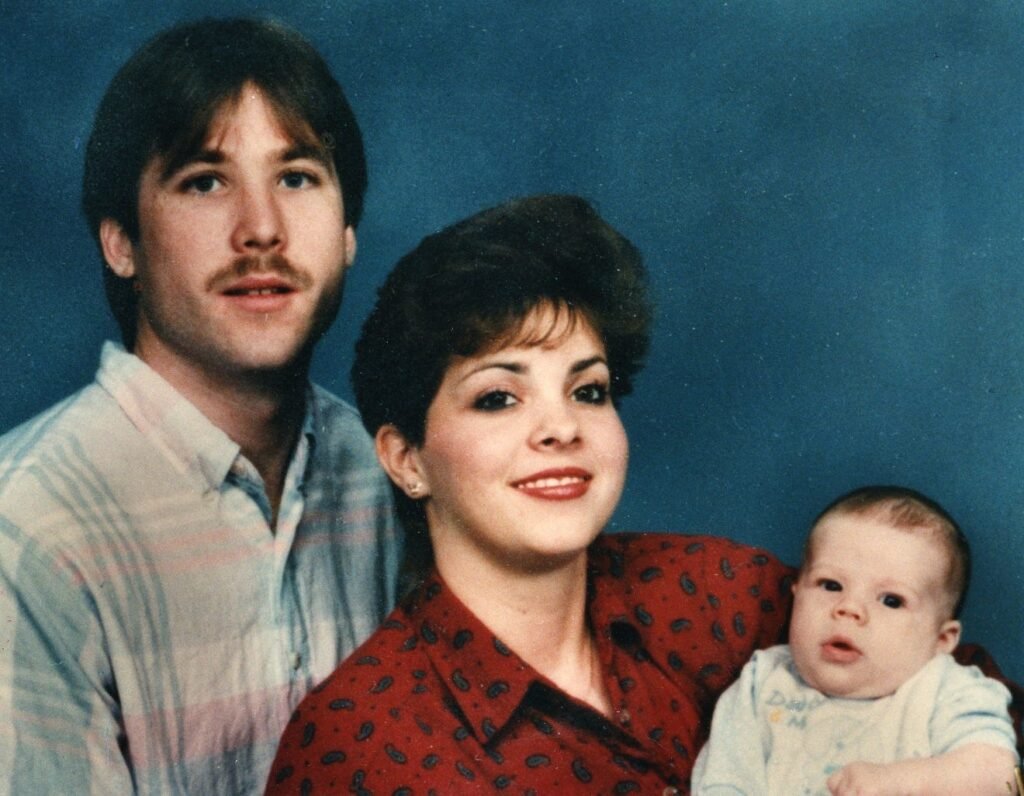
Michael’s version of that night never changed. He said he and Bonnie argued about their marriage, and late that night she left the house without saying a word. He said he called his mother to come watch Aaron and drove around in the early hours looking for her.
He did not call the police.
The next morning, someone found Bonnie’s purse in a dumpster behind a hotel near Jacksonville International Airport. Her cash, her credit cards and her driver’s license were all still inside. Then police found her car in an airport parking lot.
It looked like a woman who had walked away from her life and caught a plane. But nobody could find a ticket, a flight or a single sighting of Bonnie Haim.
What the little boy said
Within two days, a child protection worker named Brenda Medders sat down with Aaron, who was three and a half.
She asked him about his mother. Aaron told her his mother had been hurt. When she asked who hurt her, he told her: his daddy. He said it happened at night.
According to the 2015 arrest affidavit, he said more than that. “Daddy shot Mommy.” “Daddy placed Mommy in timeout.” “My daddy could not wake her up.”
Detectives believed him. Michael Haim was their prime suspect from the first day. They took a .22-caliber firearm from the house. They searched the property again and again over the years.
They never found Bonnie. And without a body, prosecutors never charged her husband.
“Where’s Mommy?”
Soon after Bonnie vanished, a young reporter named Mary Baer from WJXT went to the house for a story about the missing mother. She remembered the photos on the walls of Bonnie with her little boy.
Michael Haim seemed oddly calm. He avoided her eyes. Then he called Aaron into the room, sat him on his lap in front of the camera, and kept asking him: “Where’s Mommy? Where’s Mommy?”
“It’s not here,” the toddler answered.
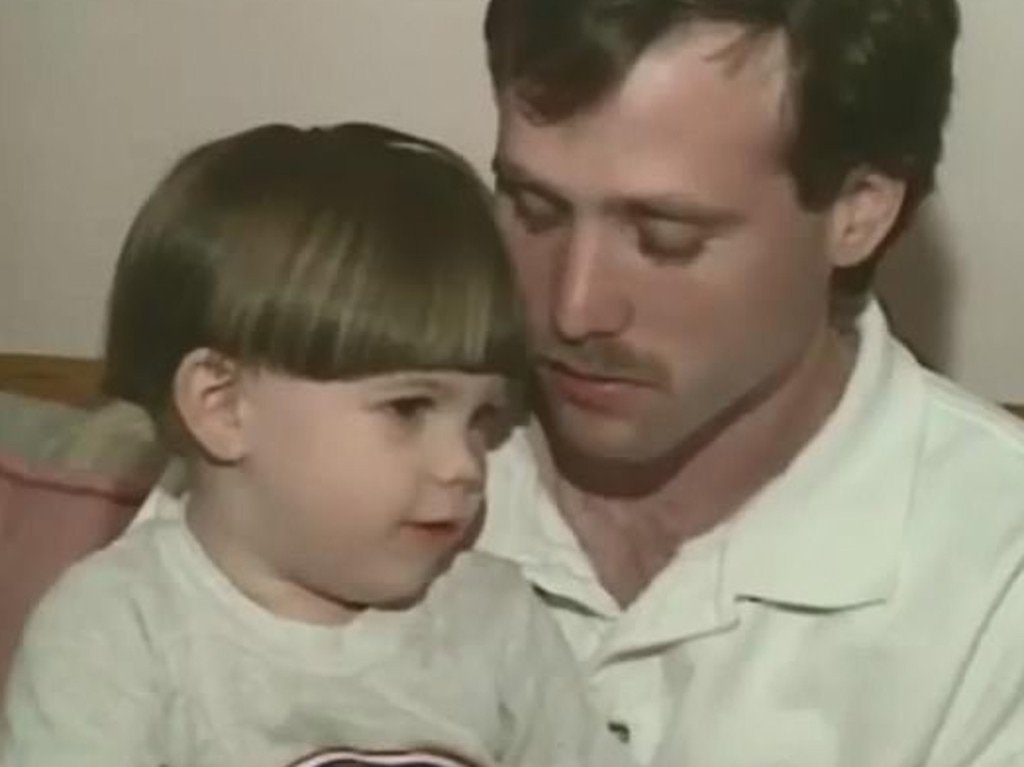
“It was haunting to me,” Baer said years later. “It’s possible that while I was sitting there, she was out in the yard, buried.”
That night, back in the newsroom, she told a colleague she was sure she had just interviewed a killer.
A boy nobody believed
Aaron never went back to live with his father. He was adopted by another family, took their last name, Fraser, and grew up in therapy.
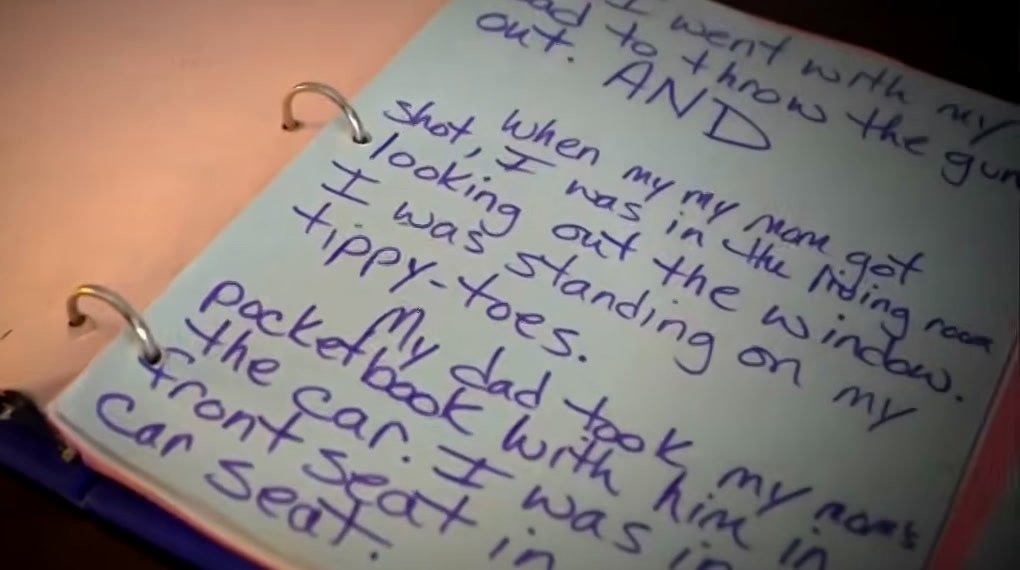
Years later, when he was about six, he was still talking about that night. In a video recorded at the time, a social worker and his foster mother sit with him on a couch, going through his drawings and the things he had said. In a notebook, his words were written down: that he went with his dad to throw the gun out, that he was in the living room “standing on my tippy-toes” looking out the window when his mom was shot, that his dad took his mom’s pocketbook in the car while he sat in his car seat.
And one more line: “He buried my mom.”
As an adult, Aaron said he had no memory of any of it. But he never stopped believing his father had killed his mother. Much of his own family did not believe him. His grandparents, he told detectives, used to say to him: “You’re brainwashed. We love you. We care about you.”
Michael Haim, meanwhile, was never charged. For years, he lived off his missing wife’s life insurance policy. He held on to the Northside house and rented it out.
One renter later testified about a strange clause in her lease. She was not allowed to dig or plant anything in the yard. And when she left the house, her two dogs had to stay shut inside the master bedroom.
Aaron took his father to court. He sued Michael Haim for the wrongful death of his mother, and he won. Part of what he was awarded was the house he had lived in when he was three.
The outdoor shower
In December 2014, Aaron Fraser, now in his mid-twenties, started fixing up the house to sell it. His brother-in-law, Thad, came to help.
There was an old pool in the backyard and an outdoor shower on a concrete slab. Both had to go. They brought in an excavator, ran it over the concrete and started breaking it up. A water pipe cracked.
“There’s no thought in my head that, ‘She’s here,'” Aaron said later. “I’m not digging to look for her.”
On December 14, a few inches under the slab, he found a plastic bag.
There was something round inside. He picked it up and turned to Thad.
“Why would someone bury a coconut in a bag?” he asked.
Continue readingPage 2 of 2