Reader discretion: this story contains details of violence some readers may find distressing.
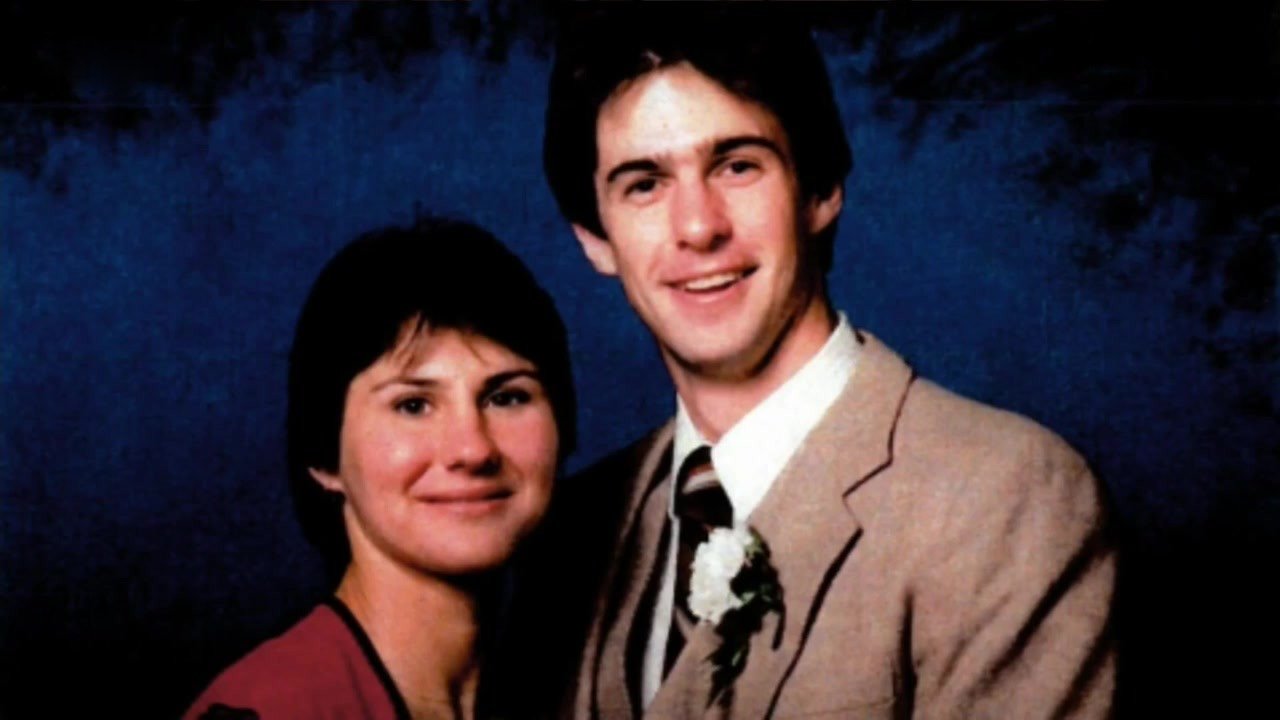
On the evening of February 24, 1986, John Ruetten came home from work to the condo he shared with his wife in Van Nuys, in Los Angeles’s San Fernando Valley.
He had been calling her all day. Nobody had answered.
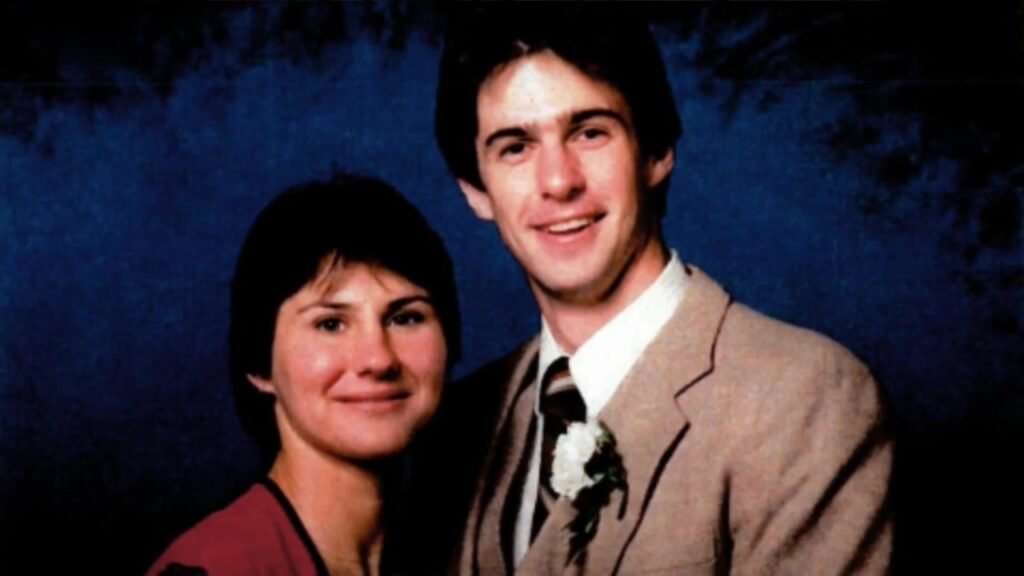
There was broken glass in the driveway. Their BMW was gone. Inside, his wife, Sherri Rasmussen, was lying on the living room floor. She had been beaten and shot three times. She was 29 years old, and they had been married for three months.
The burglary that wasn’t
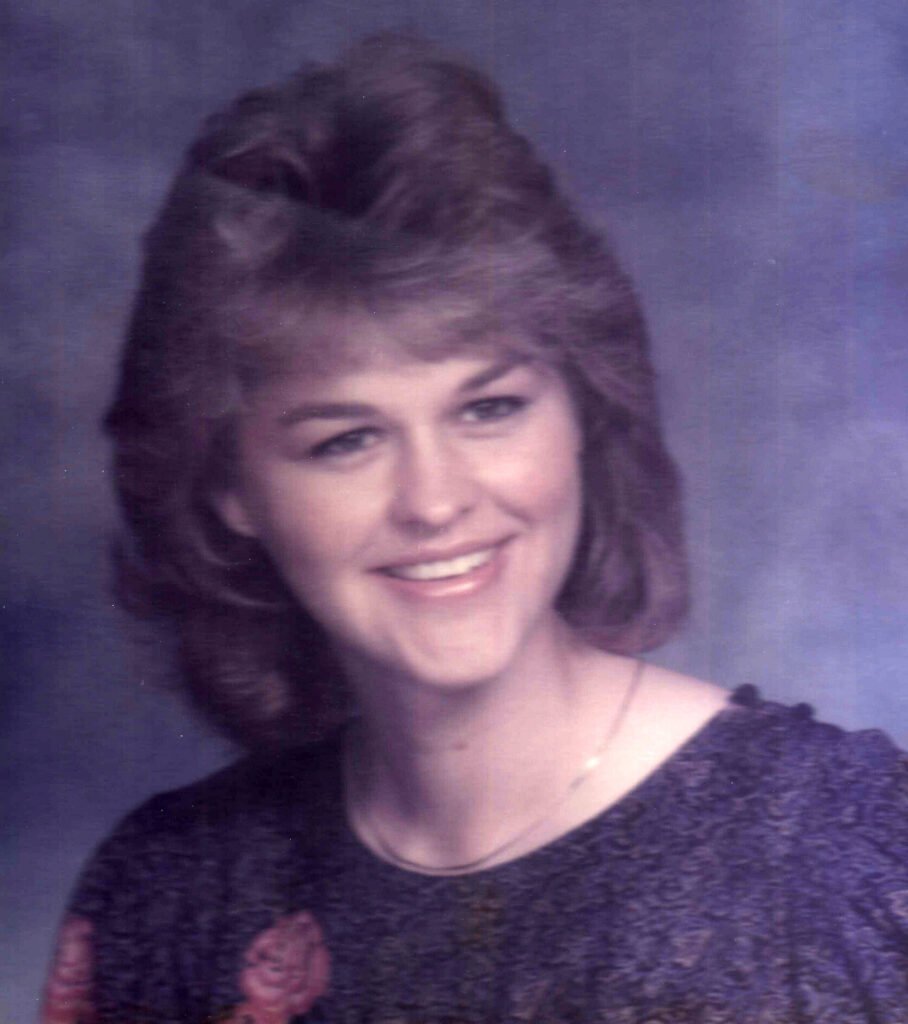
Sherri was a rising star in nursing. She was the director of critical care nursing at Glendale Adventist Medical Center, and that morning she had been due to give a presentation. She had a sore back, and she had told John she might stay home.
The house looked like it had been robbed. Stereo equipment was stacked near the stairs, as if someone had been carrying it out and got interrupted. The car was missing. Not long afterwards, two armed robbers hit another home in the area.
The detectives from Van Nuys put it together the obvious way. A burglar, or two, had broken in, Sherri had surprised them, and it had turned violent.
“I believe your house was burglarized today,” the lead detective, Lyle Mayer, told John that night.
The BMW turned up 11 days later, a couple of miles away, unlocked with the keys in the ignition. Nobody was ever charged.
The name her father kept repeating
Sherri’s father, Nels Rasmussen, never believed the burglary story. He kept giving police one name: Stephanie Lazarus.
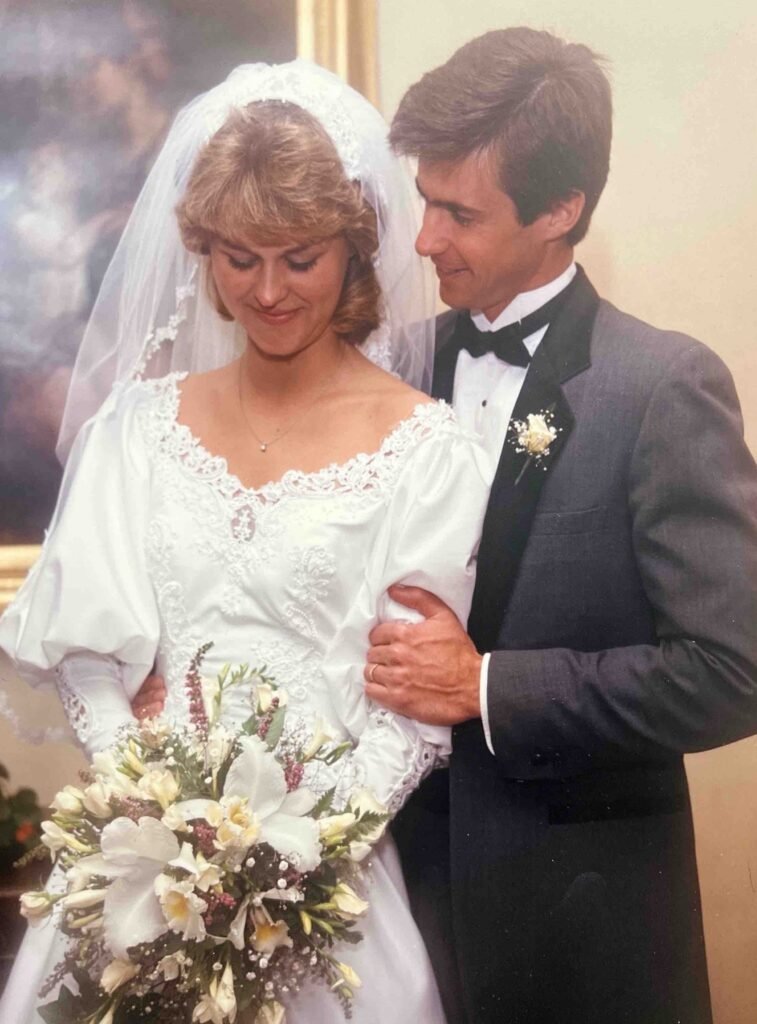
Lazarus and John Ruetten had known each other since their days at UCLA, where they had lived in the same dorm. Over the years they had slept together on and off. John later testified that he never thought of her as his girlfriend. She saw it very differently.
When John got engaged to Sherri in 1985, Lazarus was devastated. And by then she had a badge. She had joined the Los Angeles Police Department in 1983 and was working as a patrol officer.
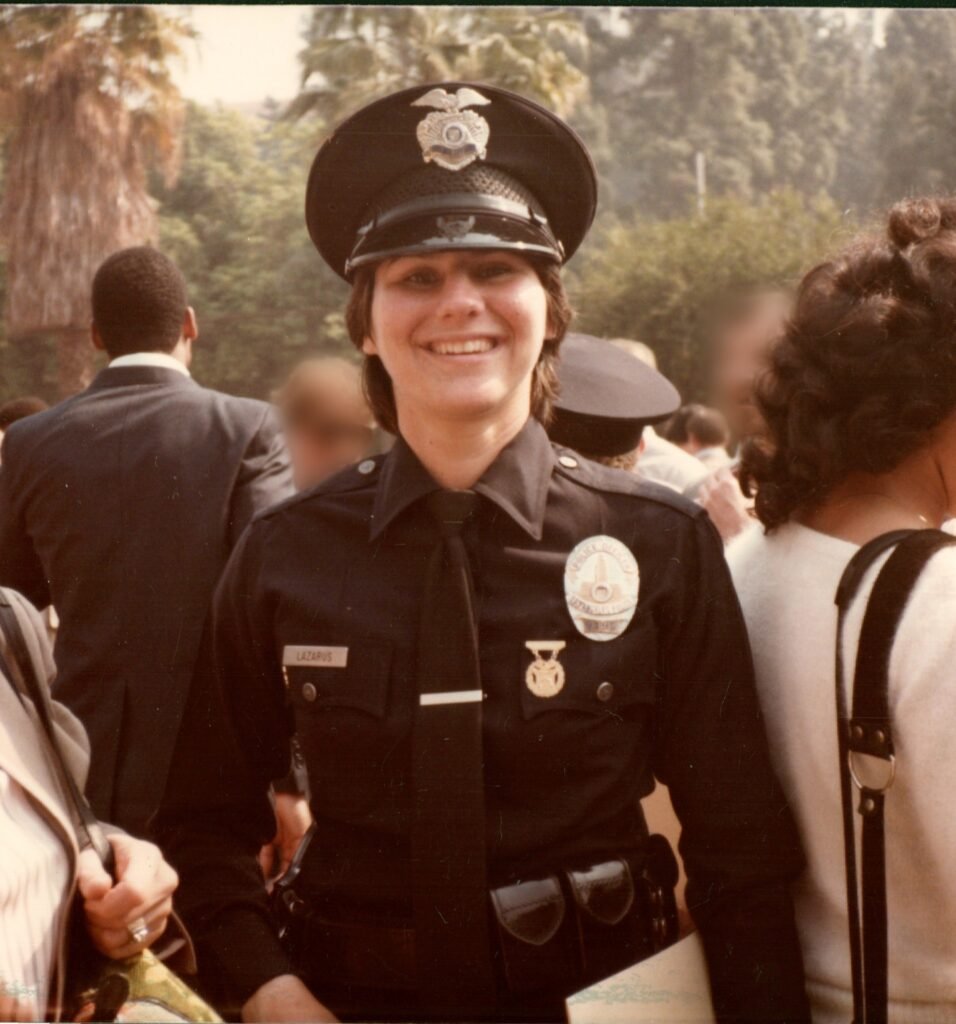
Months before the wedding, Lazarus showed up at Sherri’s hospital and confronted her about John. Sherri told her father about it. Later she told him she believed Lazarus was following her.
Nels passed all of it on to the detectives. They didn’t take it seriously. He wrote to the LAPD chief, Daryl Gates, asking for help. The department brushed the family off. The detectives stayed with their burglars.
A cop with a secret
So Stephanie Lazarus kept working.
About two weeks after the murder, she reported that her backup gun had been stolen from her car, a snub-nosed .38 Smith & Wesson revolver. She reported it to the Santa Monica police, not to her own department. Then she bought a new one.
Her career went on for more than 20 years. She was promoted to detective in 1994. She worked in the art theft unit, which put her in front of cameras and reporters. She married another police officer and adopted a daughter.
At times she was assigned to the Van Nuys station, the same station that kept the case file on Sherri’s murder.
The swab in the freezer
By the early 2000s, the LAPD had set up a cold case unit to go through thousands of unsolved murders. Sherri’s file landed on the desk of Detective Cliff Shepard.
In the reports, he found a mention of a swab. Back in 1986, investigators had swabbed a bite mark on Sherri’s arm. But the swab wasn’t in the evidence room. A criminalist, Jennifer Francis, finally tracked it down. It had been sitting in a freezer at the Los Angeles County coroner’s office the whole time.
By 2005, it had been tested. The DNA in that bite mark came from a woman.
That one result should have ended the theory of two male burglars. It didn’t. The case went back on the shelf, and four more years passed.
Five women
Then a Van Nuys detective, Jim Nuttall, picked up the file and asked the question nobody had asked before: did Sherri have any female enemies?
He noticed what had bothered no one in 1986. Jewelry had been left behind. The stereo had been stacked by the door, but never taken. To him, it looked staged.
His team drew up a list of five women. One by one, they collected DNA and ruled them out: Sherri’s sister, her mother, a close friend, a nurse she had clashed with at work.
That left the fifth name. It belonged to a detective who worked at police headquarters.
Continue readingPage 2 of 2