Reader discretion: this story contains details of violence some readers may find distressing.
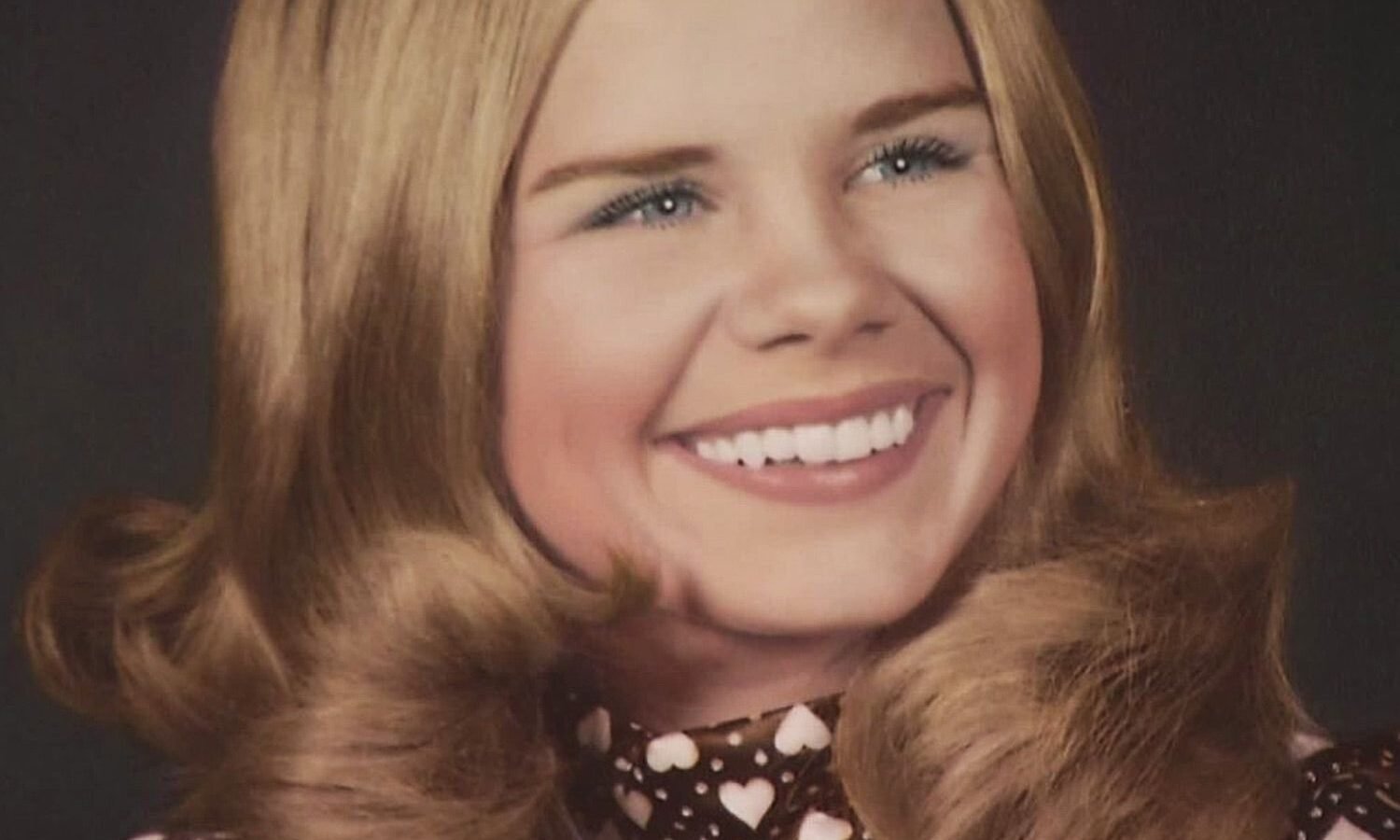
In the early hours of February 17, 1974, a 17-year-old cheerleader named Carla Walker was sitting in her boyfriend’s car outside a bowling alley in west Fort Worth, Texas, still wearing her powder-blue dress from the Valentine’s dance.
Minutes later she was gone. It would take 46 years, and a gun that was supposed to have been stolen, to find out who took her.
After the dance
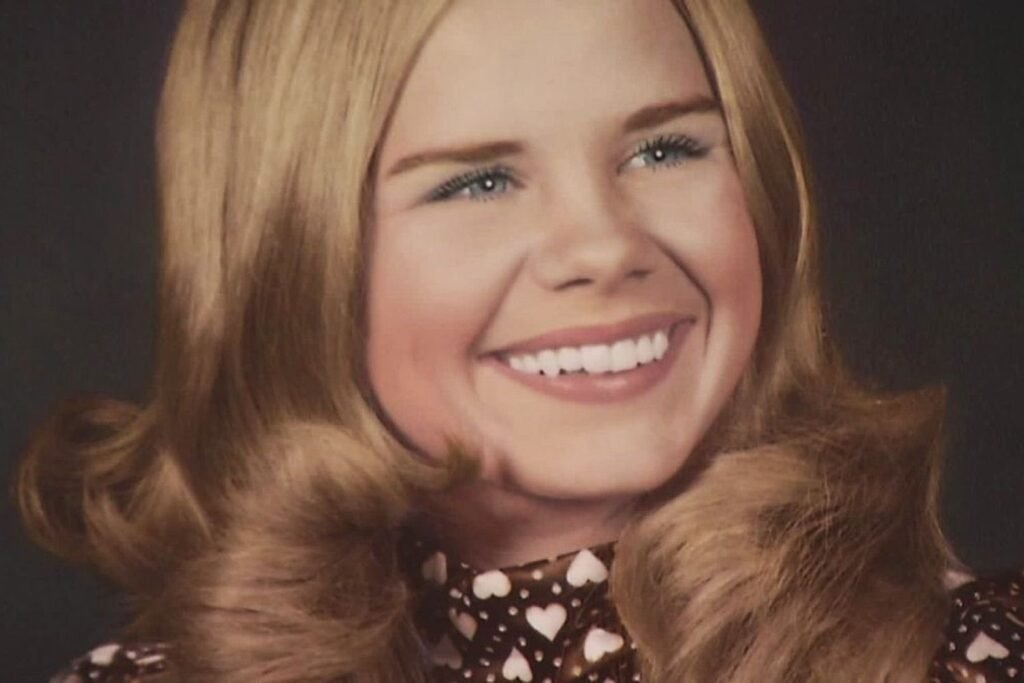
Carla was a junior at Western Hills High School. She was a cheerleader, small, blond and friendly with everyone. She was dating Rodney McCoy, the school’s quarterback, and she told friends she was sure they would marry one day.
On the evening of Saturday, February 16, Rodney picked her up at her family’s home in Benbrook, on the far west side of Fort Worth. He pinned a corsage to her dress and drove her to the school’s Valentine’s Day dance in a car he had borrowed from his mother, a Ford LTD.

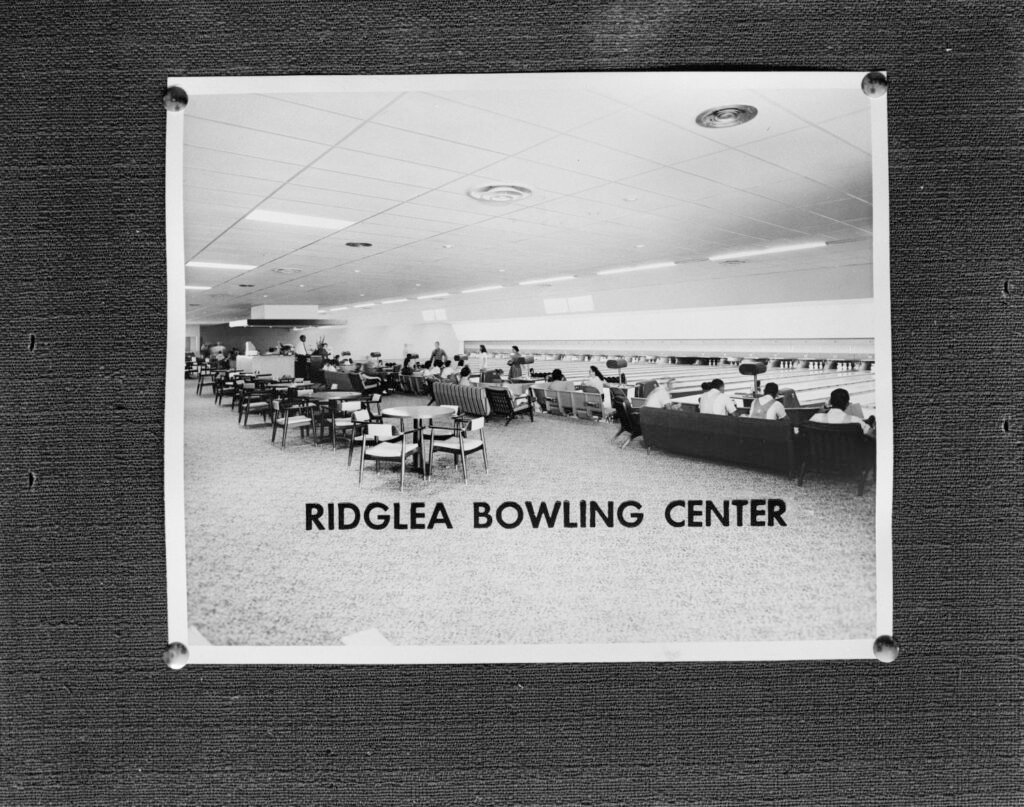
When the dance ended, the couple went cruising with another pair of friends and stopped at a couple of teen hangouts. After they dropped the other couple off, Rodney drove to Brunswick Ridglea Bowl, a bowling alley near Carla’s house, so she could use the bathroom. Afterwards they sat in the parked car and kissed.
Then the passenger door flew open.
A man began hitting Rodney over the head with the butt of a pistol. Carla begged him to stop. “Stop hitting him, stop hitting him, I’ll go with you,” she said, as Rodney later told it. The man dragged her out of the car.
The last thing Rodney heard before he blacked out was Carla’s voice. “Rodney, go get my dad.”
“They’ve got her”
Rodney came to in the driver’s seat around 1 a.m. He drove to the Walker house, less than a mile away, and pounded on the door with blood running down his face.
Carla’s father, a retired Air Force officer, grabbed his own pistol and raced to the bowling alley. There was no sign of his daughter. Police searched the parking lot and found two things: Carla’s purse, and the magazine from a .22-caliber Ruger pistol. It had fallen out of the attacker’s gun while he was beating Rodney.
Officers searched the city for days, some of them from helicopters.
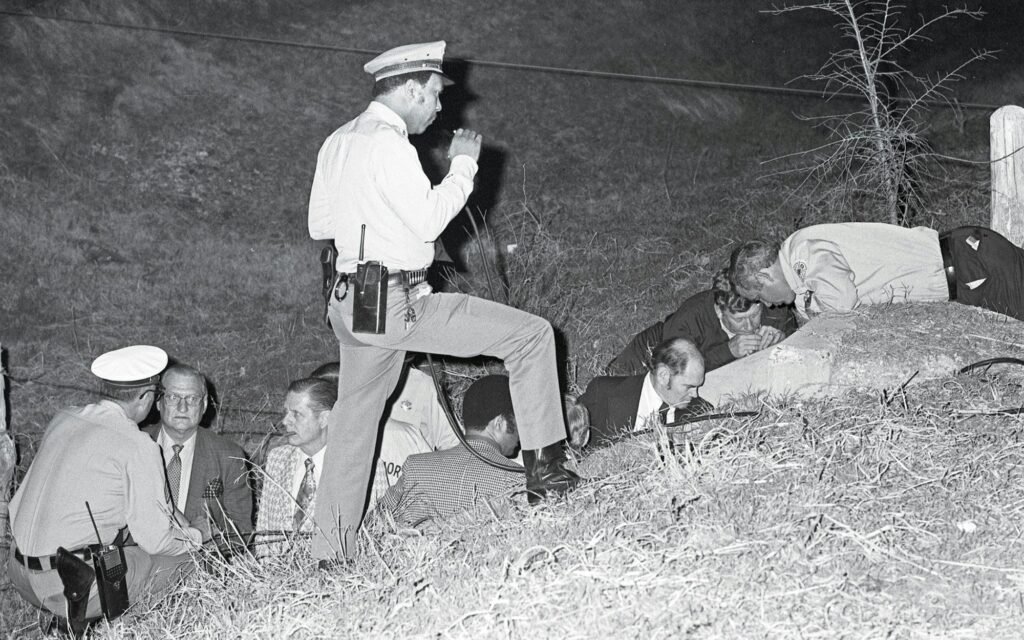
On February 20, two officers driving a quiet road near Benbrook Lake pulled over to look inside a concrete culvert under the road. Carla was inside. She had been strangled.
More than 1,250 people came to her funeral.
The Ruger list
Investigators had very little. A hypnotist helped Rodney remember one more detail: the man had worn a brown or tan cowboy hat. Detectives also kept Carla’s dress and the rest of her clothing in paper evidence bags. In 1974, nobody could get a name out of them.
The best lead was the magazine. It came from a newer-model .22 Ruger. Detectives asked the federal government for a list of people in the area who had bought that model, and set out to interview every one of them.
One name on the list was Glen Samuel McCurley.
He was 31, a truck driver with a wife and two young sons. He had served time for stealing cars as a teenager. He lived less than two miles from the bowling alley, and his wife had been out of town that weekend.
In the spring of 1974, detectives went to his house and asked about his Ruger. McCurley said it had been stolen from his pickup truck a few weeks earlier, while he was fishing. He agreed to take a polygraph test. He passed.
The detectives crossed him off the list.
“As much as it pains me to say this, we didn’t think about McCurley again,” one of the original detectives, Jim Minter, later told Texas Monthly.
Forty-six years
The case went cold. Men confessed and were ruled out; one was even indicted in 1978 before the charge was dropped. In 2019, police released an anonymous handwritten letter claiming to name the killer. It led nowhere.
Carla’s family never stopped. Her father kept tips in a metal box until he died in 1987. Her little brother, Jim, was 12 when she was killed. As a grown man he moved back into his parents’ house, partly, he said, in case the killer ever showed up at three in the morning to confess.
In 2018, Jim called the Fort Worth police cold case unit again. This time Detective Leah Wagner called him back. A year later, she was joined by Jay Bennett, a reserve officer who carried Carla’s two boxes of files home and read them through the night.
Testing the clothing again would cost money the unit didn’t have. Then the true-crime world stepped in. Producers for a show on the Oxygen network, hosted by cold-case investigator Paul Holes, offered to pay for new DNA testing.
A lab found a tiny stain on the strap of Carla’s bra. From it, technicians built a full male DNA profile for the first time. It matched nobody in the national criminal database.
The detectives sent what was left of the sample to Othram, a forensic genealogy lab in The Woodlands, Texas. On the morning of July 4, 2020, the lab’s CEO, David Mittelman, called Bennett.
“The last name is McCurley,” he said.
Bennett knew the name. It was in the 1974 file. Glen McCurley was the truck driver whose Ruger had been stolen.
The same story
McCurley was 77 now. He had never left west Fort Worth. He and his wife, Judy, had been married for more than 50 years. He went to church, did odd jobs for neighbors and had the same phone number for decades.
In July 2020, officers took items from the trash bin in front of his house. On September 4, the lab called: the DNA in his trash matched the DNA on Carla’s bra.
A few days later, Wagner and Bennett knocked on his door. Glen and Judy McCurley invited them in and chatted in the living room. Then Wagner explained that they had reopened a case from 1974, a girl kidnapped from a bowling alley.
“I know exactly which one you’re talking about,” Judy said. “Carla Walker.”
The detectives said police had talked to her husband back then. McCurley told them what he had told police in 1974. He didn’t kill anyone. He didn’t know Carla Walker. And his Ruger had been stolen.
Wagner asked for a DNA swab, explaining it was the easiest way to clear him. McCurley hesitated, then signed the consent form and opened his mouth.
His wife was watching. “I hope you find out who killed Carla,” Judy told the detectives. “That girl needs to be remembered as someone who mattered.”
Continue readingPage 2 of 2