Reader discretion: this story contains details of violence some readers may find distressing.
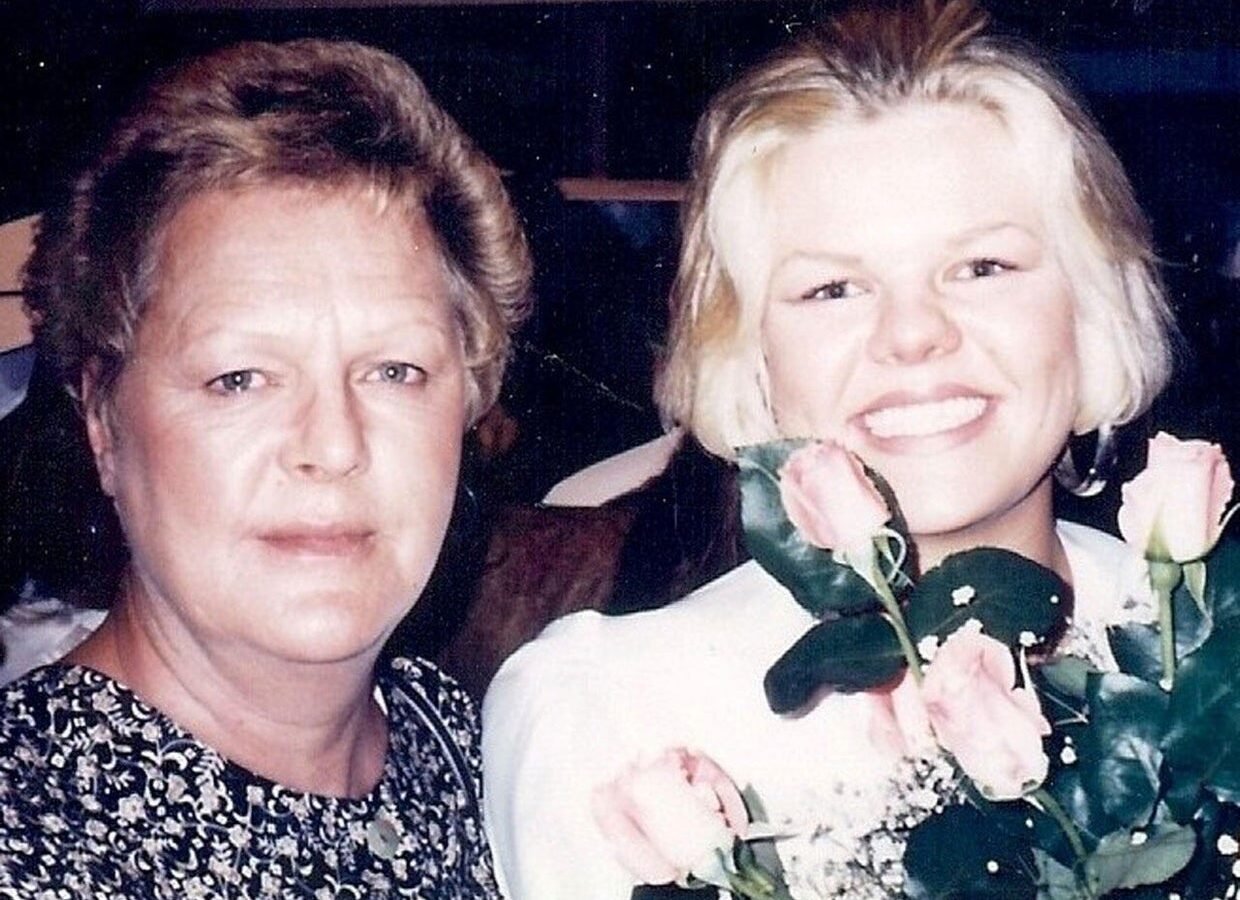
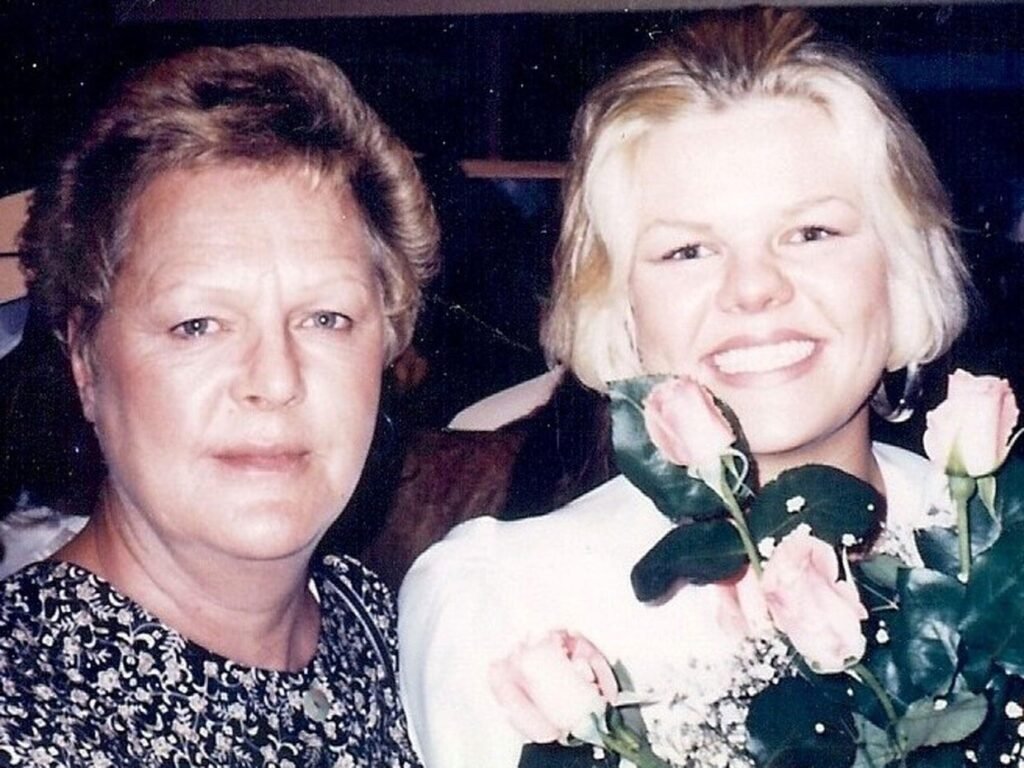
On the morning of June 13, 1996, Angie Dodge didn’t show up for work in Idaho Falls, Idaho.
That wasn’t like her. Two of her coworkers went to check on her at her apartment on I Street. She was 18, and she had moved in only weeks earlier. It was her first place of her own.
Inside, they found Angie dead.

She had been raped and stabbed. The night before, Angie had been at her mother’s house. It was the last time Carol Dodge saw her daughter alive.
One man’s DNA
The killer left evidence behind. Investigators collected semen and hairs at the scene, and testing showed they all came from the same unknown man.
That should have made the case simple. Find the man whose DNA matched, and you have the killer.
Detectives took DNA from Angie’s friends, from the young men she knew, from anyone who had been near her life. Over the years, they would test more than 100 men.
None of them matched.
The friend in Nevada
Months went by. Then a friend of Angie’s named Benjamin Hobbs was arrested in Nevada for a rape committed at knifepoint.
To Idaho Falls detectives, the similarity was hard to ignore. Hobbs became a suspect. He denied any involvement, his DNA did not match the scene, and he was never charged with Angie’s murder.
But the theory that Angie had been killed by someone in her circle of friends took hold. And detectives started looking hard at the young men around Hobbs.
The confession
One of them was Chris Tapp. He was 20 and part of the same circle of friends.
Tapp gave police a DNA sample. It did not match. He told them he knew nothing about the murder.
Detectives kept bringing him back. Over roughly three weeks in January 1997, he was questioned again and again and given polygraph test after polygraph test. Most of it was recorded on video.
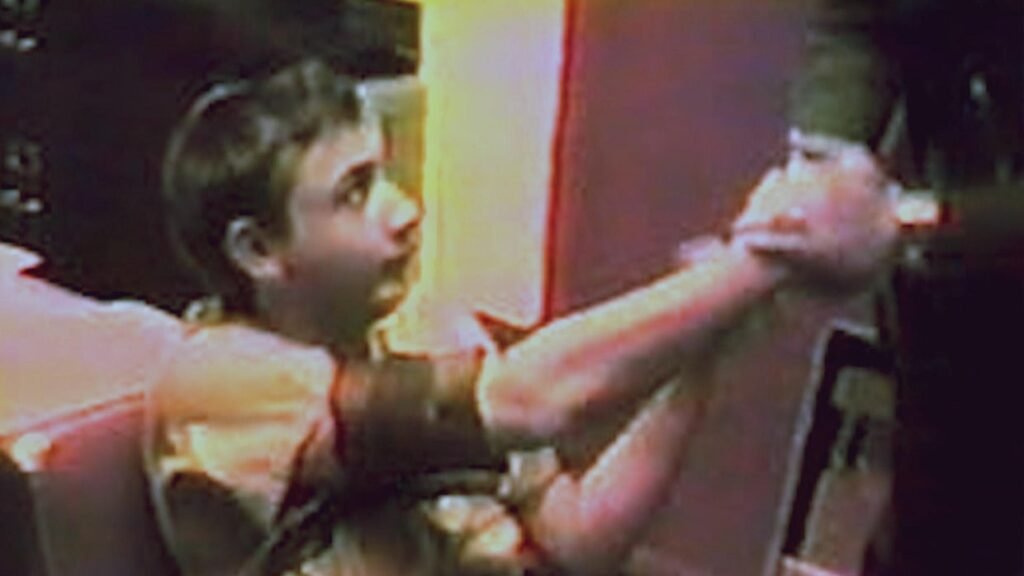
On the tapes, a detective warned him that he could take the fall, and could face the death penalty, unless he told them what Hobbs had done.
Tapp’s story changed. Then it changed again. In the end, he said he had been in the apartment that night, and that Hobbs and a third man had attacked Angie.
There was a problem. Neither Tapp’s DNA nor Hobbs’s matched what was found on Angie. So detectives decided the DNA must belong to the third man, someone they had not identified yet.
Tapp was charged with murder and rape.
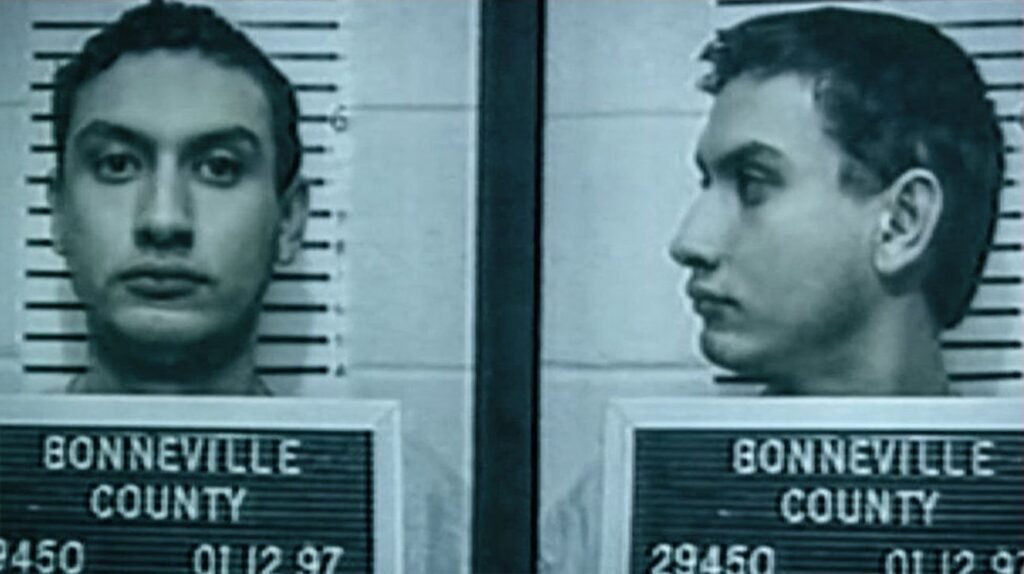
In May 1998, a jury convicted him. There was no physical evidence putting him in Angie’s apartment. The case rested on his own words. He was sentenced to 30 years to life in prison.
A mother’s doubt
Carol Dodge had believed the police. Tapp later said that for years, she thought he was “the devil.”
But one question would not leave her alone. If Tapp had been there, why was the only DNA in that apartment from a man nobody could name?
In 2008, she got copies of the recordings of Tapp’s interrogations and watched them. All of them, about 60 hours.
What she saw shook her. On the tapes, Tapp seemed confused about where Angie’s apartment even was, and about what it looked like inside. Details seemed to come from the detectives first, and only then out of his mouth. Experts who later studied the tapes reached the same conclusion: police had fed him much of his story.
By the end, she was convinced. “Chris Tapp [was] not there,” she concluded.
She contacted Tapp’s appeal lawyer. She brought in DNA experts. She pushed the police to try every new testing method that came along. The mother of the victim had become the loudest voice saying the wrong man was in prison.
The wrong family
Her push for new DNA science led to a painful detour. In 2014, a familial search of a genealogy database pointed police to a New Orleans filmmaker named Michael Usry Jr. A full DNA test cleared him. He had nothing to do with the case.
In 2017, the Idaho Falls Police Department tried something else. A Virginia company called Parabon NanoLabs used the killer’s DNA to predict what he might look like. Police released the result: a computer-generated face of a young man of northern European ancestry.
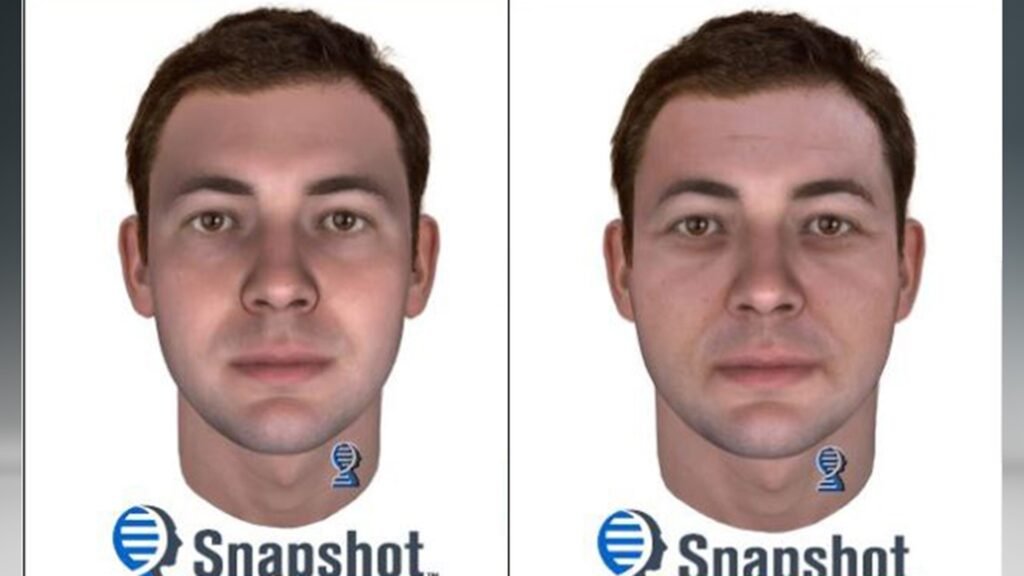
That same year, under growing public pressure, prosecutors offered Tapp a deal. His rape conviction was thrown out, and he was resentenced for the murder to 20 years, time he had already served. In March 2017, after about 20 years behind bars, Chris Tapp walked out of prison. But he was still, on paper, a murderer.
The seventh name
In November 2018, Carol and the police turned to CeCe Moore, a genetic genealogist working with Parabon.
Moore uploaded the killer’s DNA profile to GEDmatch, a public database where people share their DNA results to find relatives. She found distant cousins of the killer and built their family trees back through the generations, looking for a branch that led to a man who could have been in Idaho Falls in 1996.
She came up with six candidates. Detectives quietly collected DNA from the most likely one, a man living in Twin Falls. It did not match.
Moore kept digging. She found a man who had married young and divorced. A son had been born shortly after the split, and he grew up with his stepfather’s last name. That is why he had not shown up in her search.
His name was Brian Leigh Dripps Sr.
Across the street
When detectives searched old records for Dripps, they found him already sitting in the history of the case.
Continue readingPage 2 of 2