Reader discretion: this story contains details of violence some readers may find distressing.
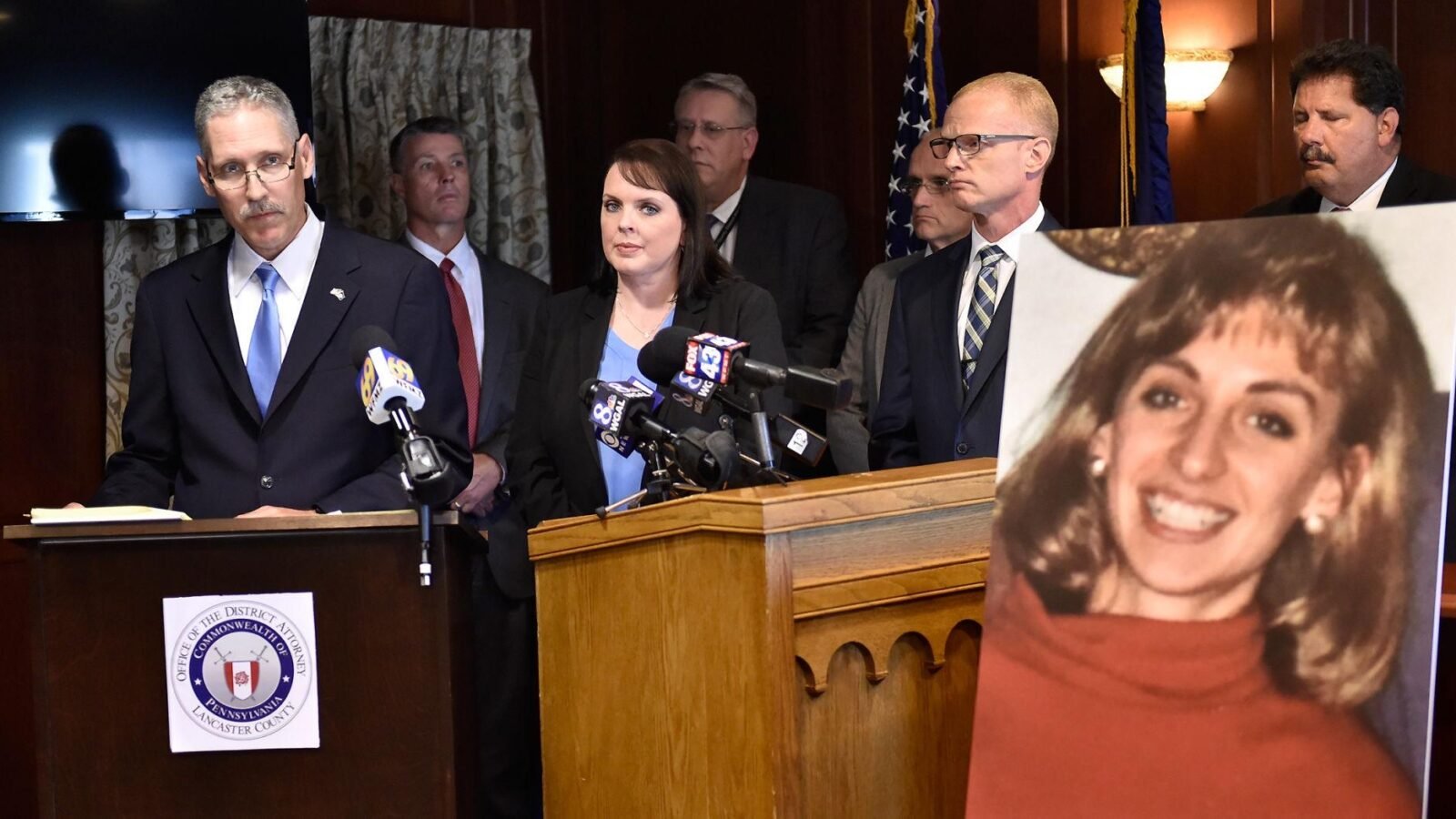
On Monday morning, December 21, 1992, the sixth graders at Rohrerstown Elementary School in Lancaster County, Pennsylvania, sat waiting for their teacher.
Miss Mirack never came.
Christy Mirack was 25. Her principal was worried enough to go to her home in East Lampeter Township to look for her.
The front door was open.
Christy was on the floor inside. She was dead.
Getting ready for work
Investigators worked out what had happened that morning. Someone had come into Christy’s home while she was getting ready for work. She had been beaten, sexually assaulted and strangled. Then the man had shut the door and walked away.
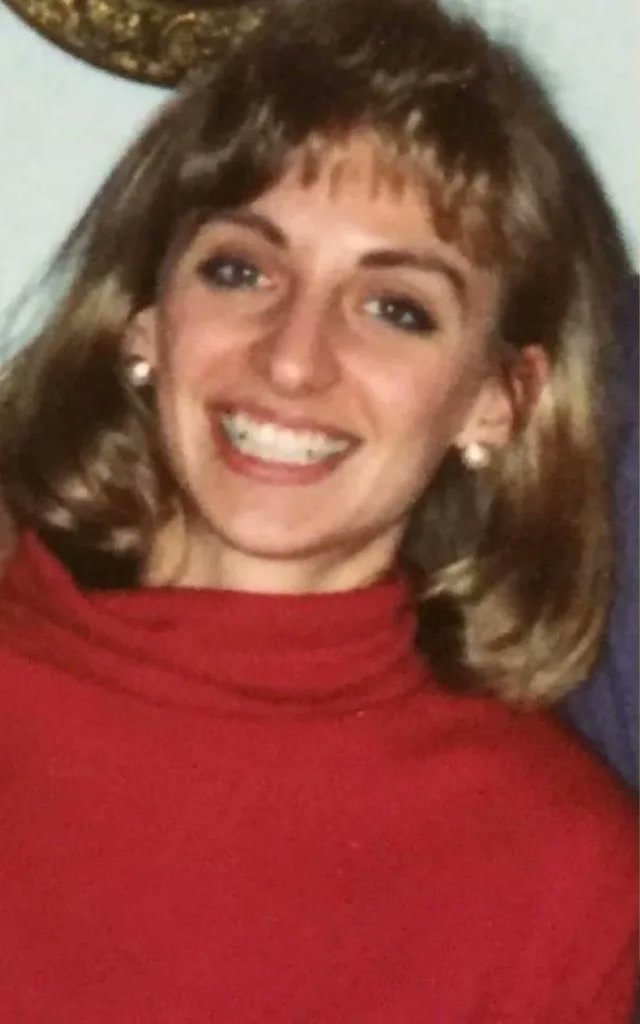
Christy came from Northumberland County, in central Pennsylvania. She left behind her parents and her brother, Vince.
There was no obvious suspect. Nothing suggested she had known her attacker. But the man had left something behind: his DNA.
In 1992, that meant less than it would later. As DNA databases grew over the years, the profile was checked against them. It never matched anyone.
A face from DNA
Detectives in Lancaster County never closed the case. Then they tried something that barely existed when she died.
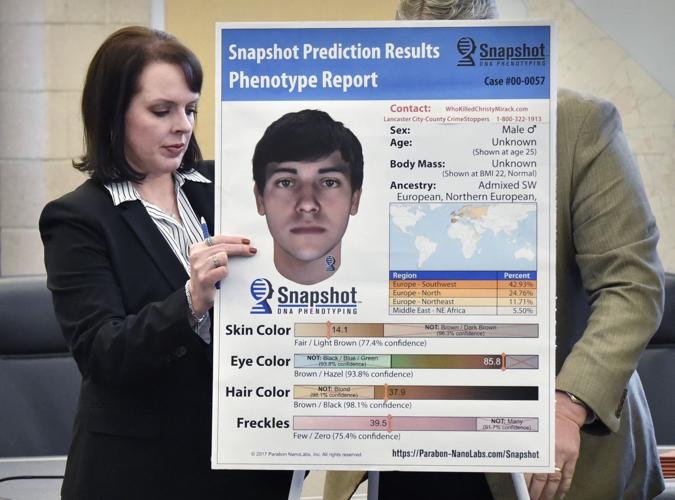
A Virginia company called Parabon NanoLabs could take a DNA sample and predict what its owner probably looked like: skin color, eye color, hair color, freckles, the rough shape of a face. Lancaster County released the computer-generated face of Christy’s killer to the public.
Dozens of tips came in. None of them named the right man.
The family tree
In 2018, Lancaster County District Attorney Craig Stedman’s office went back to Parabon with a different idea.
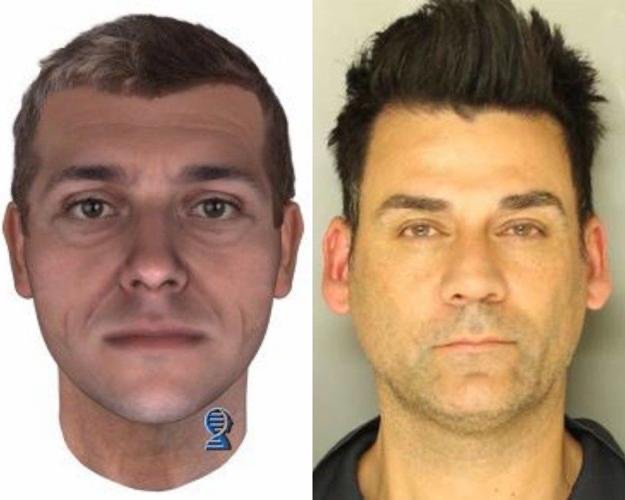
By then, hundreds of thousands of ordinary people had uploaded their own DNA results to public genealogy websites, hoping to find long-lost cousins. A few months earlier, the same method had cracked the Golden State Killer case in California.
A genetic genealogist compared the DNA from Christy’s home with the profiles in a public database. It found a close relative of the killer, a woman. The work was led by the genetic genealogist CeCe Moore, working with Parabon. Within weeks, investigators had a name. Working through that family tree, investigators narrowed it to one man.
He had lived about four miles from Christy in 1992. He had worked at a business down the street from where she lived and would likely have driven past her home hundreds of times. On the day of the murder, investigators had found a ticket in Christy’s home to the Chameleon Club in Lancaster, a nightclub where this man played music every Friday night.
His name was Raymond Charles Rowe. He was 49.
And in Lancaster, a lot of people knew him.
Continue readingPage 2 of 2