Reader discretion: this story contains details of violence some readers may find distressing.
At about 2 a.m. on Saturday, May 25, 1996, two students walking home from a party near Cal Poly in San Luis Obispo, California, found a young woman passed out on a neighbor’s lawn.
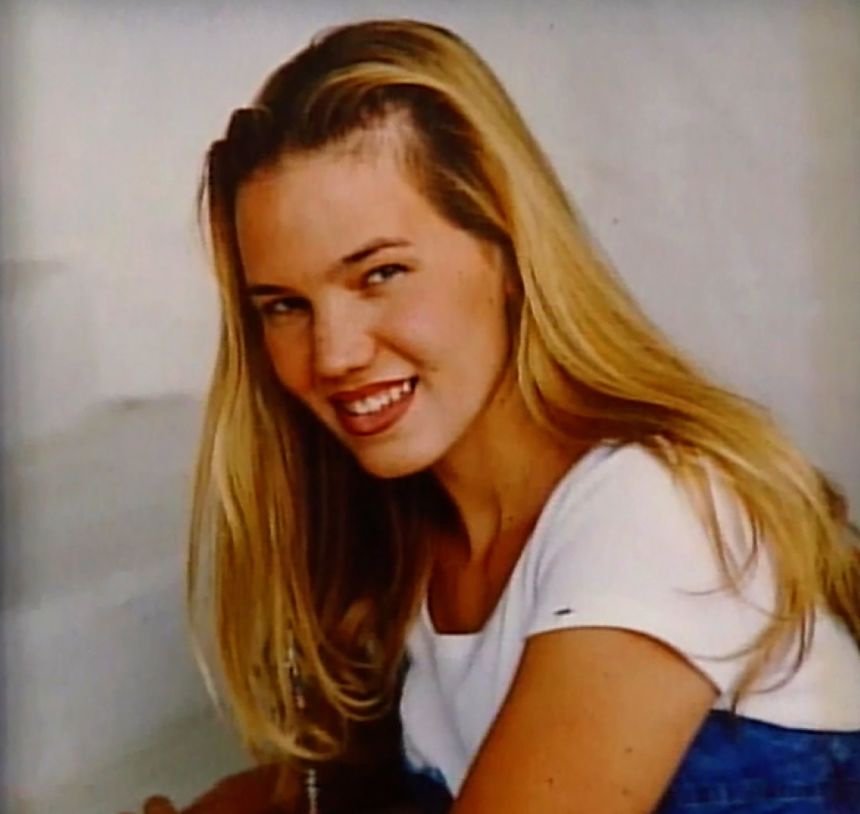
It was Memorial Day weekend. The girl on the grass was Kristin Smart, a 19-year-old freshman. She was tall and blonde, and she had gone to the party alone.
The two students, Cheryl Anderson and Tim Davis, got her on her feet. Then a third student came over and offered to help. He said he would make sure Kristin got home safely.
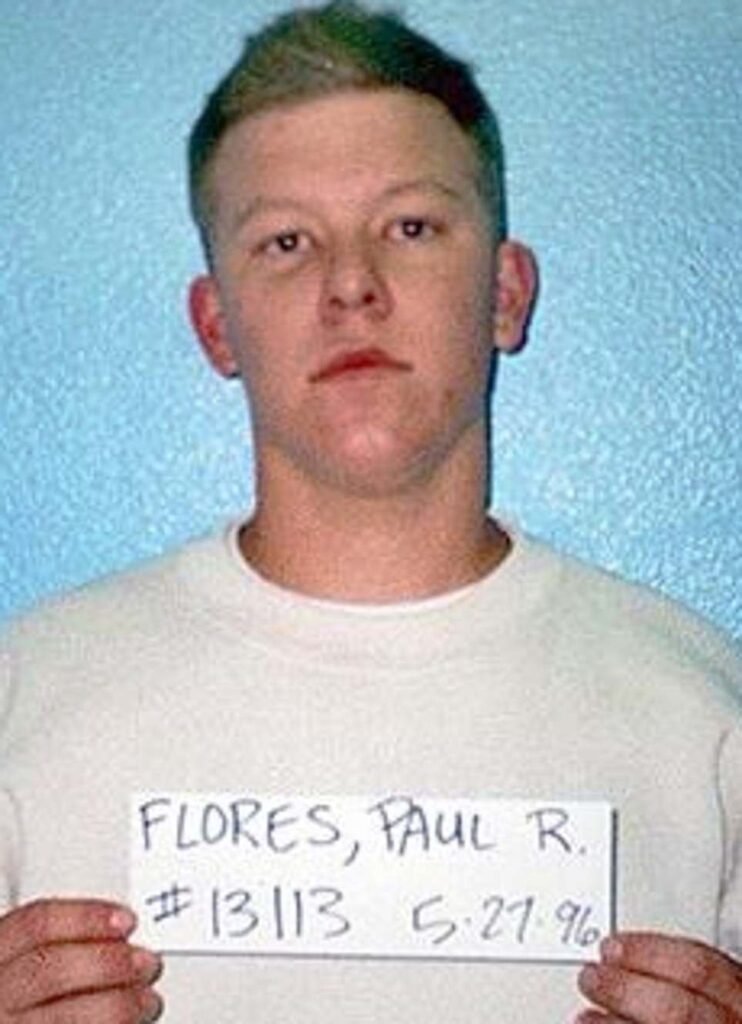
His name was Paul Flores. He was 19, a freshman like her.
The three of them walked her back toward the dorms. Davis had driven to the party and left first. Anderson turned off toward her own dorm after Flores told her he could walk Kristin the rest of the way. That left Kristin alone with Paul Flores.
Nobody has seen Kristin Smart since.
“She was not one to give up”
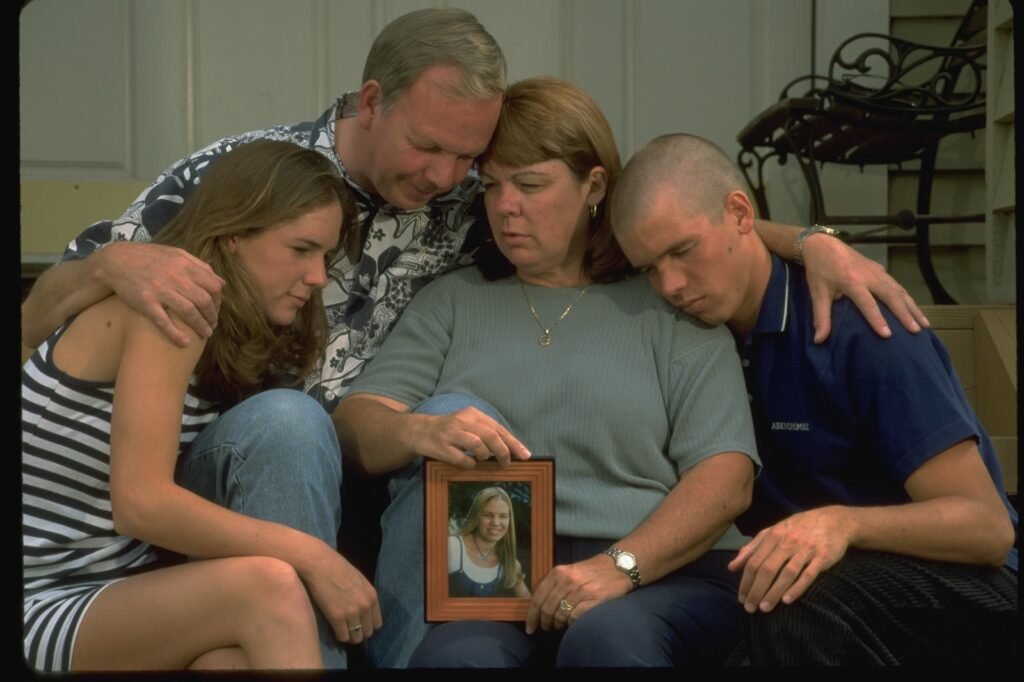
Kristin was born on February 20, 1977. She was born in Germany and grew up in Stockton, California, where she graduated from high school in 1995. Her parents, Stan and Denise, had raised her with a brother and a sister.
When she did not turn up, campus police at first thought she might have gone off on an unannounced trip. Her family called police, but she was not formally reported missing for about a week. Her parents drove down and searched on their own. Stan Smart put up flyers all over town and led his own search parties through the hills and lakes around San Luis Obispo.
They would spend the next 26 years looking for her.
The black eye
Paul Flores told police he had walked Kristin as far as his own dorm, Santa Lucia Hall. He said she walked on alone toward her dorm, Muir Hall, and that was the last he saw of her.
When investigators sat down with him in the days that followed, they noticed his face. He had a black eye, and scrapes and bruises on his knee.
He said he got the black eye playing basketball with friends. His friends said that never happened. Later he told a different story, that he had hit his head while working on his car. The campus police chief told reporters at the time that Flores’s account of the night had changed.
Shortly after his first interviews, Flores hired a lawyer and stopped cooperating.
In June 1996, weeks after Kristin vanished, investigators brought cadaver dogs onto campus. Several dogs, trained to smell human decomposition, alerted in Flores’s dorm room. Two of the dogs alerted on his bed.
That turned a missing-person case into a criminal one. Flores was named a person of interest. He was called before a grand jury.
But there was no body, no crime scene and no witness who had seen what happened after the walk home. Prosecutors did not believe they could prove a murder.
So nobody was charged. Not that year, not that decade. In 2002, Kristin was declared legally dead.
Billboards on the 101
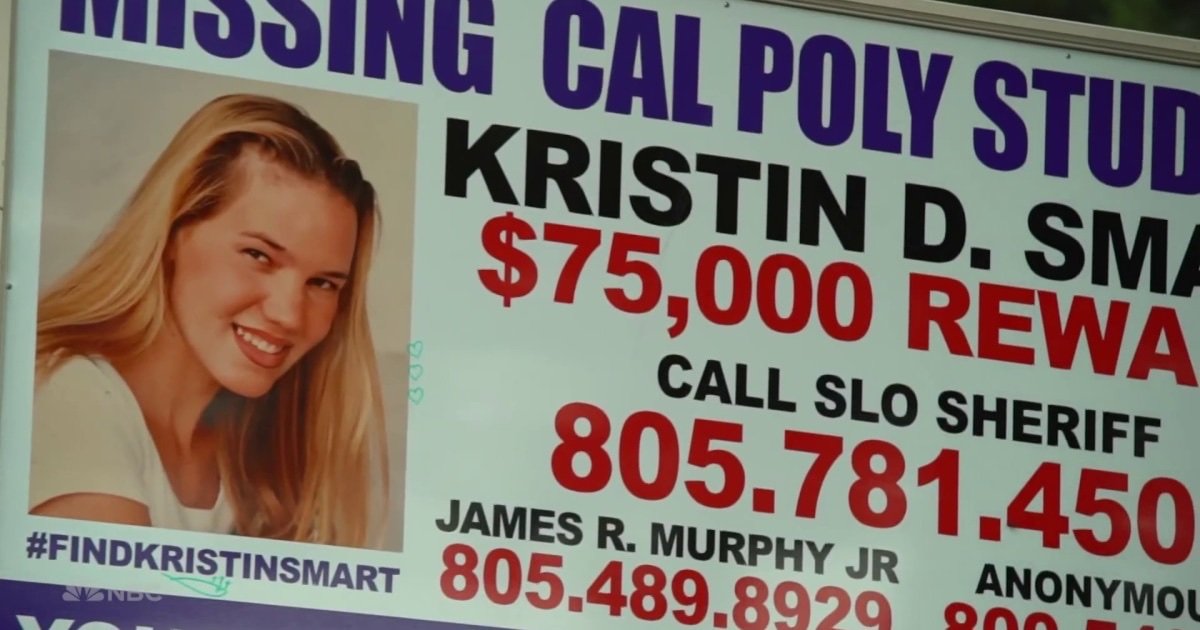
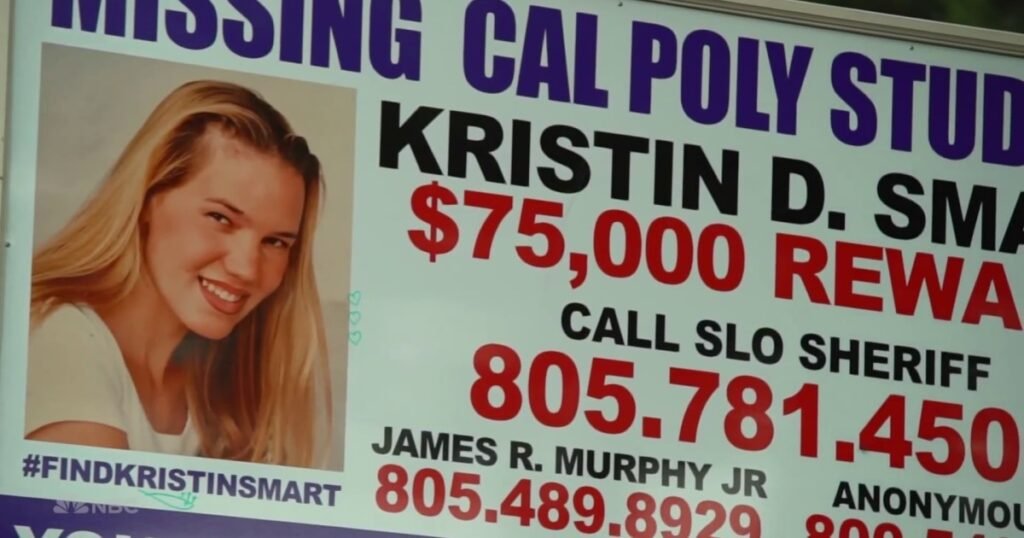
Stan and Denise Smart never stopped. Billboards with Kristin’s smiling face went up along Highway 101, offering a reward to anyone who knew where she was. Searches came and went. In 2016, investigators dug on a hillside on the Cal Poly campus. They did not find her.
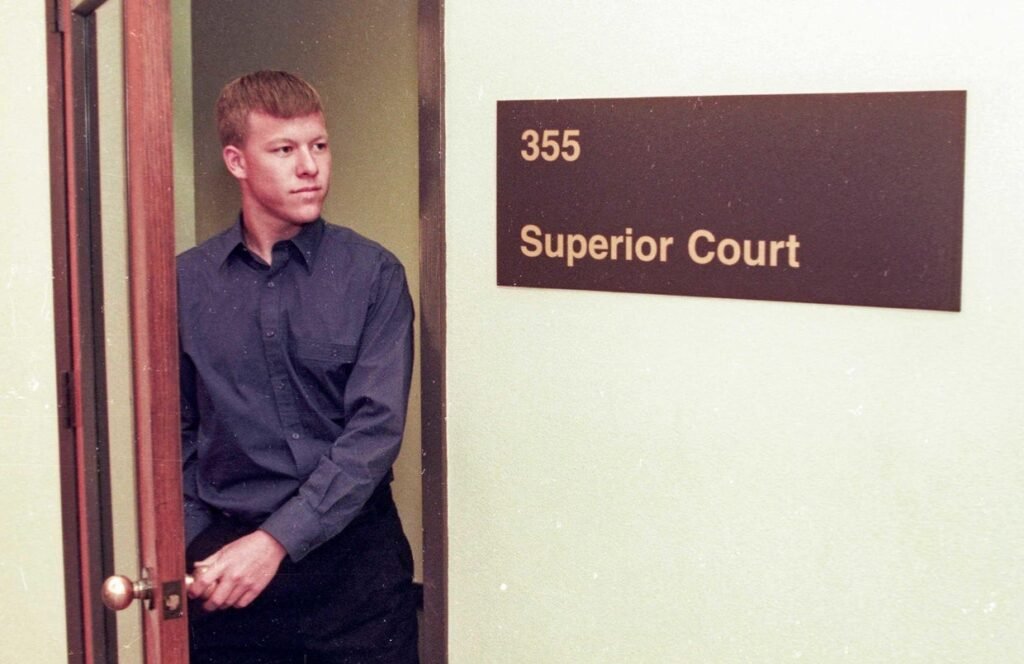
Paul Flores moved on. He settled in the Los Angeles area. He lived his life for 23 years.
Then, in 2019, a man who had grown up in the area started paying attention.
The podcast
Chris Lambert had driven past Kristin’s billboard for years. In his first episode, he said it had been a quiet reminder that she still had not been found. After reading a Los Angeles Times article on the case, he realized he lived near many of the places in it.
He began retracing Kristin’s last steps. He interviewed her family. He talked to investigators who had worked the case for years. On September 30, 2019, he released the first episode of a podcast he called Your Own Backyard.
It took off. It would be downloaded tens of millions of times. Kristin’s name was back in the news.
And people who had kept something to themselves for a very long time started to come forward.
One of them was a woman named Jennifer Hudson. In 1996, when she was 17, she had been at a gathering at a backyard skate ramp in Huasna, a rural area near Arroyo Grande. Paul Flores was there. She later testified that he talked about Kristin that day. In her account, he spoke about her in crude, angry terms and said she was buried “under my ramp in Huasna.” She said he looked “cold” and “really pale.”
She had been terrified to go to police. In 2002 she told a friend, who later passed on an anonymous tip for her. Years later, she told her story on the Your Own Backyard podcast, she said, to help police find Kristin.
Investigators were moving too. The sheriff’s office got a warrant to monitor Paul Flores’s phone and messages. In February 2020, detectives served search warrants at his home near Los Angeles and at the homes of his sister, his mother and his father. In April 2020, they searched his house again and took away what they called items of interest.
But they still had no body.
Then they turned to the house where Paul Flores grew up.
The house on the dead-end street
Ruben Flores, Paul’s father, lived in a large house on a dead-end street in Arroyo Grande, about 12 miles south of the Cal Poly campus.
In March 2021, detectives arrived with a search warrant, archaeologists, cadaver dogs and ground-penetrating radar.
They went to the back of the house, to the space under the deck, behind a wooden lattice. They put up a blue tent over it and started to work.
Continue readingPage 2 of 2