DJ Freez
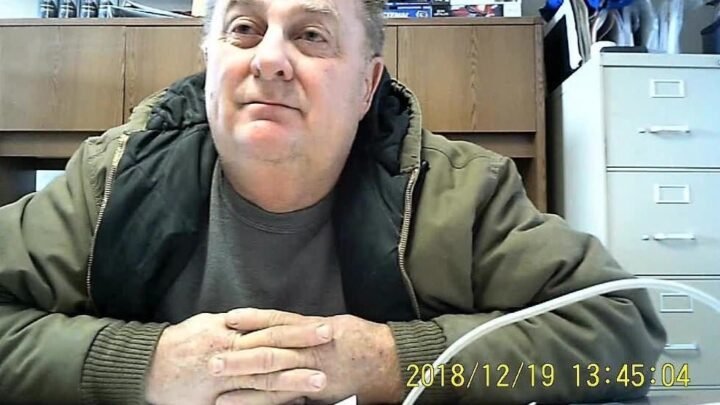
Raymond Rowe was DJ Freez.
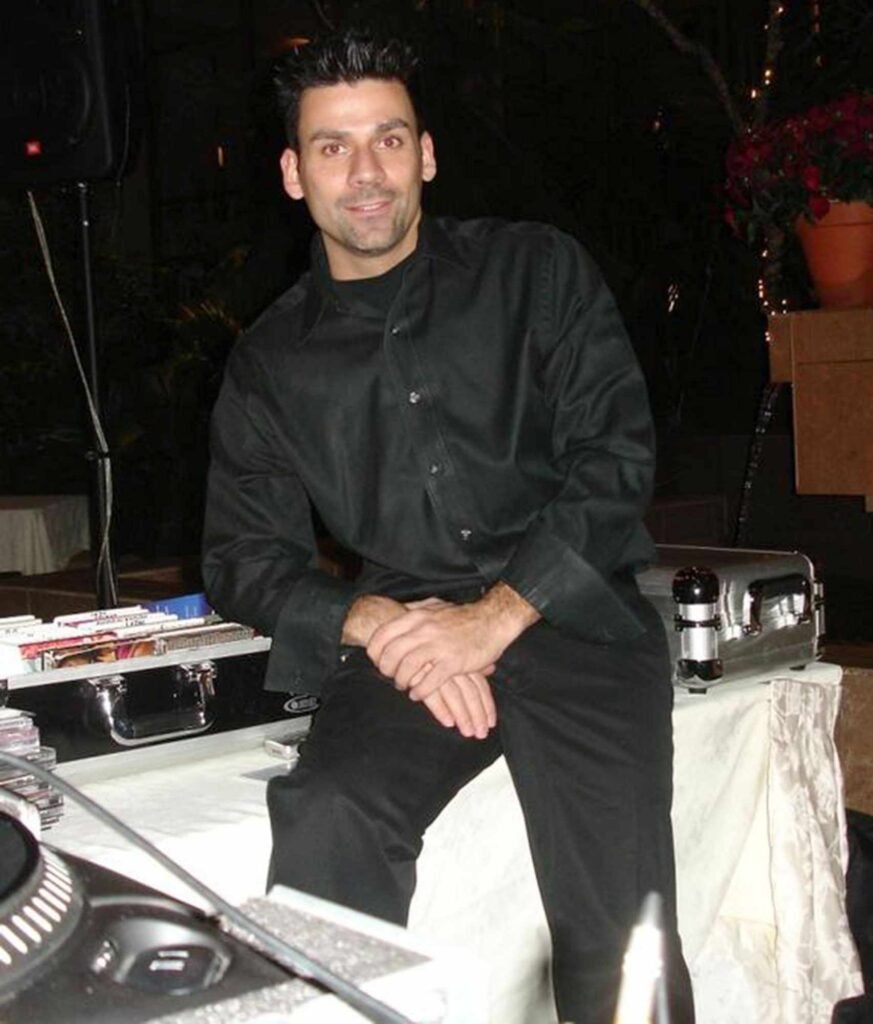
He had been a break dancer in the 1980s, then won local DJ battles and hosted dance parties at the Chameleon Club. He ran a business playing weddings and high school proms all over central Pennsylvania. He did radio. When he played his 100th wedding, he waived the couple’s fee. Competitors called him an upstanding guy.
He also worked constantly with children. “I love working with kids,” he had told the local paper in the 1990s. Four months before Christy was killed, he had been the DJ at a “Stop the Violence” event in downtown Lancaster.
A family tree is not proof. To arrest him, detectives needed his own DNA.
The gum
In May 2018, Rowe was booked to work an event at an elementary school.
An undercover team went too. They watched him. When he threw away a water bottle and a piece of chewing gum, they collected them.
The state police lab tested both. The DNA on the gum and the bottle matched the DNA left in Christy Mirack’s home in 1992.
On June 25, 2018, Raymond Rowe was arrested and charged with her murder.
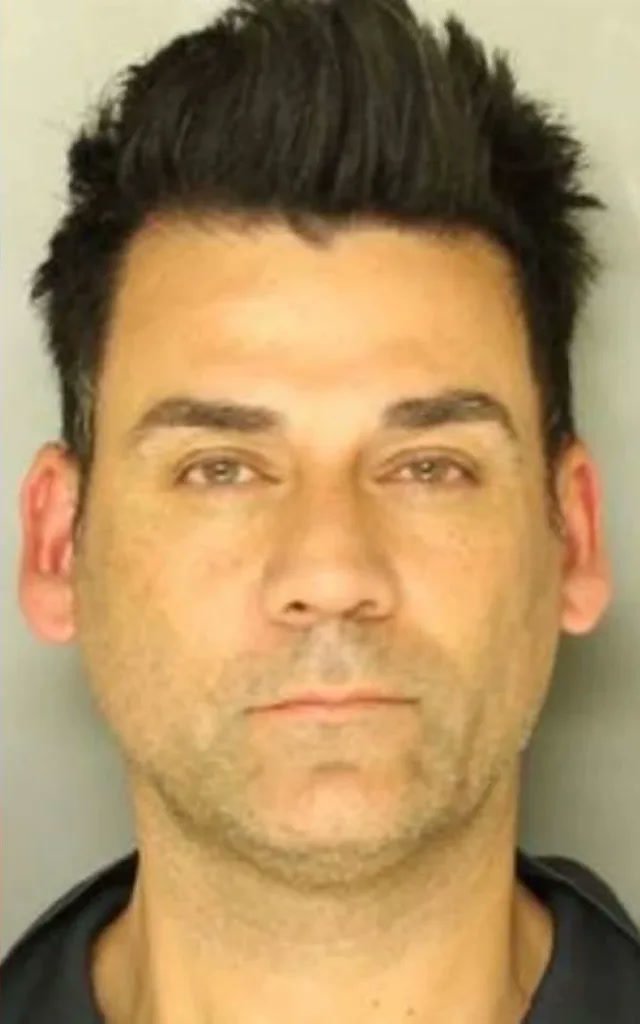
It was the first case in Pennsylvania, and one of the first in the country, to be solved through genetic genealogy.
His clients were stunned. One woman had hired him for her daughter’s wedding that very Saturday.
Why?
District Attorney Stedman said the evidence was overwhelming, and that he would seek the death penalty.
But nobody could explain why. Investigators could not prove Rowe and Christy had ever met. Stedman had his theories. Christy and her roommate used to sunbathe facing the street that Rowe drove down every day. She sometimes went to places where he worked as a DJ.
“He left her sexually assaulted and dead on the floor, strangled to death and shut the door and walked back into his life and he stayed there for 26 years, until we caught him,” Stedman said.
The plea
In January 2019, Raymond Rowe walked into a Lancaster County courtroom full of Christy’s friends and family and pleaded guilty to first-degree murder, rape and other charges. In exchange, prosecutors took the death penalty off the table.
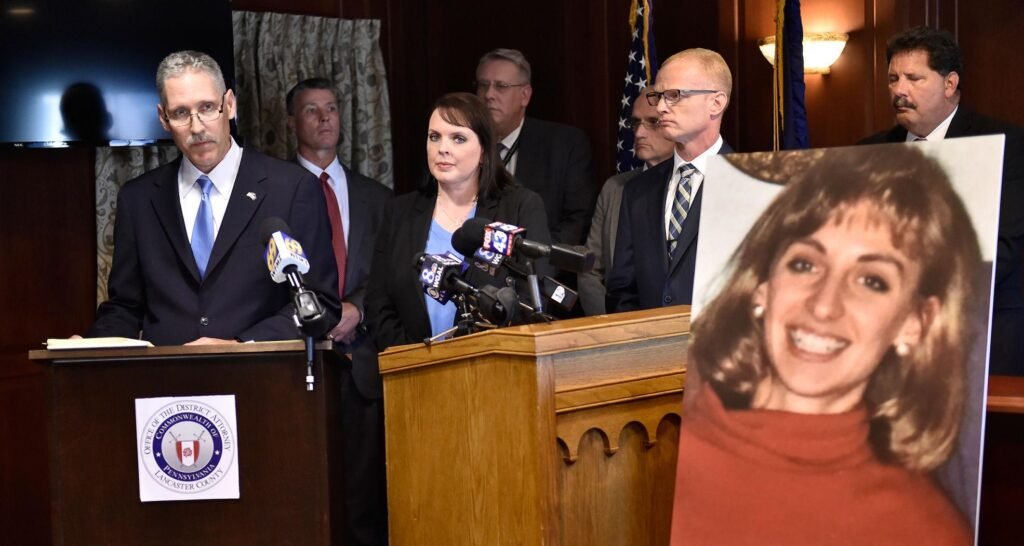
Christy’s brother Vince was in tears as he spoke to the man who killed his sister. He asked him one thing: “Why?”
“You took away our joy,” he said. “Most of all, you took away our Christy.”
Rowe offered no reason. “I’m sorry. I can’t imagine what you are going through. I apologize,” he said. His own lawyer told reporters he had admitted to many people that he was the killer.
He was sentenced to life in prison without parole, plus 60 to 120 years for the other crimes.
“He’s a rapist and murderer and a burglar and he’s going to spend the rest of his life in jail,” Stedman said. He had walked free for longer than Christy had been alive.
A change of story
It did not end there.
In August 2021, Rowe went back to court and told a judge he had lied when he pleaded guilty. He now claimed that he and Christy had been in a relationship, and that someone else had killed her. He asked for new DNA testing.
A Lancaster County judge denied the request in 2022, ruling that he could have asked for those tests before he pleaded guilty. A state appeals court agreed in 2023. In August 2025, the Pennsylvania Supreme Court sent his request for DNA testing back to the appeals court to be considered again under a new ruling. His guilty plea and his life sentence still stand.

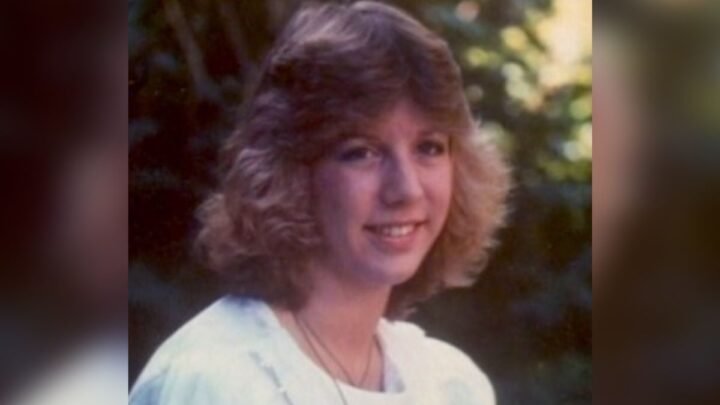
Christy Mirack was 25. She was getting ready for work, four days before Christmas.
For more than 25 years, the man who killed her played music for brides, for prom kids and for children. In the end, he was caught at an elementary school, by a piece of gum he never thought twice about throwing away.