Reader discretion: this story contains details of violence some readers may find distressing.
On the evening of Friday, March 25, 1988, a Wyoming Highway Patrol trooper pulled over a small black car for speeding outside Douglas, Wyoming.
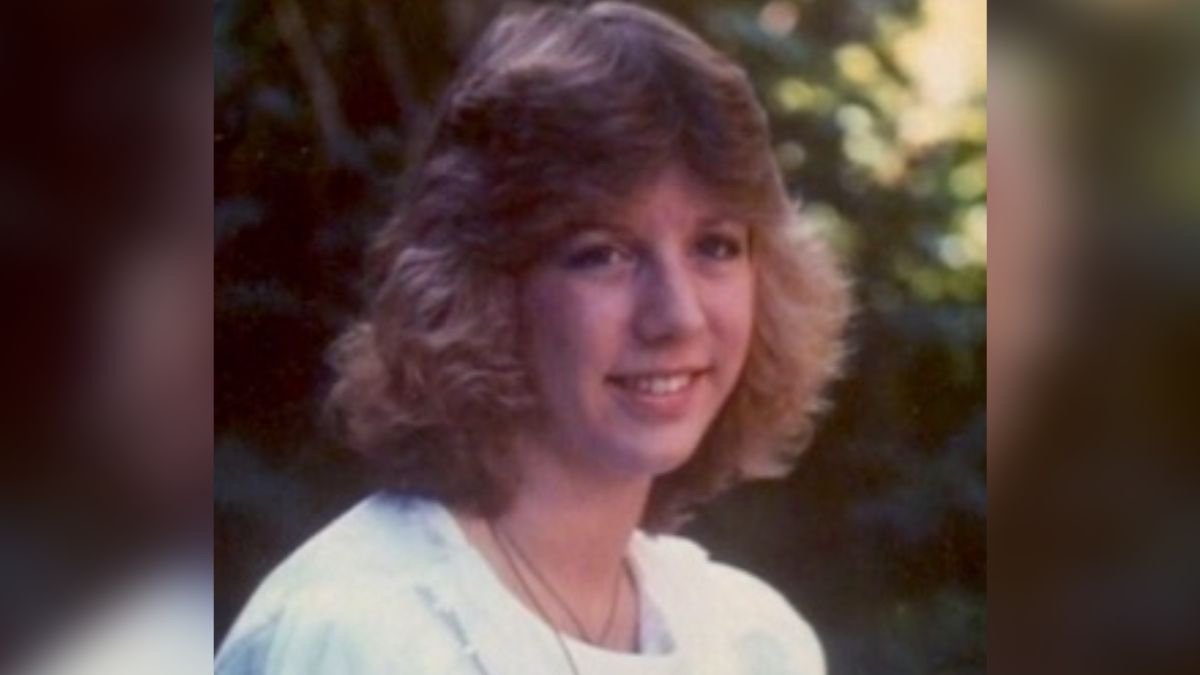
It was 9:06 p.m. The driver was a girl of 18 with feathered brown hair. Her name was Lisa Marie Kimmell, and she was on her way from Denver to her parents’ home in Billings, Montana.
The trooper let her go. She drove off north into the dark.
That stop is the last time anyone can say for certain that they saw Lisa alive.
Lil’ Miss
Lisa was born on July 18, 1969, in Covington, Tennessee. Her family later settled in Billings, Montana.

She drove a black 1988 Honda CRX, a sporty little two-seater. Its Montana plates were personalized. They read LIL MISS.
Those plates would become the most famous detail of the case. For 14 years, police and her family would look for that car.
She never reached Billings. Her family reported her missing on March 26. There was one possible sighting, at a grocery store in Casper at around 10 p.m., but it was never confirmed.
The river
On April 2, 1988, eight days after the traffic stop, Lisa’s body was found in the North Platte River near Casper, not far from the old Government Bridge.
Investigators pieced together what they could. She had been held captive for days, about six. Then she had been taken to the bridge, killed, and put into the river. The medical examiner found she had been sexually assaulted. The killer had left his DNA behind, but in 1988 there was no national database to compare it to.
Her car was not there. It was not anywhere.
Police searched. Her parents, Ron and Sheila Kimmell, made posters and gave interviews. Her case went national on Unsolved Mysteries. Later it was featured on A&E’s Cold Case Files. Tips came in, and none of them led to the car or to the man who had taken her.
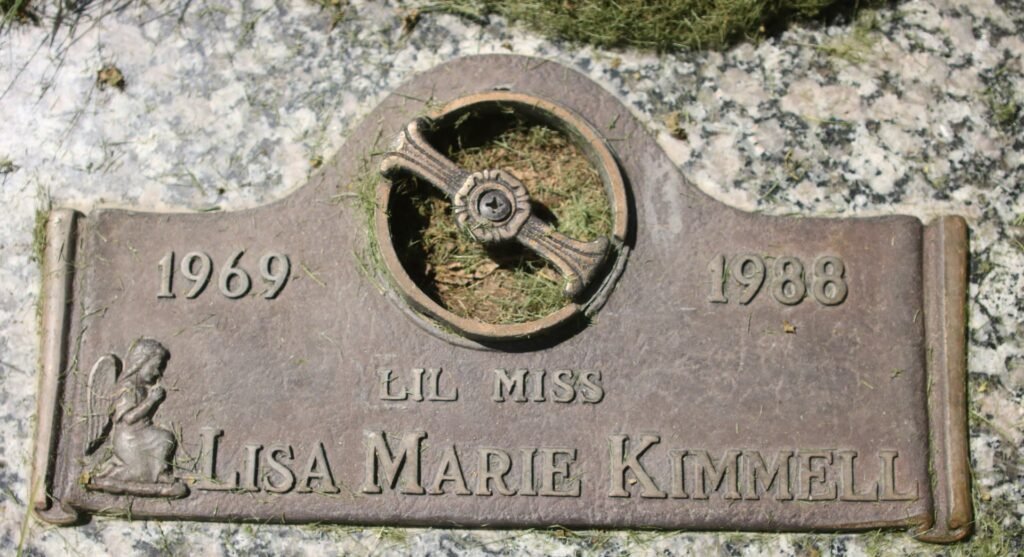
When the family buried Lisa, they put two words on her grave marker under the dates: LIL MISS.
Then the years went by. One year. Five. Ten. Sheila Kimmell kept giving interviews and kept her daughter’s face in front of the public. The case went cold.
A match
In the summer of 2002, investigators took another look at the evidence from Lisa’s body. DNA testing had changed completely since 1988. A lab developed a full profile of the man who had attacked her and ran it through CODIS, the national DNA database.
This time, it came back with a name.
Dale Wayne Eaton was 57. He was sitting in a federal prison in Littleton, Colorado, on an unrelated weapons charge. His DNA was in the database because of what he had done in 1997.
That year, near Rock Springs, Wyoming, he had stopped to help a young family whose car had broken down: a husband, a wife and their five-month-old baby. Then he pulled a gun on them. The family fought back and got away. Eaton fled and was later found hiding in the Shoshone National Forest, with a weapon. That made his crime a federal one, and as a federal prisoner he had to give a DNA sample.
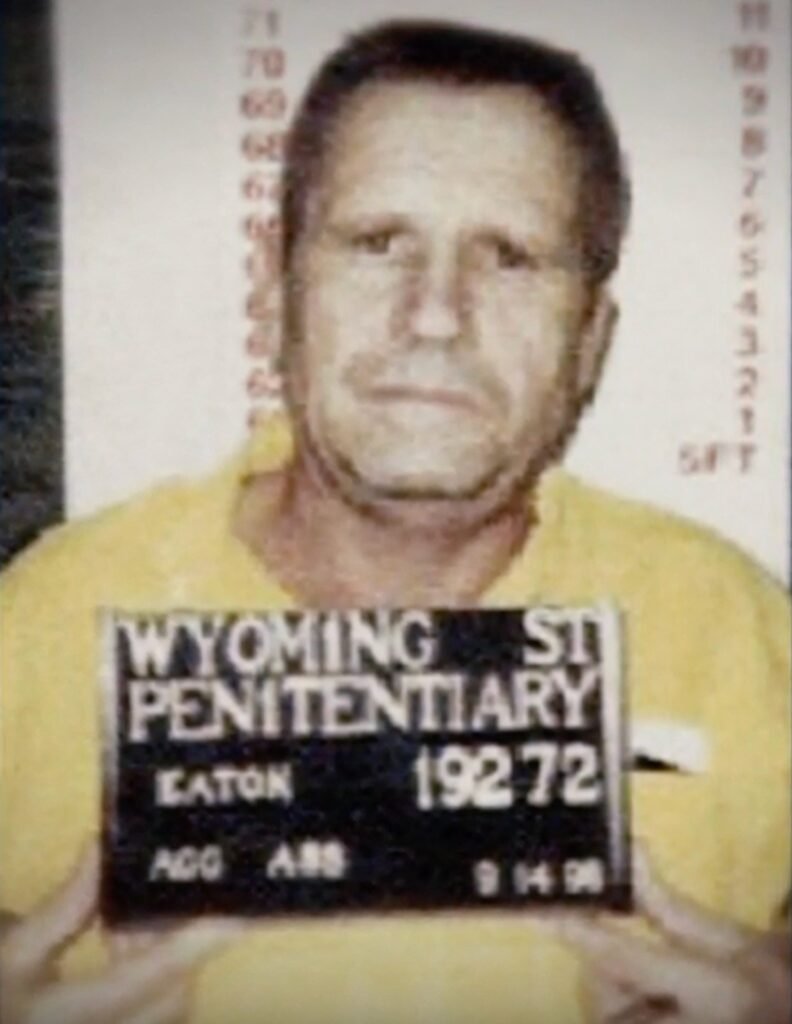
Eaton had lived for years on a scrap of land in Moneta, Wyoming, a near-empty spot on the highway about 80 miles northwest of Casper.
Nobody had ever connected him to Lisa Kimmell. Now investigators had a match. What they did not have was the car, or any idea where she had been kept for those six days.
They got a warrant for his property in Moneta.
On July 29, 2002, investigators drove out into the sagebrush with shovels and a backhoe, and they started to dig.
Continue readingPage 2 of 2