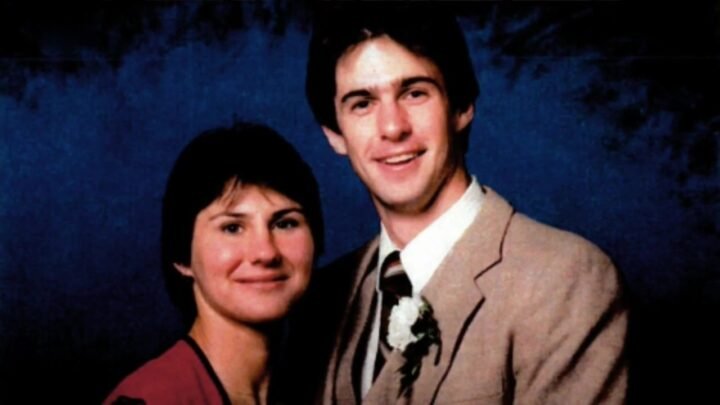
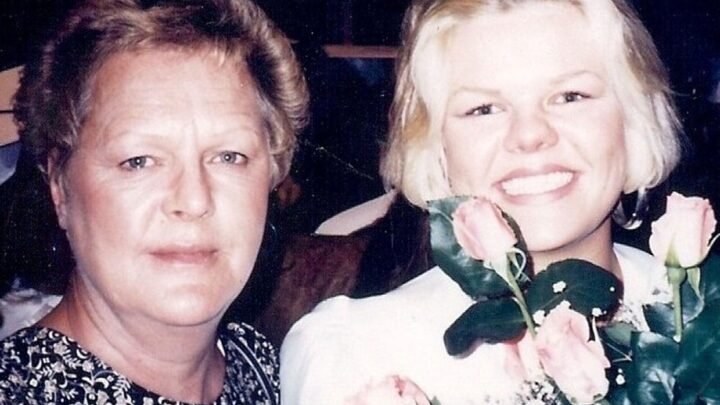
The coconut
It was not a coconut.
“I picked up the coconut object, and it ended up being the top portion of her skull,” Aaron would tell a jury. “I had it in my hand. Looked back in the hole and you could see teeth.”
He set it back in the hole. For a moment, he and his brother-in-law did not even know whether to call 911.
They did. Jacksonville Sheriff’s Office investigators took over the backyard and dug out what was under the old shower.
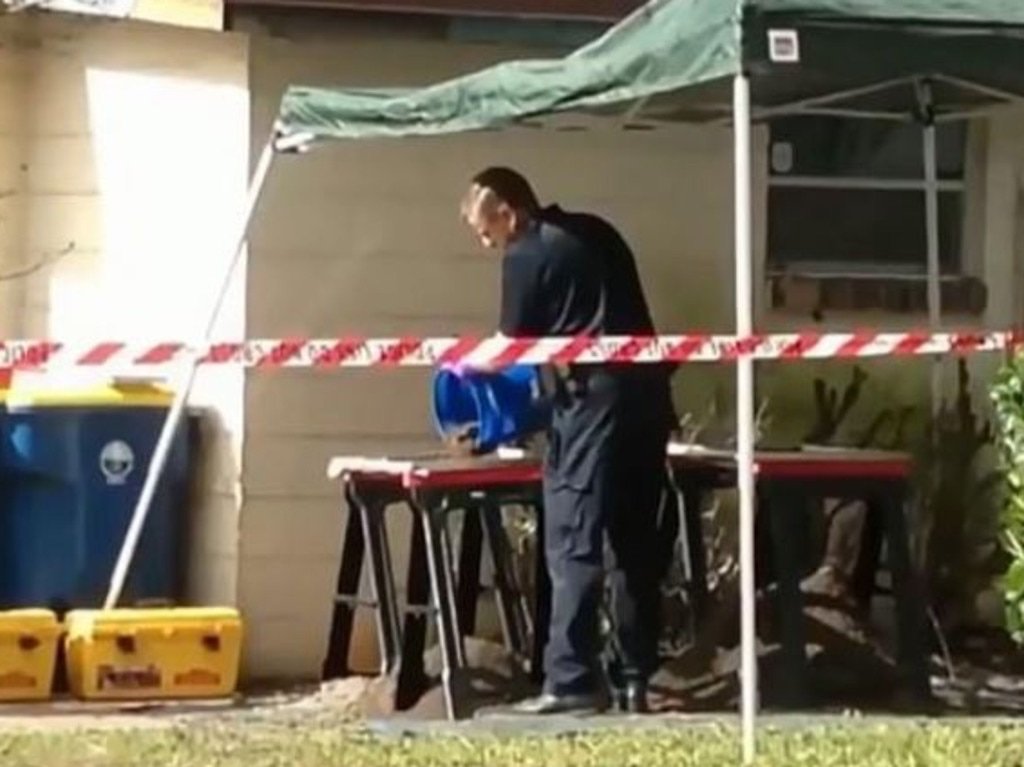
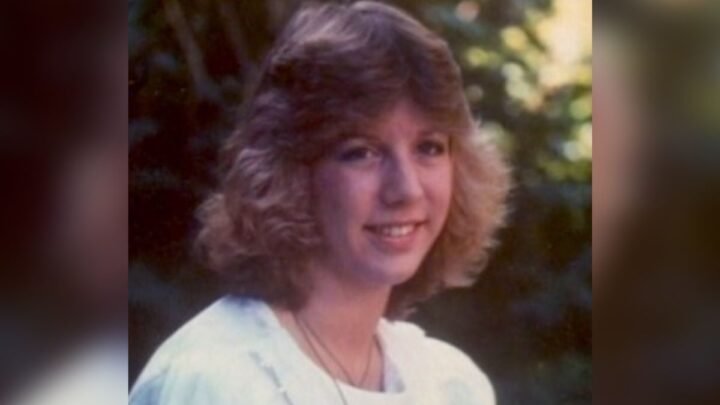
DNA testing confirmed what Aaron already knew. It was his mother. Bonnie Haim had been in the backyard the entire time: through every police search, through the TV interview, through all the years the house was rented out with a lease that said no digging.
The medical examiner could not determine exactly how she died, but ruled her death a homicide. A forensic anthropologist found a small, round defect on her hip bone that looked like a gunshot wound. And in the dirt taken from the grave, investigators found a fired .22-caliber shell casing.
It was the same caliber as the rifle Michael Haim had owned in 1993.
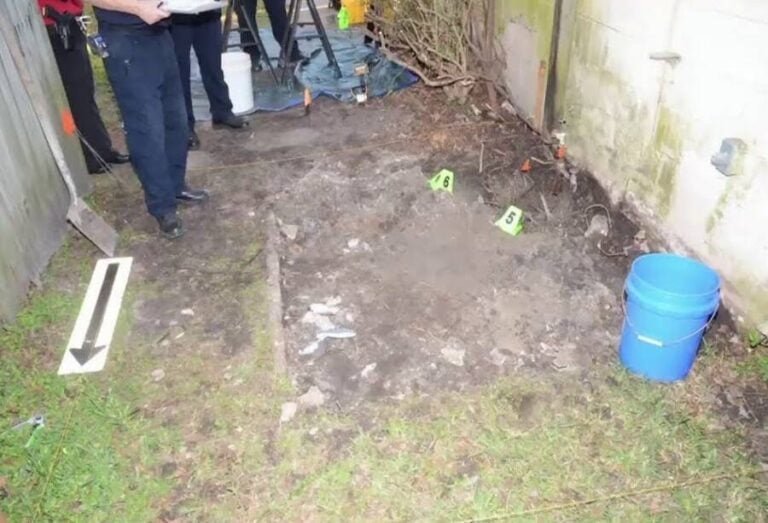
“That was the piece of the puzzle that we really felt we were missing,” a Jacksonville Sheriff’s Office director said in 2015.
The arrest
By then, Michael Haim had moved to North Carolina. On August 24, 2015, he was arrested and charged with murder.
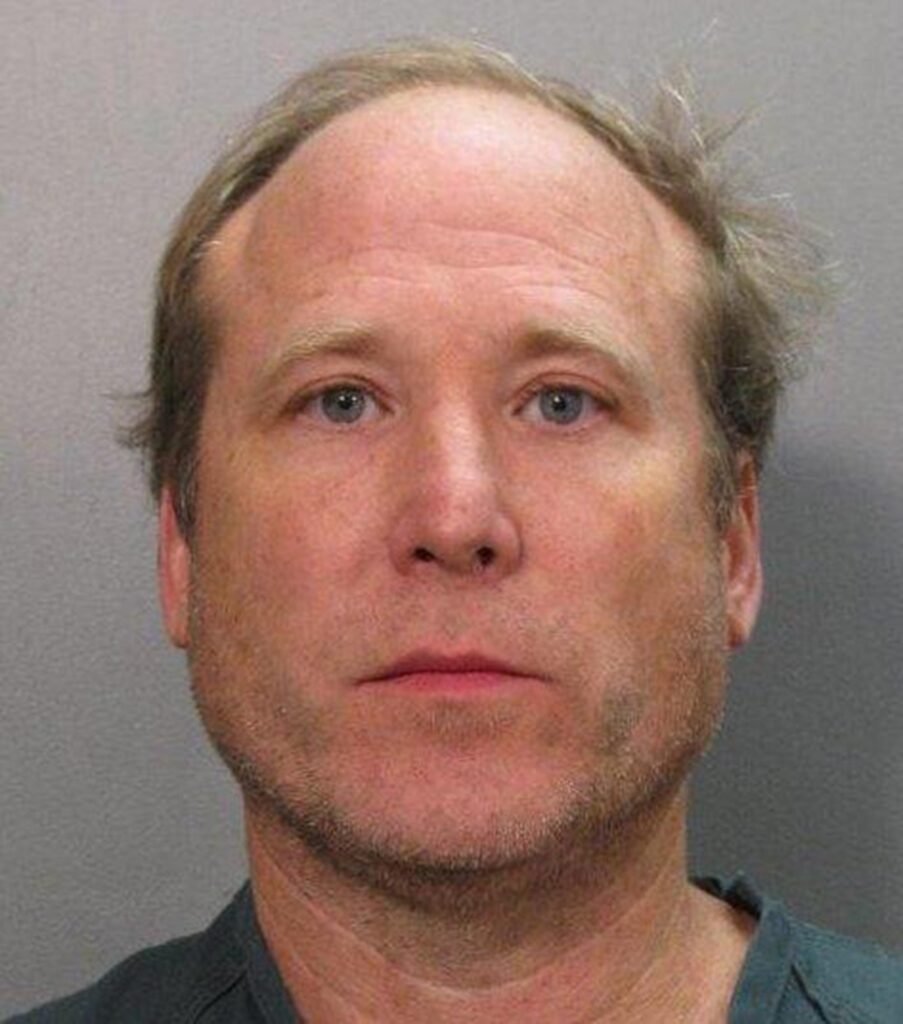
For Aaron, the arrest brought relief. It didn’t last. Four months later, his father bonded out of jail. Aaron told the court he slept with a brick under his pillow.
“I was the one person on this planet that had knowledge of what he had done,” he said, “and could stand in the way of his liberty.”
The trial
The trial opened in Jacksonville in April 2019, 26 years after Bonnie disappeared.
The defense did not argue about the bones. “We agree she’s dead. We agree that’s her body in the backyard,” his lawyer told the jury. “But they have to prove to you that he did it.”
Aaron took the stand and described lifting his mother’s skull out of the dirt. Brenda Medders, the child protection worker, testified that the 3-year-old had told her his father hurt his mother. Two men who had shared a jail cell with Michael Haim testified that he told them he choked his wife and buried her in the yard.
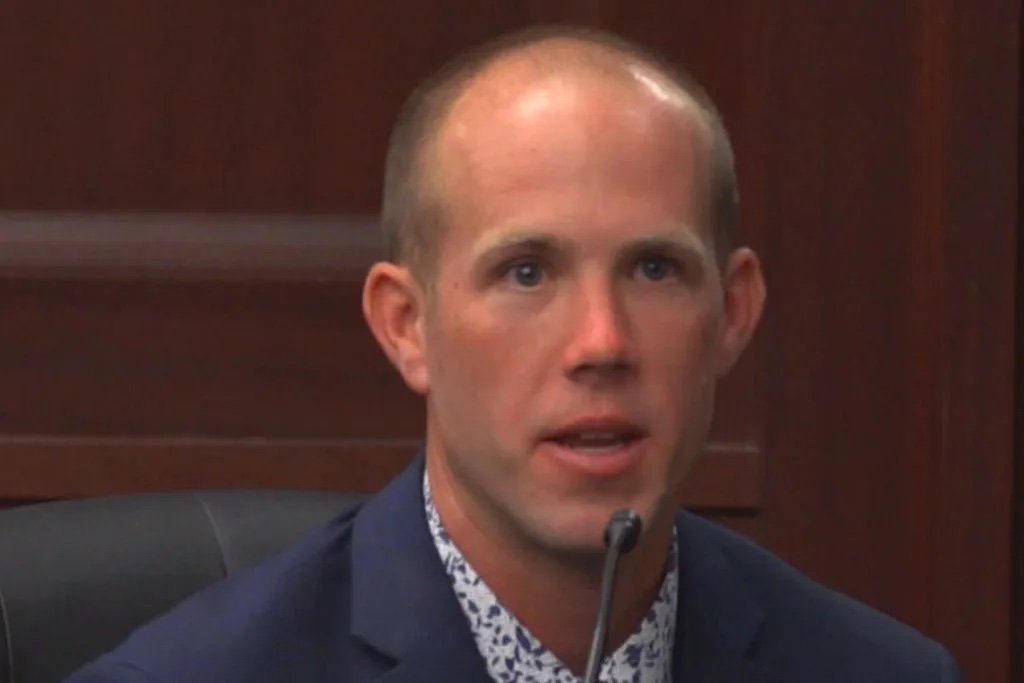
Then, to almost everyone’s surprise, Michael Haim testified too. He said Bonnie had been unhappy for a month or two and “wasn’t her bubbly self.” He said she left, and that he searched for her. Asked whether he felt at all responsible for her murder, he said: “No.”
“He shouldn’t benefit from doing such a good job of burying her that she wasn’t found until a quarter-century later,” prosecutor Mac Heavener told the jury.
On April 12, 2019, after a short deliberation, the six jurors found Michael Haim guilty of second-degree murder. They also found that he had killed Bonnie in the presence of their son.
Life
Under the 1993 sentencing guidelines, Haim faced 7 to 22 years. Bonnie’s family asked for at least 26, one year for every year he had walked free.
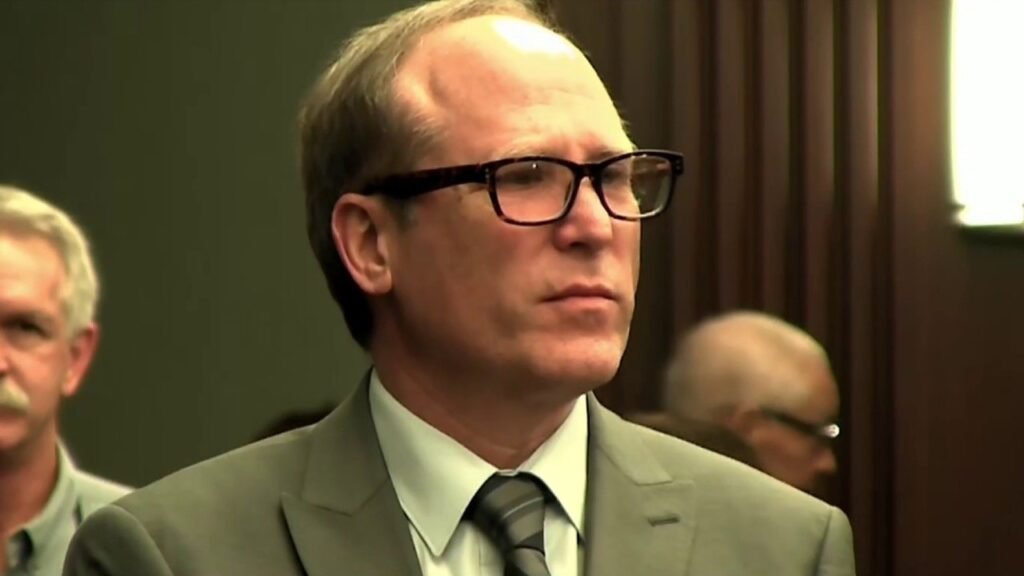
On May 21, 2019, Circuit Judge Steven Whittington gave him life in prison. It was one day after what would have been Bonnie’s 50th birthday.
“While he remained free, our safety was always in question,” her sister, Liz Peak, said. “Now, our family can focus on healing.”
In 2021, a Florida appeals court upheld the conviction and the life sentence. Michael Haim has never confessed and never apologized.
Before his father was sentenced, prosecutors played a slideshow of Bonnie’s life for the court. It ended with a short home video from the Christmas before she died. In it, Bonnie looks into the camera while her little boy hugs her.
It is one of the only memories of his mother that Aaron has left. The other is the morning he found her.