The gun above the door
On September 16, 2020, the result came back. The DNA from McCurley’s cheek matched the DNA on Carla’s bra strap.
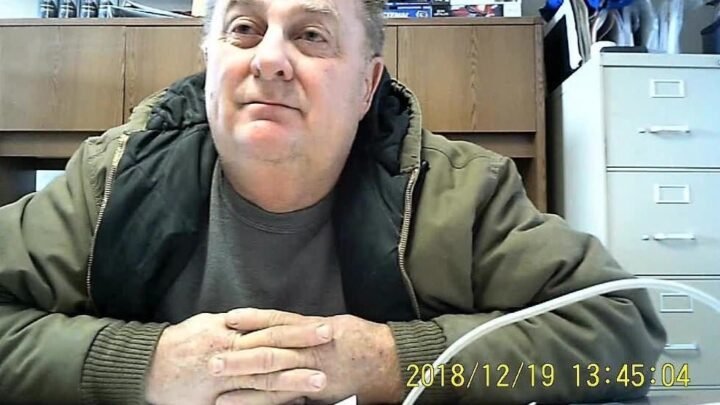
On the afternoon of September 21, a U.S. Marshals task force surrounded his small tan house. When McCurley opened the door, he was told he was under arrest for capital murder.
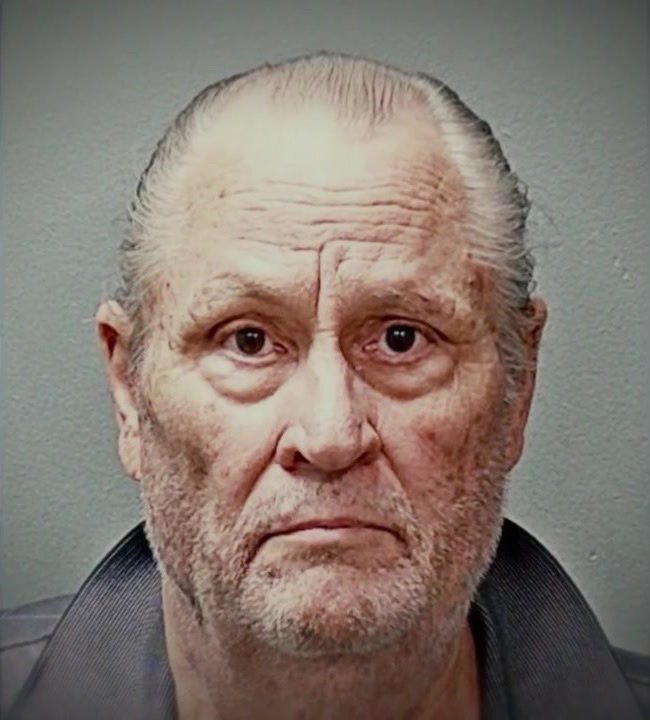
Police also searched his home. Hidden away in a compartment above a door, they found a .22 Ruger pistol.
It was the gun Glen McCurley had told detectives was stolen from his pickup truck in 1974. The gun he had told them, again, was stolen less than two weeks earlier. It had not been stolen. It had been in his house the whole time.
“I did do it, I guess”
At police headquarters, McCurley waived his right to a lawyer. Wagner and Bennett set a photo of Carla on the table in front of him.
“I don’t know who she is,” he said. “I’ve never seen her before.”
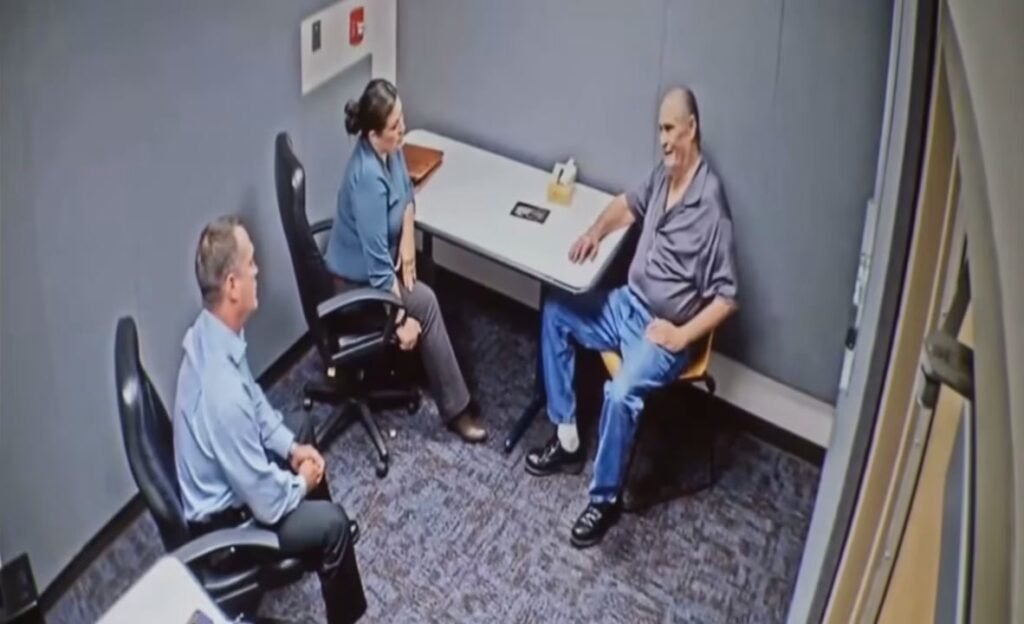
For more than an hour, he denied it. At one point he asked them a question. “If you all know all that, why didn’t you come get me back then?”
“Because they didn’t know,” Wagner answered. “But we do.”
Wagner tried another approach. She talked about his wife, and the one secret he must have kept from her for half a century. McCurley’s voice dropped. “Then I go to the electric chair,” he said. “I get hung or whatever.”
Finally he stared at the floor, with tears in his eyes. “Okay,” he said. “I did do it, I guess.”
His version was a strange one. He said he had been drinking whiskey and beer for hours that night and drove to “the bowling ball place.” He claimed he heard a girl screaming in a car and went to help her, pulled her away from the boy, and drove her off. He admitted having sex with her and choking her because he was afraid “she’d tell on me.” But he insisted she was still standing when he left.
Asked whether he had ever done anything like it to another woman, he said: “No, I only did one night.”
At the news conference the next day, Jim Walker finally had what his family had waited for. “Finally, after 46 years, five months, and three days, we have a name and a face,” he said. He also had a message for the McCurley family. “We’re praying for you. We don’t hate you.”
The trial
McCurley pleaded not guilty. His lawyers said the confession had been pulled out of a sick old man after hours of questioning, and that the old evidence could have been contaminated.
The trial opened in Fort Worth in August 2021. McCurley was wheeled into court in a wheelchair. Rodney McCoy, now in his sixties, took the stand and described the night again. “Carla turned her face to me and I can visualize it,” he said. “She said, ‘Rodney, go get my dad.'”
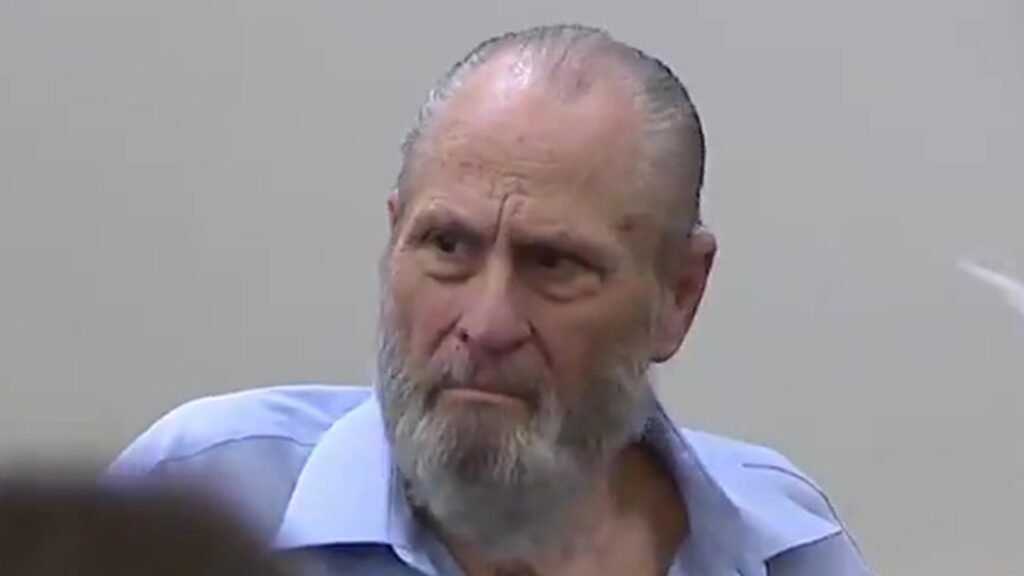
Prosecutors unfolded Carla’s powder-blue dress in front of the jury. They played hours of his recorded interview. And they showed jurors the .22 Ruger from the compartment above his door.
On August 24, 2021, the third day of the trial, McCurley stopped it. He changed his plea to guilty of capital murder. He was sentenced to life in prison.
Carla’s sister, Cindy Stone, faced him in court. “You had choices,” she said, “lots of choices that night.”
Jim Walker stood directly in front of him. “You’ve done this to other families,” he said. “And you need to confess and bring closure to these other victims’ families.” McCurley kept his eyes on the floor.
“I’d had enough hounding”
Detectives said they considered McCurley a person of interest in other killings of young women in Fort Worth in the 1970s and 1980s. He was never charged with any of them.
In December 2021, he spoke to Texas Monthly from behind the glass of a prison visiting room. He took it all back. He said he had never touched “that girl,” and that he only pleaded guilty because “I’d had enough hounding.”
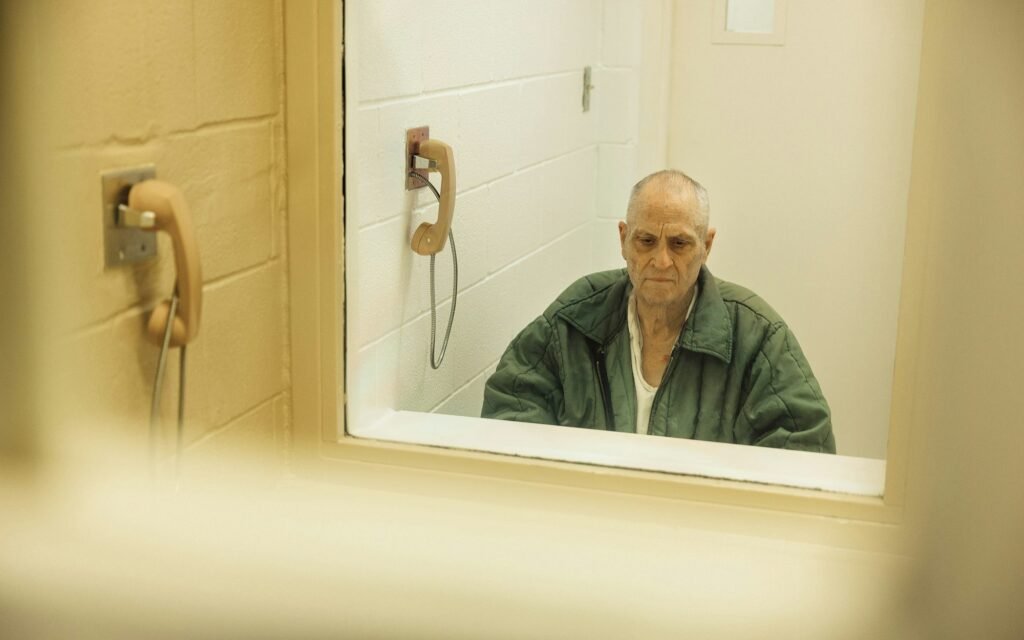
“And if I did kill those girls, wouldn’t I have tried to hide?” he said. “I’ve had the same phone number in Fort Worth for fifty years.”
He had. For 46 years he lived a few minutes from the bowling alley, in plain sight, with the gun he swore was stolen tucked above a door in his house.
Glen McCurley died in prison on July 15, 2023.
Carla Walker would have been 66.