In June 1996, Brian Dripps had been living at 459 I Street in Idaho Falls. Angie Dodge lived at 444 I Street.
He had lived directly across the street from her.
And police had already talked to him. Within days of the murder, while officers canvassed the neighborhood, one of them spoke with Dripps. He was about 30 years old at the time. According to court documents, he told the officer he had been drinking that night, had come home around 11:30 p.m., gone out again, and come back around 3 a.m. He said he had been so drunk he couldn’t remember any vehicles or people in the area.
Nobody asked him for a DNA sample.
About seven weeks after the murder, on August 2, 1996, Dripps had his utilities shut off and left Idaho Falls. Months later, the police would turn their attention to Chris Tapp.
A cigarette from a car window
By 2019, Dripps was in his 50s and living in Caldwell, on the other side of the state.
Detectives followed him for hours, waiting for him to leave his DNA somewhere they could collect it. On May 10, 2019, he flicked a cigarette butt out of his car window.
The Idaho State Police lab tested it. The DNA matched the semen and hairs left in Angie’s apartment almost 23 years earlier.
“We have your DNA at the scene”
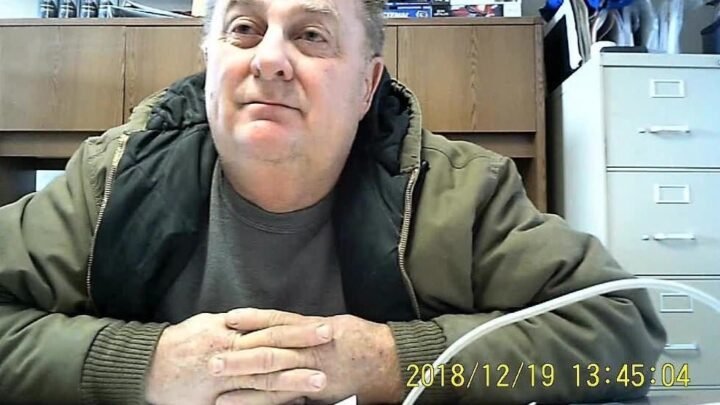
On May 15, 2019, Idaho Falls detectives sat down with Dripps in Caldwell.
For hours, he denied everything. He said he had never been inside Angie’s apartment and had never known her. In an interview later described on ABC’s 20/20 podcast The Snare, he told the detectives he had only seen “a girl coming and going a couple times.”
Then the detectives told him they had his DNA from the crime scene.
He went quiet. Then he admitted it.
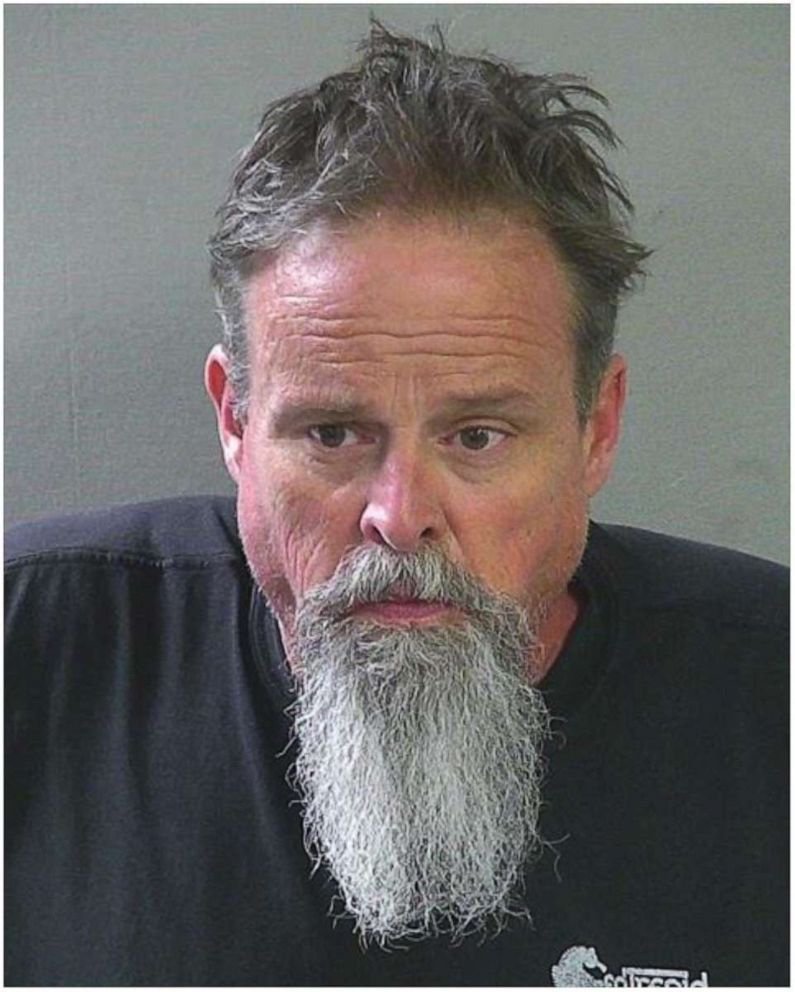
According to the court affidavit, Dripps said he had gone into the apartment alone, with a knife, intending to rape Angie. He said he did not mean to kill her. He said he believed she was still alive when he left, and that he walked back to his own apartment, across the street.
He said nobody else had been there. No Hobbs. No Tapp. No third man.
Dripps was charged with first-degree murder and rape.
“Clear and convincing evidence”
Two months later, on July 17, 2019, Chris Tapp sat in a courtroom in Idaho Falls again.
Bonneville County Prosecutor Daniel Clark had asked the court to clear him, writing that there was “clear and convincing evidence” Tapp had been convicted of a crime he did not commit. District Judge Alan Stephens agreed and threw out the conviction.
Carol Dodge was in the courtroom. When it was over, she wiped her eyes and wrapped her arms around the man who had once been convicted of killing her daughter.
He is believed to be the first person ever exonerated with the help of genetic genealogy.
The sentence
On February 9, 2021, Brian Dripps pleaded guilty to the first-degree murder and rape of Angie Dodge. The plea deal took the death penalty off the table.
On June 8, 2021, he was sentenced to life in prison. He must serve at least 20 years before he can be considered for parole. He was 55.
Judge Joel Tingey told him that what happened to Tapp was his fault too. “A young man spent a significant portion of his life in prison for no good reason,” the judge said. “He was innocent. That falls on you.”
In 2022, the city of Idaho Falls agreed to pay Chris Tapp $11.7 million to settle his wrongful conviction lawsuit. He did not get long to live free. In 2023, Tapp died after he was punched in a Las Vegas hotel room. He was 47. A former professional wrestler was charged with his murder and pleaded not guilty.
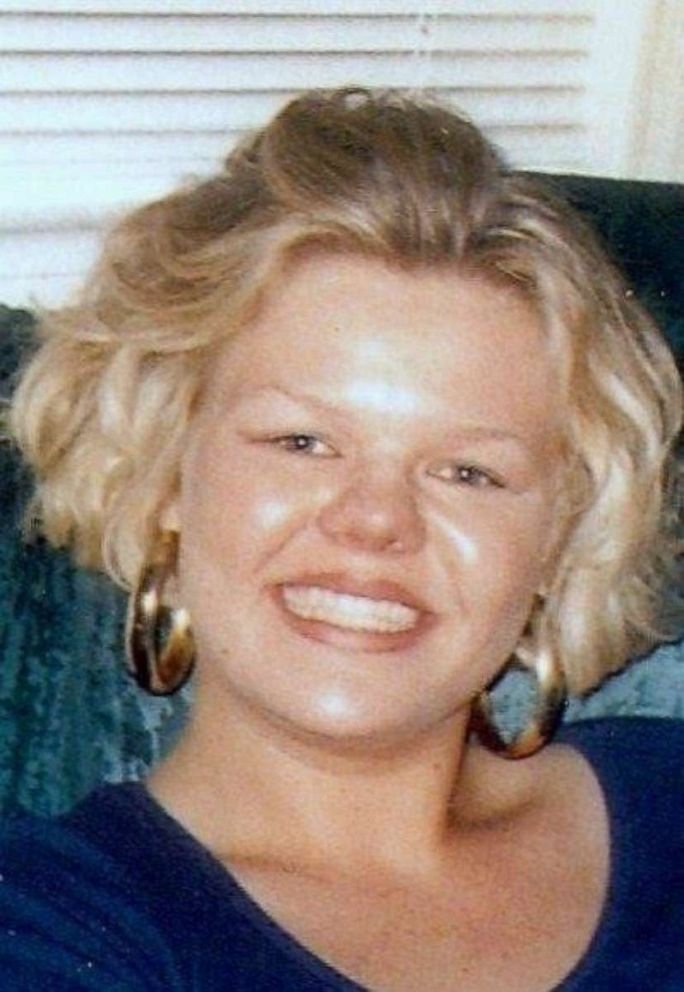
Angie Dodge was 18. For 23 years, the man who killed her had been one name in a police canvass, a neighbor who said he had been too drunk to remember anything.
It took her mother’s doubt, a family tree and one cigarette butt to walk the case back across the street.