The bed
Court staff began carrying furniture into the courtroom.
It was the Wrights’ actual bed, with the actual mattress. They set it up in front of the jurors. Court TV was broadcasting the trial across the country, gavel to gavel.
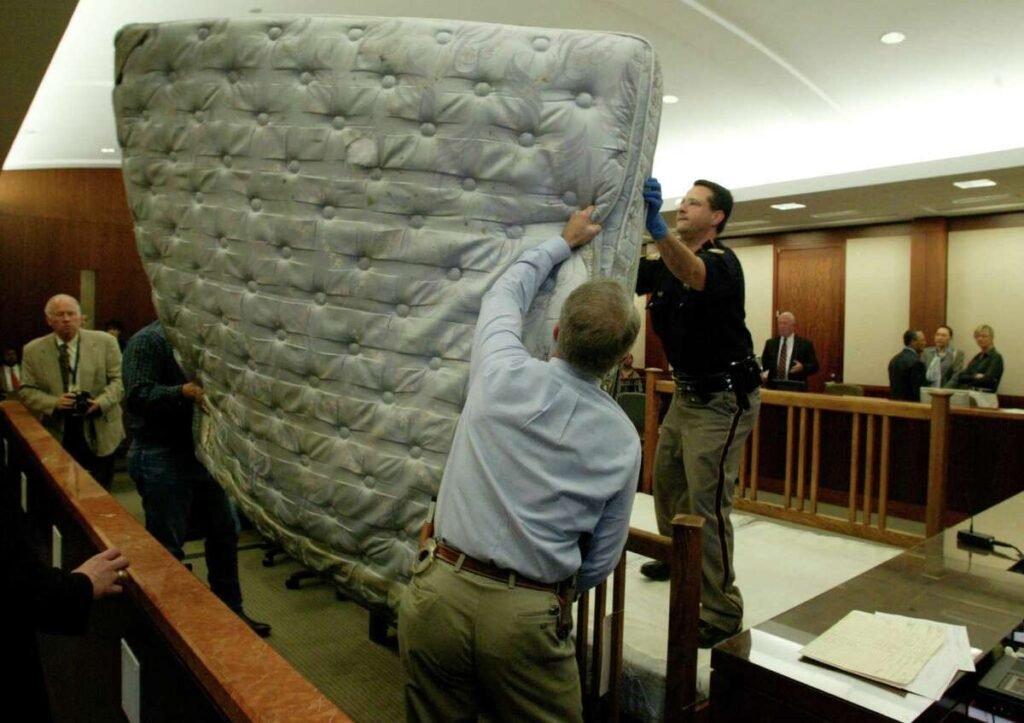
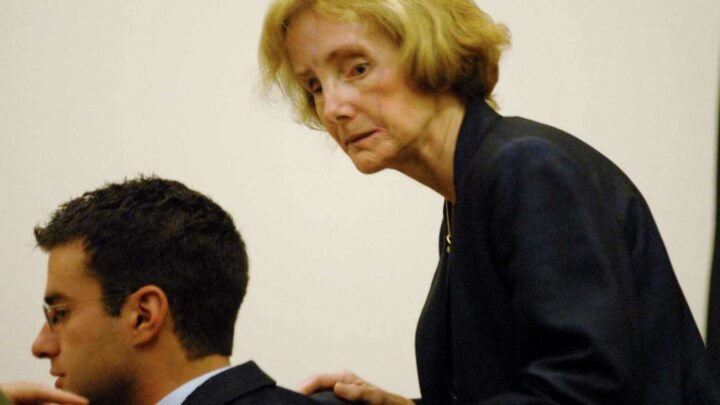
A young male prosecutor climbed on and lay on his back. He was tied to the bedposts.
Siegler took off her high heels. She climbed up and straddled him. She raised one of the real knives from the case. Then she showed the jurors how she believed Susan Wright had killed her husband, again and again, until the man on the bed began to struggle for breath against the ties.
Brian Wice, a Houston appellate lawyer who watched the trial, later called it “courtroom theater” and even “genius.” In his legal filings he called it something else: “made-for-TV nonsense.”
The jury took about five hours. On March 3, 2004, it convicted Susan Wright of murder. The next day it gave her 25 years.
Houston had a new monster. The papers called her the Blue-Eyed Butcher, and a Lifetime movie would later use the name.
What the jury never heard
Wice had watched as a TV commentator, and he came away angry. Not only at the prosecutors, but at the defense.
Wice took her appeal without charging her. Going through the file, he found out how much had never reached the jury.
Ten months before the trial, a detective had taken a sworn statement from a woman who had once been engaged to Jeffrey Wright. Her name was Misty McMichael, and she was married by then to Chicago Bears star Steve McMichael. She said Jeffrey had been charming at first, then had thrown her down a spiral staircase and backhanded her across the face. After one episode at a bar he had been arrested for assault. It was what Susan Wright had been telling the jury about the man nobody else had seen.
She was never called to testify. Neither was a single expert on domestic violence.
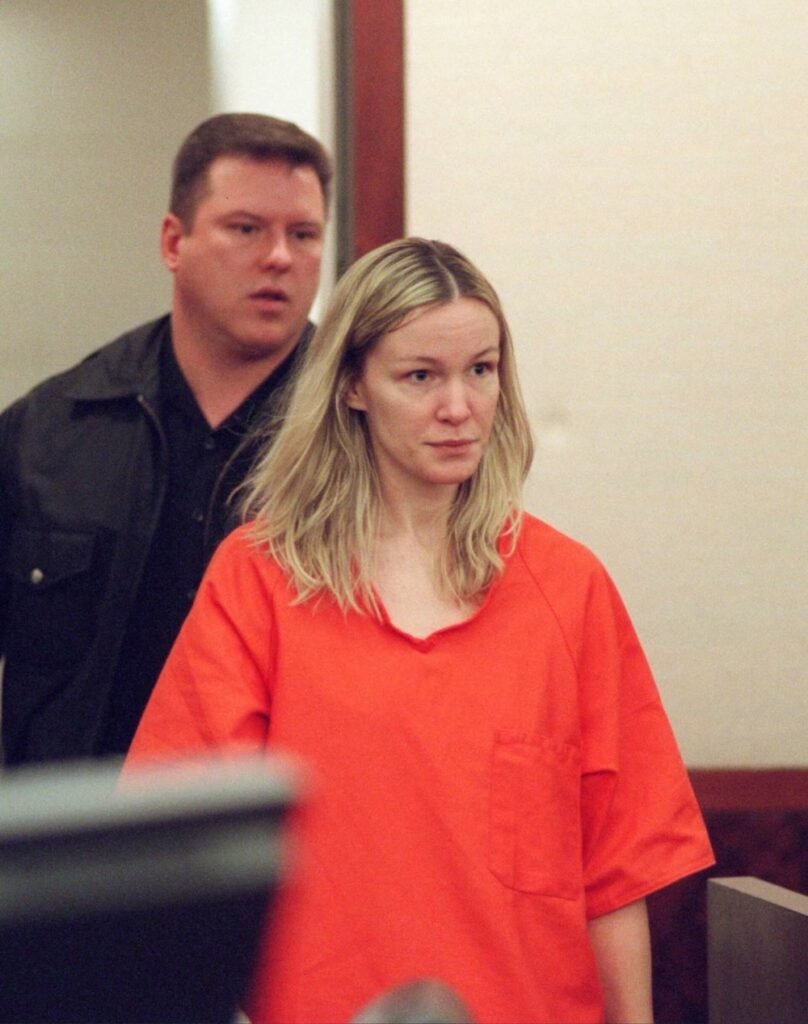
The defense had also kept a psychologist off the stand. He had examined her in the psychiatric ward and believed she had been in a dissociated state for days. But his notes held a problem. She had told him a different version of the night, one in which Jeffrey had gone to sleep before she went to get the knife. Her lawyers chose not to risk it.
In 2009, the same judge who had presided over the trial ordered a new sentencing hearing. He wrote of a “wealth of mitigating evidence” that “painted a dramatically different picture” of her. The Texas Court of Criminal Appeals agreed, and found that her lawyers had failed her at the punishment phase.
Her guilt was never in question. Only her sentence was.
A second jury
In 2010 she came back to Houston. Prosecutors told a new jury she was lying, as they always had. She had only started talking about abuse after the killing, they said. All 193 wounds were on the front of his body, consistent with a man restrained on his back. Siegler, by then in private practice, had told a reporter she could not wait for a jury to hear what Wright had really told the psychologist.
The new jury took five years off. Her sentence became 20 years.
She was denied parole in 2014 and again in 2017. In July 2020 the board approved her release, and on December 30, 2020, at 44, she walked out of a Texas prison after more than 16 years.
“I think she’s paid her debt to society and deserves a second chance,” her family said in a text message.
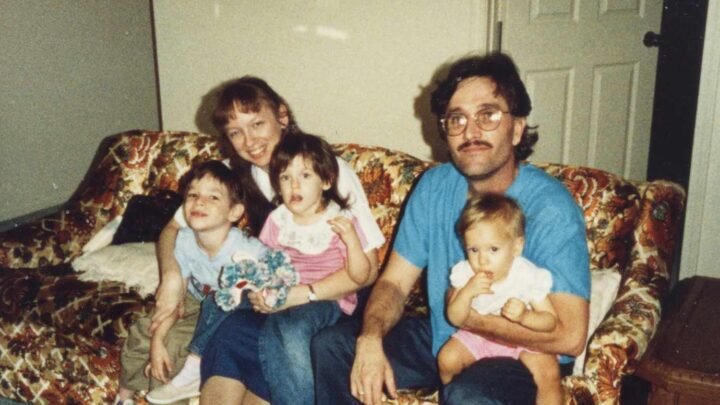
Their two children had been raised by Jeffrey’s family.
Was she a cold-blooded killer who staged a story of abuse, or a terrified wife who finally snapped? Jurors, judges and lawyers in Houston never fully agreed. Only two people were in that bedroom.
She now goes by her maiden name, Wyche. On April 30, 2026, records show, she was arrested after a hit-and-run crash in Harris County.