Reader discretion: this story contains details of violence some readers may find distressing.
In June 2013, a mother and her daughter brought a young woman into a hospital in Springfield, Missouri.
Sarah Staudte was 24. She was very sick. Doctors admitted her to intensive care. Her organs were failing, and there was bleeding in her brain.
Her mother, Diane Staudte, was calm. So was her sister Rachel.
As doctors worked on Sarah, they began to suspect she had been poisoned. And one man in Springfield had already been wondering about this family for more than a year.
Easter Sunday
Mark Staudte was 61. He played music around Springfield, and he was known to drink.
On Easter Sunday 2012, he died at home.
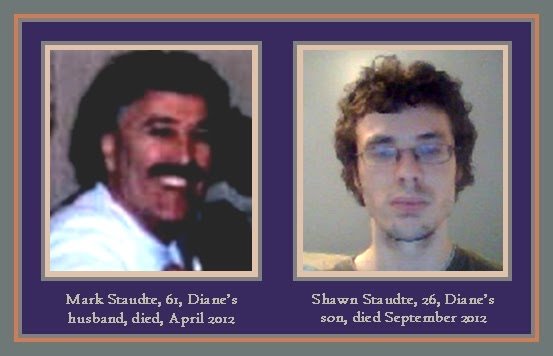
His bandmates would later remember that the night before, he had been slurring his words and his skin looked yellow. Police noted a ring of blood around his mouth. But Mark was not a healthy man, and people put his death down to his lifestyle. Nobody looked further. His body was cremated.
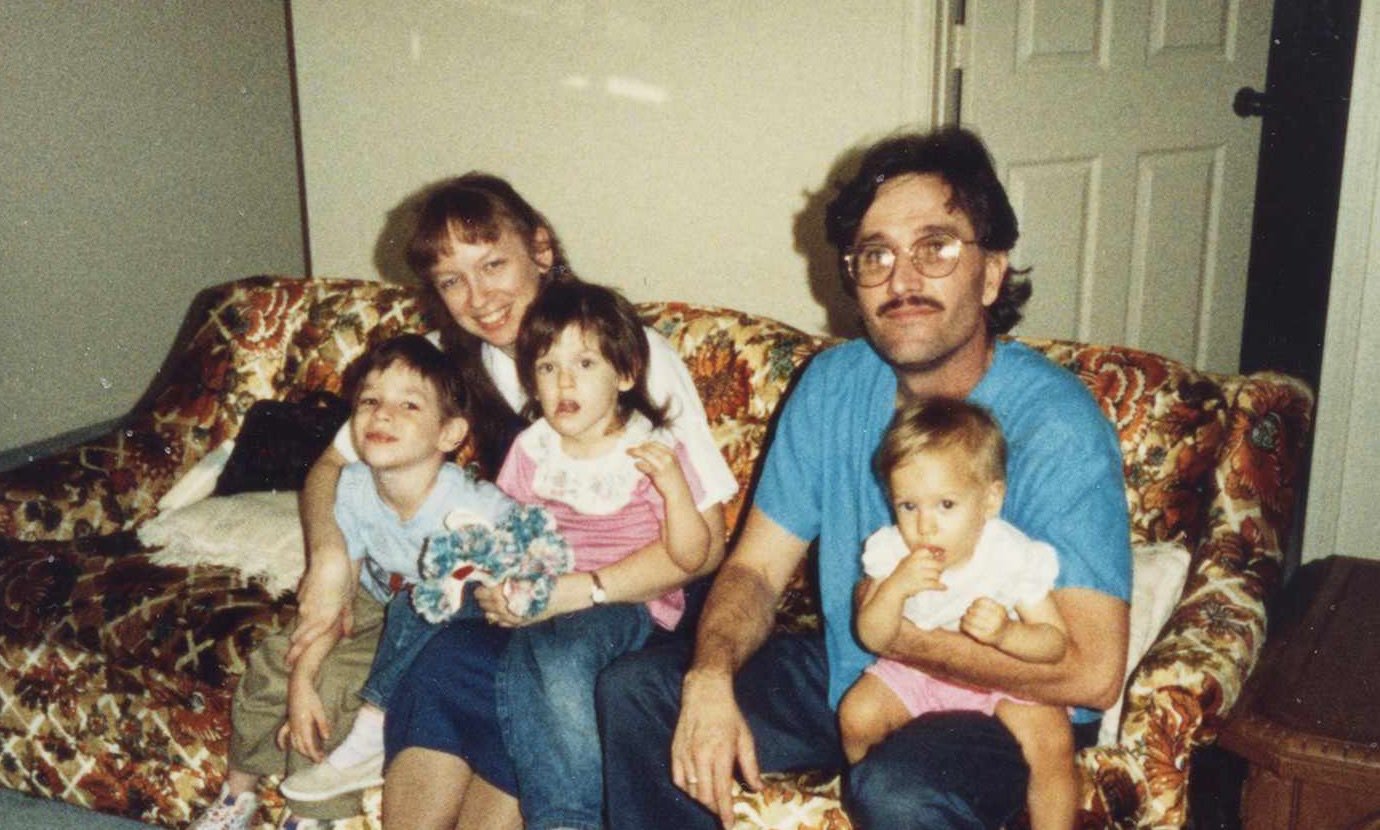
The Staudtes had four children: Shaun, Sarah, Rachel and a much younger girl. Shaun, 26, was autistic and lived at home.
About five months after his father died, in September 2012, Shaun came down with what looked like the flu. Then he was found dead. The autopsy blamed his earlier medical problems, including a seizure disorder. He was cremated too.
Two deaths in one house in five months. Both called natural.
Mark had a life insurance policy worth about $20,000. Diane used the money to move what was left of the family into a bigger house.
The pastor
The family belonged to Redeemer Lutheran Church in Springfield. Its pastor, Jeff Sippy, had never felt right about Mark’s death.
People who knew Diane noticed something else. She did not seem to grieve. Not for her husband, and not for her son.
When Sarah ended up in intensive care, the pastor picked up the phone. He called the Springfield police and told them that Shaun’s death did not look natural to him, and that it needed to be investigated.
The call was anonymous at first. Only later did it come out who had made it.
Detective Neal McAmis took the case. He began by looking at what could make three people in the same family sick in the same way. Mark and Shaun had both had flu-like symptoms. Sarah’s organs were shutting down.
When investigators went back to samples kept from Shaun’s autopsy, they found ethylene glycol, the main ingredient in antifreeze. Standard toxicology screens do not usually look for it.
The interview room
On June 20, 2013, detectives brought Diane Staudte in for questioning. A camera high in the corner of the interview room recorded it.

At first she denied everything. Then, slowly, she started to talk.
Investigators also searched the family’s home. In it, they found Rachel’s journal.
What was written in that journal, and what Diane said next in the interview room, turned two natural deaths into a double murder.
Continue readingPage 2 of 2