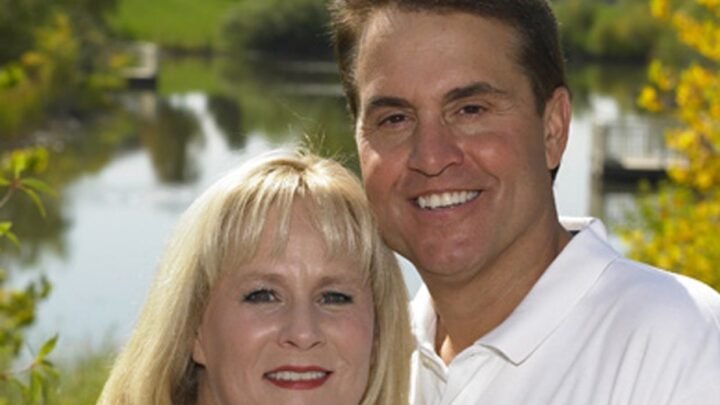
“When I poured the anti-free…”
“Well,” she said, “when I poured the anti-free…”
She stopped.
“I mean the cranberry juice,” she said.
“But you said antifreeze,” Spinelli told her.
Stacey got up. “You’re trying to frame me,” she said. “You’re trying to pin this on me.” She said she was done and asked for a lawyer.
As Spinelli gathered up his folder, the top picture slid into view. It was the turkey baster. Stacey stared at it.
“What is that picture of a turkey baster?” she asked. “Why is that there?”
The interview was over. Detectives got a warrant to tap her phones and put cameras outside her house, and another one at the cemetery. Stacey, on the phone that week, kept saying the same thing: they think I did this.
“Let’s just get drunk”
On her first day of college, Ashley Wallace, 20, was pulled aside by two investigators. Her father, they told her, had not died of a heart attack. He had been poisoned with antifreeze.
Ashley called her mother in tears. “They came to my school,” she said.
Stacey had an idea. It had been a rough week, she told her daughter. Why didn’t they have a drink together? She had never done that before.
Ashley drank what her mother mixed for her, passed out and slept it off. The next day, Stacey suggested they drink again. This time the drink tasted nasty. Ashley didn’t want it. She drank it anyway, because it came from her mother, who she had always called her best friend.
Seventeen hours later, Ashley’s younger sister, Bree, found her in her bed, unresponsive. Bree insisted on getting help, and Stacey called 911.
“I need an ambulance,” she told the dispatcher. “She’s having trouble, I think.”
Ashley had a dangerous amount of prescription pills in her system. Doctors said she was minutes from death.
The note
When Bree came back into her sister’s room, there was something beside Ashley that hadn’t been there before: a typed note, more than 750 words long, signed with Ashley’s name. Stacey picked it up and later handed it to the paramedics.
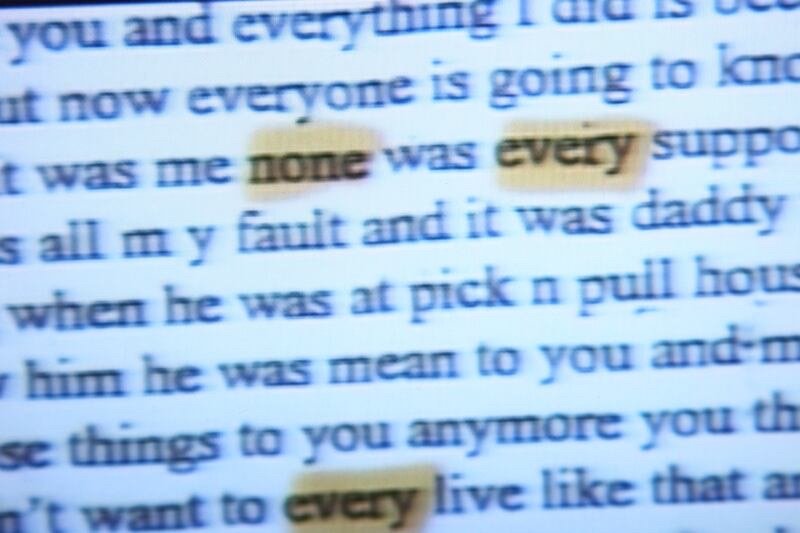
It was a confession. In it, “Ashley” admitted to poisoning her father and her stepfather. “Now everyone is going to know what really happened,” it said. “Please don’t hate me. Remember, I love you.”
Ashley woke up in the hospital with no idea what anyone was talking about. The last thing she remembered was her mother making her a drink. She hadn’t written any note.
Investigators read it carefully. In four places, the word antifreeze was spelled the same strange way: “anti-free.” No “z.”
It was exactly how Stacey had said it, in the interview room, before she stopped herself.
Drafts, timestamps and typing
The rest fell into place quickly.
Forensic examiners found several drafts of the note on the family computer. The timestamps showed they had been written while Ashley was at school. Stacey’s fingerprints were on the printed note. Ashley’s were not.
On one of the wiretapped calls, investigators could hear the sound of typing while Stacey talked to a friend. Ashley testified that she had seen her mother at the computer, hiding the screen from her.
On September 14, 2007, Stacey Castor was arrested and charged with murdering David, attempting to murder Ashley, and forging David’s will.

“In a class by yourself”
Her trial began in January 2009. The first witness for the prosecution was Ashley.
Stacey took the stand in her own defense. She said her daughter was the killer. She suggested Ashley had poisoned her own father when she was 11, out of jealousy, and her stepfather after that.
The jury didn’t believe her. On February 5, 2009, Stacey Castor was found guilty of second-degree murder, attempted murder and forgery. She was never charged in Michael Wallace’s death, but prosecutors told the jury about it, and the judge said what he thought.
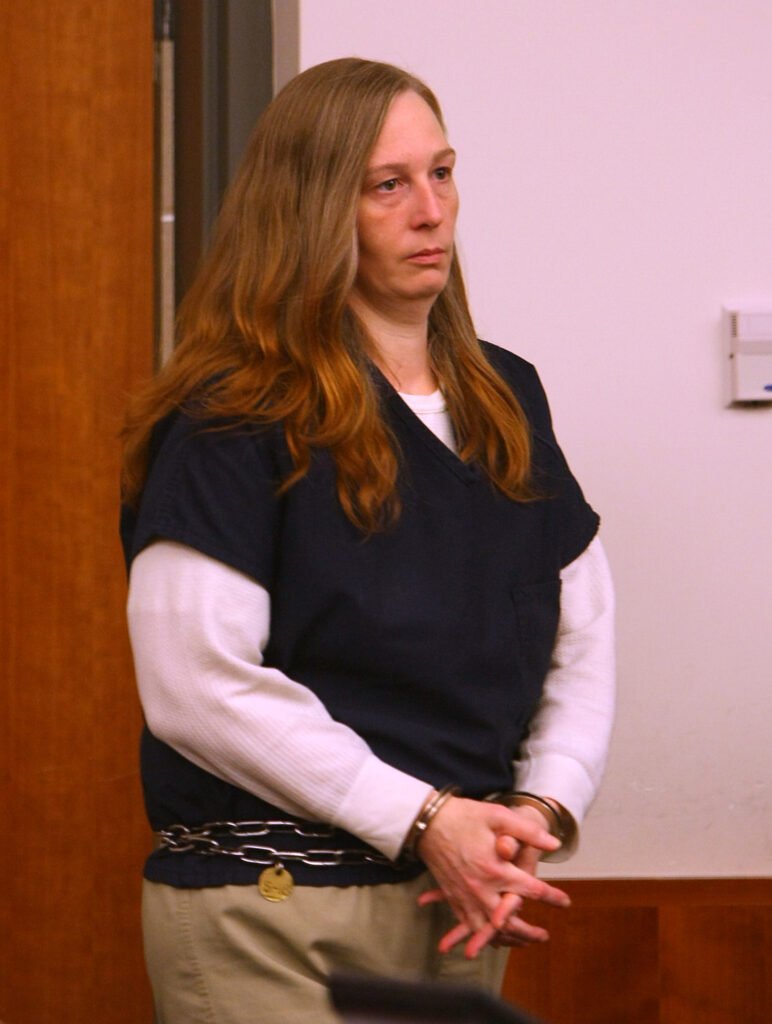
“I’ve seen serial killers. I’ve seen contract killers,” Judge Fahey told her at sentencing on March 5, 2009. “But I have to say, Mrs. Castor, you are in a class by yourself.”
He said he had never seen a parent “prepared to sacrifice their child to shift the blame away from themselves.” He gave her the maximum: 51 and a third years to life.
Ashley spoke in court that day.
“I never knew what hate was until now,” she said. “Even though I do hate her, I still love her at the same time… As hard as you tried, I survived, and I will survive, because now I’m surrounded by people that love me.”
Stacey Castor never admitted anything. She told ABC’s “20/20” that Ashley “brought this on.” On June 11, 2016, she was found dead in her cell at Bedford Hills Correctional Facility. She was 48. Officials said she died of a heart attack.
Neither of her daughters ever got the apology they were waiting for.