Reader discretion: this story contains details of violence some readers may find distressing.
On August 22, 2005, Stacey Castor called for help from her home in Clay, a suburb just north of Syracuse, New York.
Her husband, David, had locked himself in their bedroom after an argument, she said. He hadn’t come out, she said, and he had been depressed.
Onondaga County sheriff’s deputies came to the house. Sgt. Robert Willoughby kicked in the bedroom door.
David Castor, 48, was lying dead in the bed.
“He’s not dead,” Stacey cried. “Have him come back. He’s not dead.”
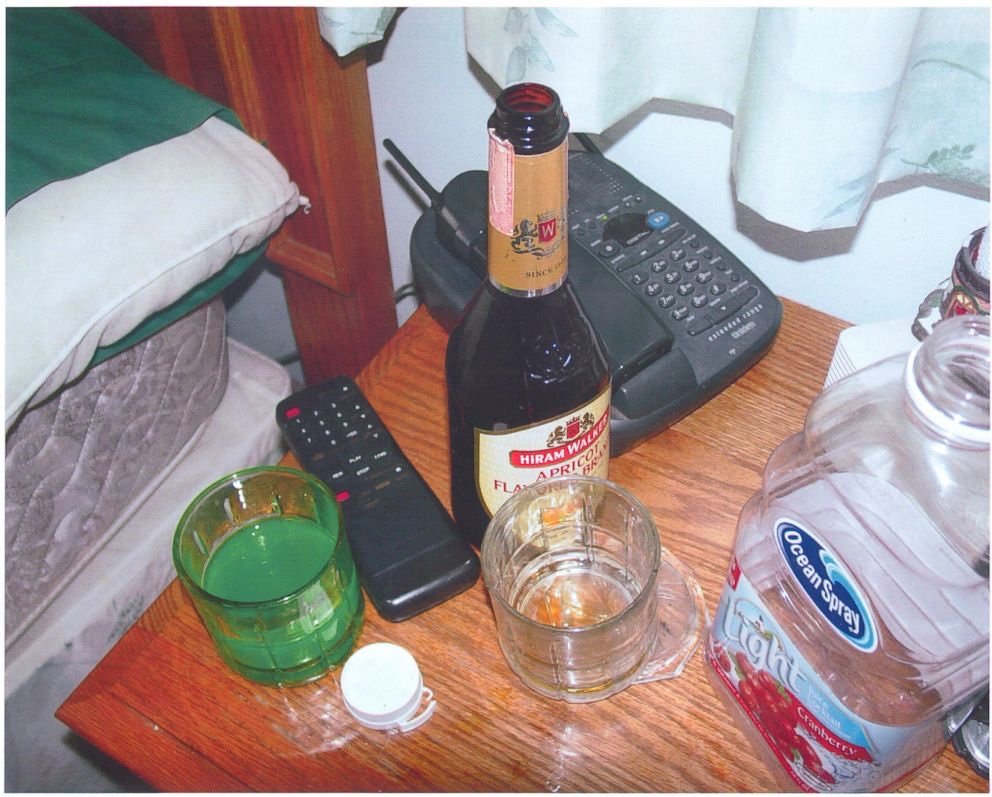
The glass on the nightstand
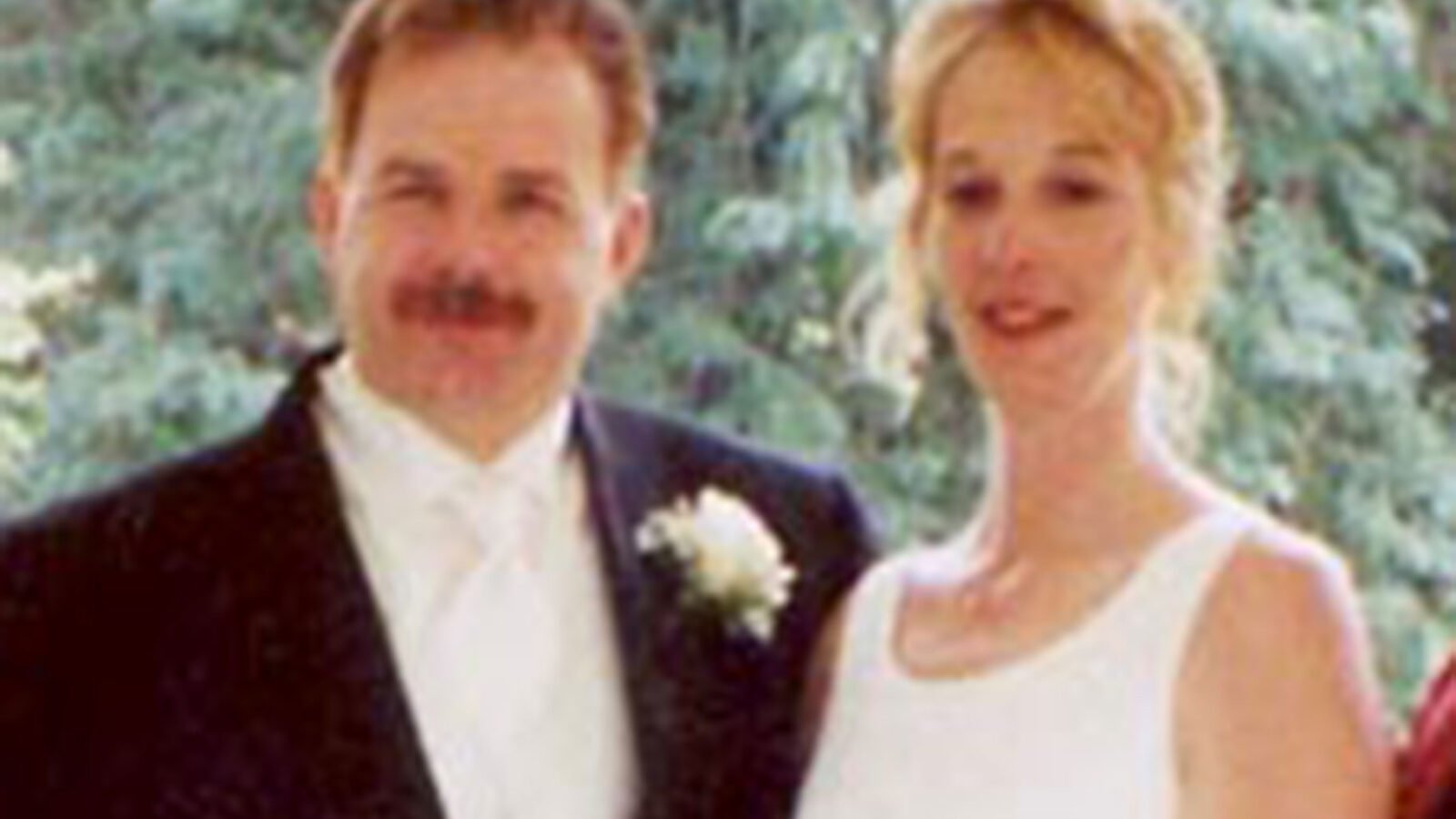
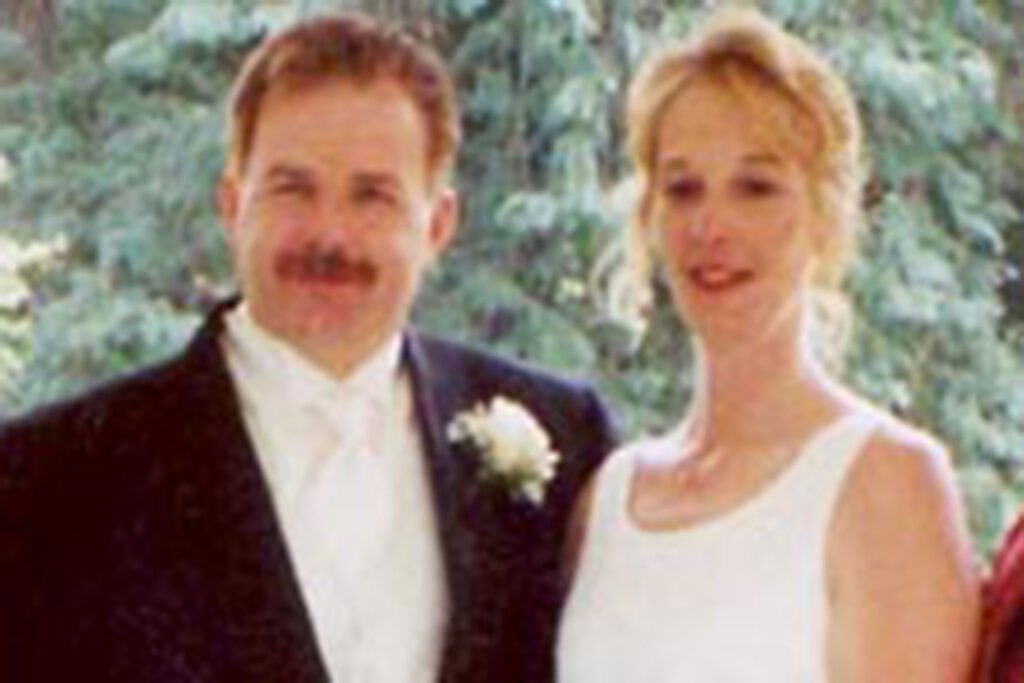
David owned an air-conditioning business. Stacey, 38, ran his office. They had met in 2001 through her boss and married two years later. Stacey had two daughters from her first marriage, Ashley and Bree.
On the nightstand beside David’s body, investigators found a bottle of apricot brandy, a jug of cranberry juice, a glass with juice residue in it, and a second glass, half full of a bright green liquid. On the floor beneath the bed was a jug of antifreeze with its cap off.
The medical examiner found that David had died of ethylene glycol poisoning, the toxic chemical in antifreeze. It was ruled a suicide.
Stacey had an explanation for how he got the idea. She said they had watched a TV news story together about Lynn Turner, a Georgia woman convicted of killing her husband with antifreeze.
The second husband in the cemetery
Some things bothered the investigators from the start.
Stacey’s fingerprints were on the green glass. And she had held it, a lab analyst found, from the bottom. David’s ex-wife never believed he had killed himself.
In the kitchen trash, they found a turkey baster. Its tip carried traces of antifreeze and David’s DNA. Investigators came to believe it had been used to force the poison into David once he was too weak to drink it himself.
Then there was the will. It left everything to Stacey and her daughters, and nothing to David’s son from his first marriage.
And David was not the first husband Stacey had buried.
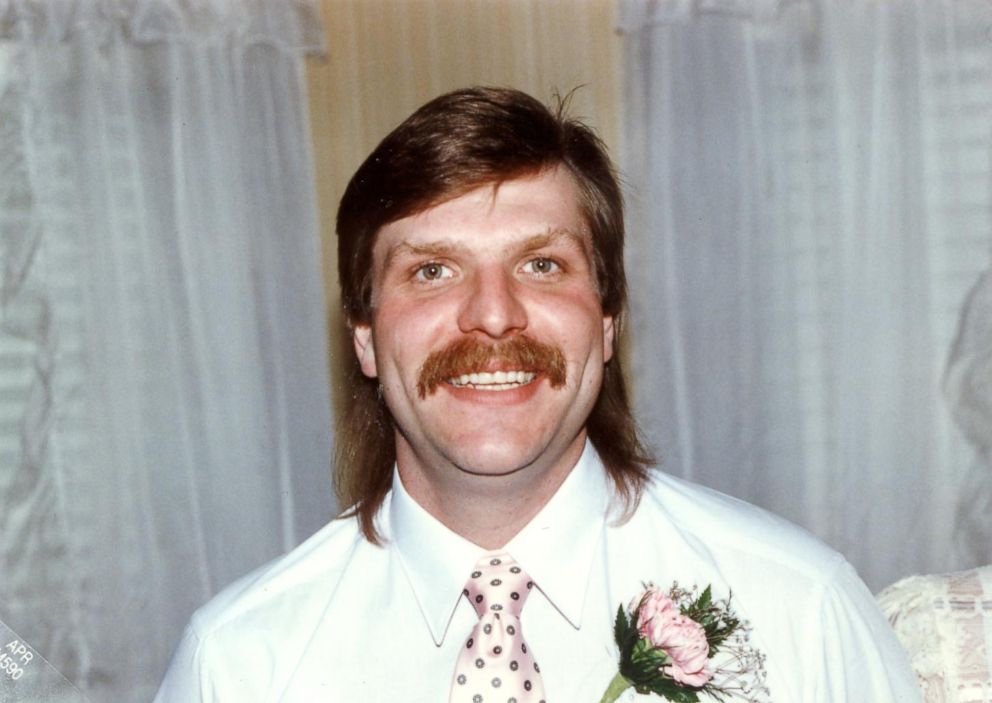
Michael Wallace, the father of Ashley and Bree, was a mechanic. Around the holidays in 1999 he got sick. He staggered when he walked. He had trouble talking. He vomited and went back to sleep. In January 2000, he lay down on the family’s couch and died. He was 38.
Doctors in the emergency room told Stacey it was a heart attack. Michael’s sister wanted an autopsy. Stacey said no. She collected a $50,000 life insurance policy, paid for the funeral, and took the girls to Disney World.
When detectives finally pulled Michael’s medical records, they found nothing wrong with his heart.
At Stacey’s request, the two husbands had been buried side by side, in a cemetery outside Syracuse.
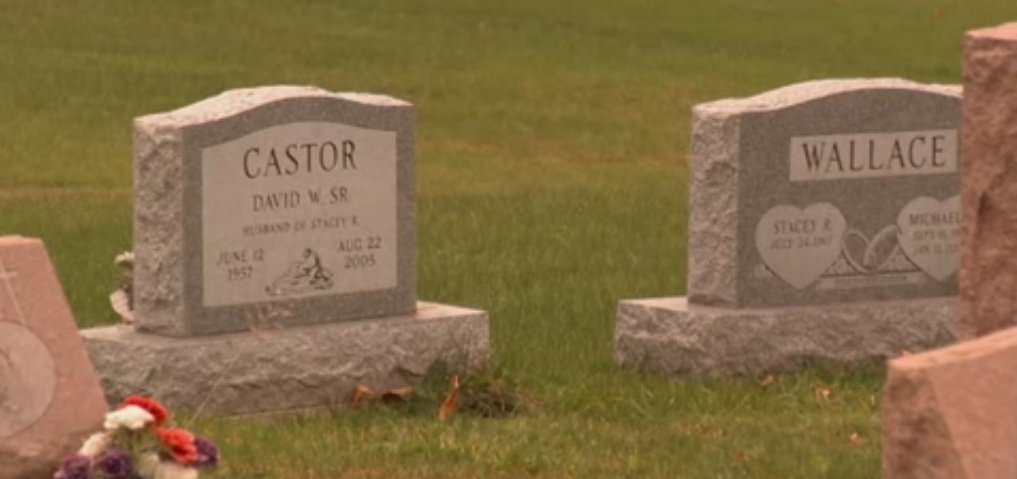
The exhumation
In September 2007, a judge approved what investigators had wanted for months. They dug up Michael Wallace.
A few days later, the medical examiner called Investigator Spinelli of the Onondaga County Sheriff’s Office with the results. Michael was, he said, “loaded with crystals.”
When someone is poisoned with antifreeze, calcium oxalate crystals form in their organs, and they stay there for years. They were the same crystals found in David Castor.
Spinelli knew he had a double homicide. He went to see Stacey and asked her to come in for a second interview, to close out David’s case.
She seemed nervous. She paced. She told the investigators it was as if her husband’s hand was reaching out from the grave.
At the sheriff’s headquarters, Spinelli put a photo on the table. It showed the two glasses from David’s nightstand.
Stacey had always said she poured David some cranberry juice that day. So Spinelli asked her a simple question: which of these glasses had she poured the cranberry juice into?
Stacey looked at the picture and began to answer.
Continue readingPage 2 of 2