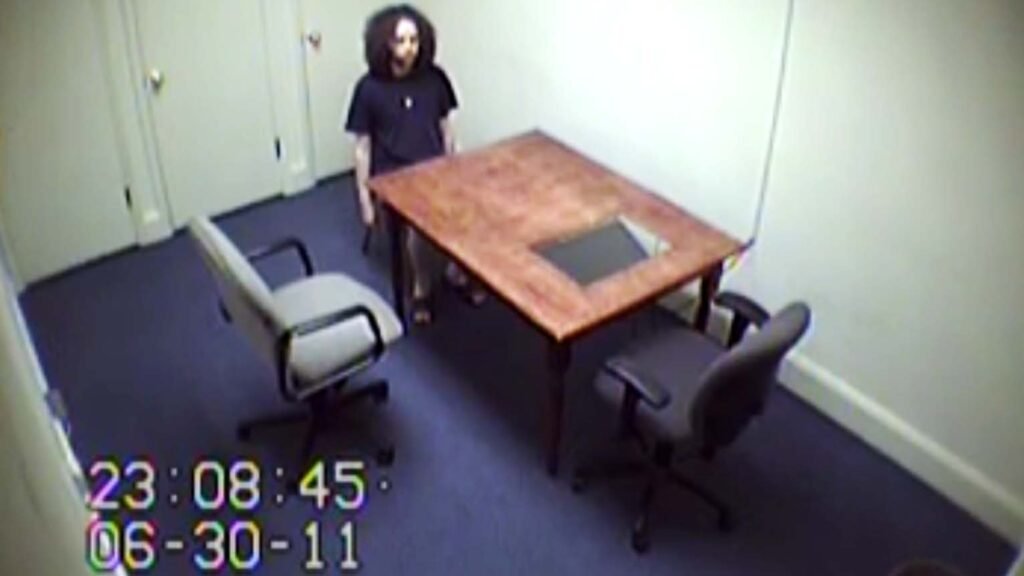
At 11:08 p.m., Detective David Patterson walked in.
“Do you know where she’s at tonight?”
“No,” McDaniel said.
“Do you even care that no one can find her?”
“Yes.”
For hours, three detectives took turns with him. They showed him a photo of Lauren. They told him they knew. One of them shouted that there was blood in his apartment. McDaniel stared at the wall and said almost nothing, and when he did speak, it was usually the same three words.
“I don’t know.”
At 12:18 a.m., Patterson asked about two fresh scratches on McDaniel’s stomach. Police said they looked like fingernail scratches. McDaniel said he must have cut himself in his sleep.
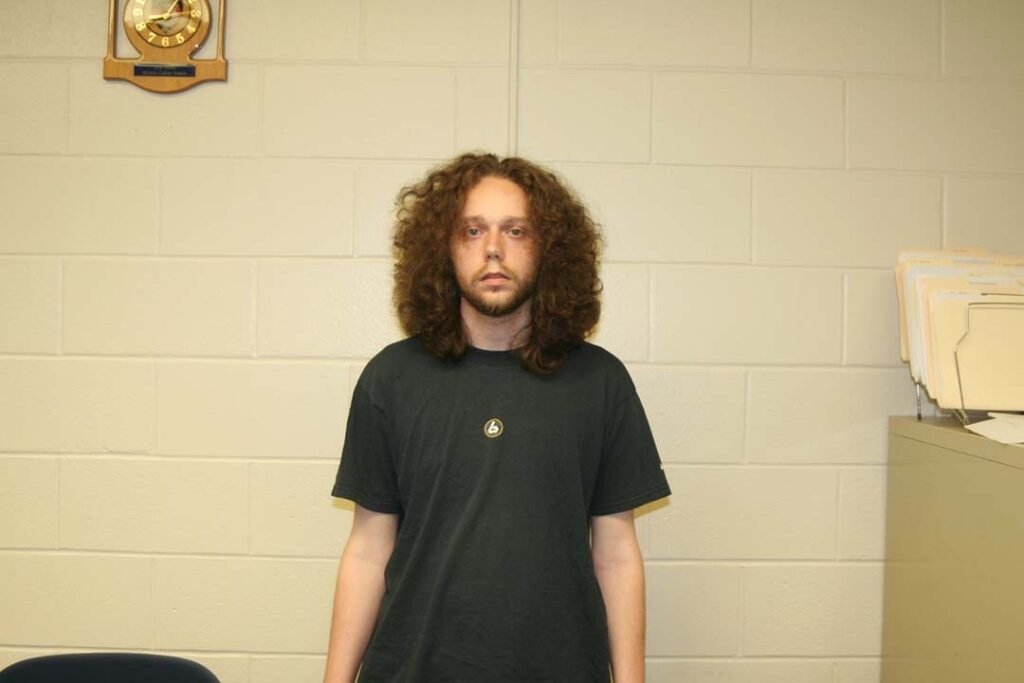
He never confessed that night. But he slipped once. Police had found condoms in his apartment, and McDaniel had told them he was a virgin saving himself for marriage. Where did they come from? He admitted he had gone into two classmates’ apartments while they were out and taken them.
That was burglary. It was enough to put him in jail. Before he was taken away, an officer served one last search warrant. “We saved the best for last now,” the officer said, and pulled hair from his head.
The evidence piles up
McDaniel would sit in jail for a month before the murder charge came.
In his apartment, investigators found a master key to the complex and a key to Lauren’s apartment. They found a pair of women’s underwear that carried her DNA. They found packaging for a hacksaw. Prosecutors would later say the hacksaw itself was linked to him.
His computer held more. He had been looking up Lauren online. He had researched the security device she used on her door, the same bar he had pointed out to the TV reporter as proof that no one had broken in. Prosecutors said he had also visited websites about dismemberment and cannibalism.
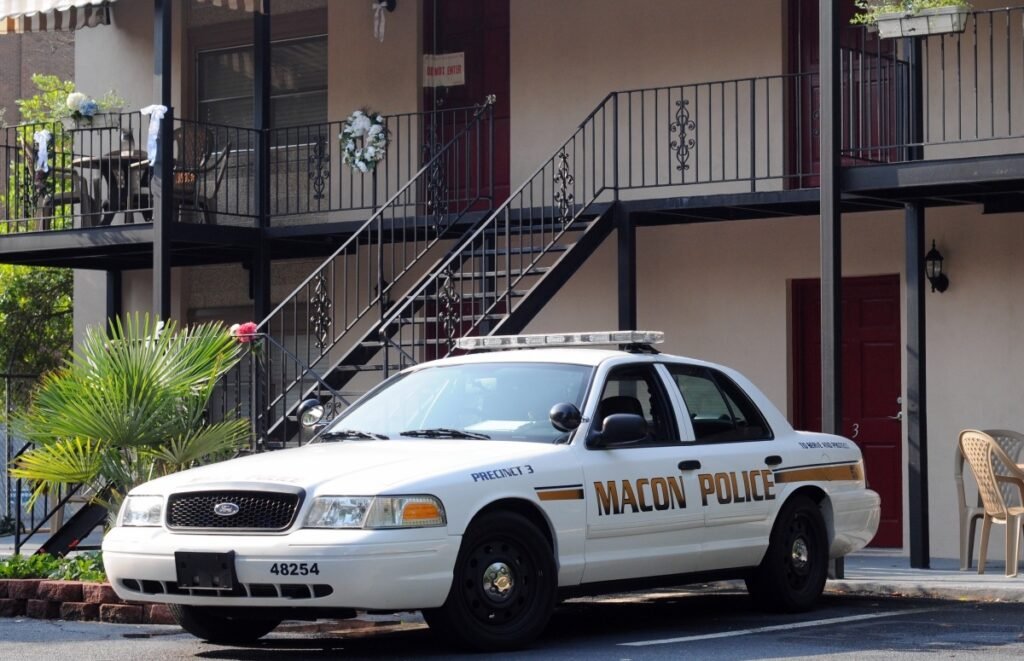
In early August 2011, Stephen McDaniel was charged with murder.
He pleaded not guilty. For almost three years, the case crawled toward trial. Lauren’s family asked prosecutors not to seek the death penalty, and in February 2013 the district attorney agreed. After a change of venue, the trial was moved out of Macon to Henry County. It was finally set for late April 2014.
McDaniel still had not said a word about what happened to Lauren.
The video on the camera
Then forensic investigators went back to the camera they had taken from his apartment.
On it were pictures of Lauren. And there was video he had deleted, which they were able to recover.
According to prosecutors, McDaniel had duct-taped a video camera to the end of a six-foot wooden stick. At night, he stood outside the building and lifted it up to Lauren’s second-floor window, so the camera could look inside her apartment through the blinds.
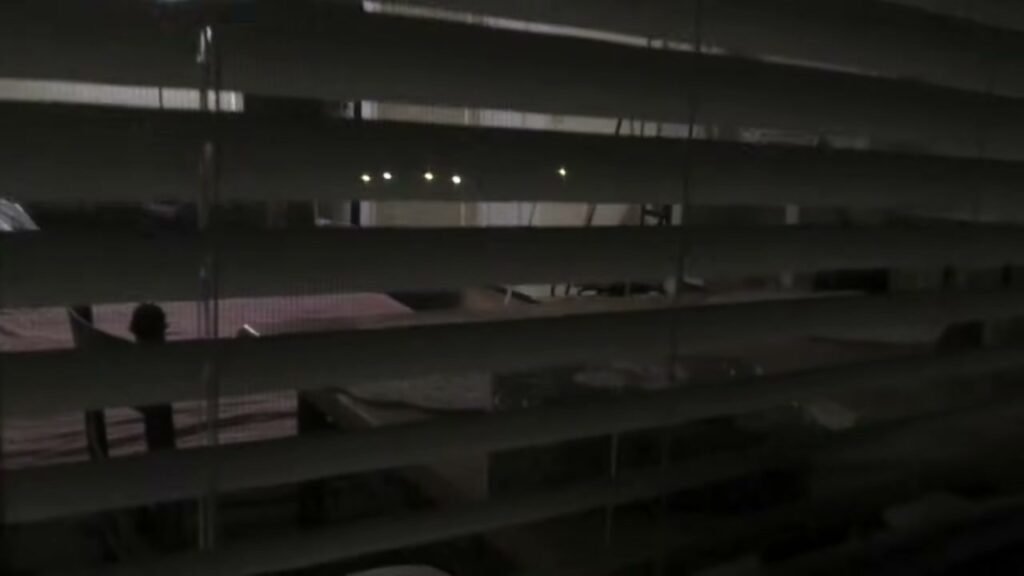
The clips are dark and shaky, shot through the slats of the blinds.
He had filmed it the weekend she died.
The video proved what the detectives had been telling him in that interview room: this had been planned. He had been watching her. According to the American Bar Association Journal, which cited The Telegraph, McDaniel agreed to plead guilty once he learned the deleted video had been recovered. “The case took a turn for the worse for McDaniel when the computer evidence started coming out, and it just kept coming,” his lawyer, Frank Hogue, said.
“Truly evil”
On Monday, April 21, 2014, one week before jury selection, Stephen McDaniel stood in a Macon courtroom and pleaded guilty to malice murder.
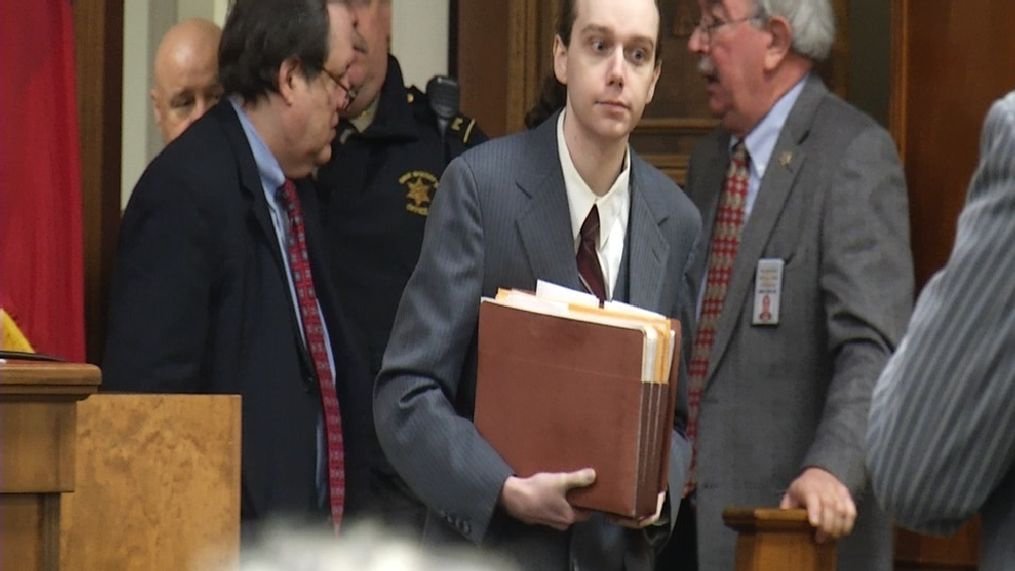
As part of the deal, he had to write down what he did. In his one-page statement, he said that at about 4:30 a.m. on Sunday, June 26, 2011, he used the master key to open Lauren’s door while she slept. He was wearing a mask and gloves. When she woke up, he strangled her.
He came back later with a hacksaw. He put most of her remains in trash bags and threw them into a dumpster at the law school across the street. A garbage truck later emptied it. Her torso he left in the trash can outside their building, where police found it.
“It’s difficult for me to explain why I killed Lauren and attempted to conceal my deed the way I did,” he wrote. “If I could take back what happened, I would do so.”
Lauren’s parents read a statement of their own. “He tried to extinguish Lauren’s light with his darkness,” they said. “He did not come close.”
Judge Howard Simms told McDaniel that in all his years in the courtroom, he had met only two people he would describe as “truly evil.”
“Having sat and watched you for these last few months and looked into your eyes,” the judge said, “you make number three.”
McDaniel was sentenced to life in prison. Under the deal he will be eligible for parole in 2041, but District Attorney David Cooke said he fully expected McDaniel to spend the rest of his life behind bars. Prosecutors dropped the burglary charge and charges of sexual exploitation of children that had been added during the investigation.
The rest of Lauren Giddings’ remains have never been found.
The man who wouldn’t stop arguing
McDaniel had agreed not to appeal. He appealed anyway. Representing himself, he argued that his lawyers had pushed him into the plea and that prosecutors had seen his private legal papers. Georgia’s courts and the U.S. Supreme Court turned him down.
He is serving his sentence in a Georgia state prison.
On the afternoon her body was found, he stood in front of a camera and told a reporter that maybe someone had snatched Lauren while she was out running. Three years later, the camera that convicted him was his own.