“It was an accident”
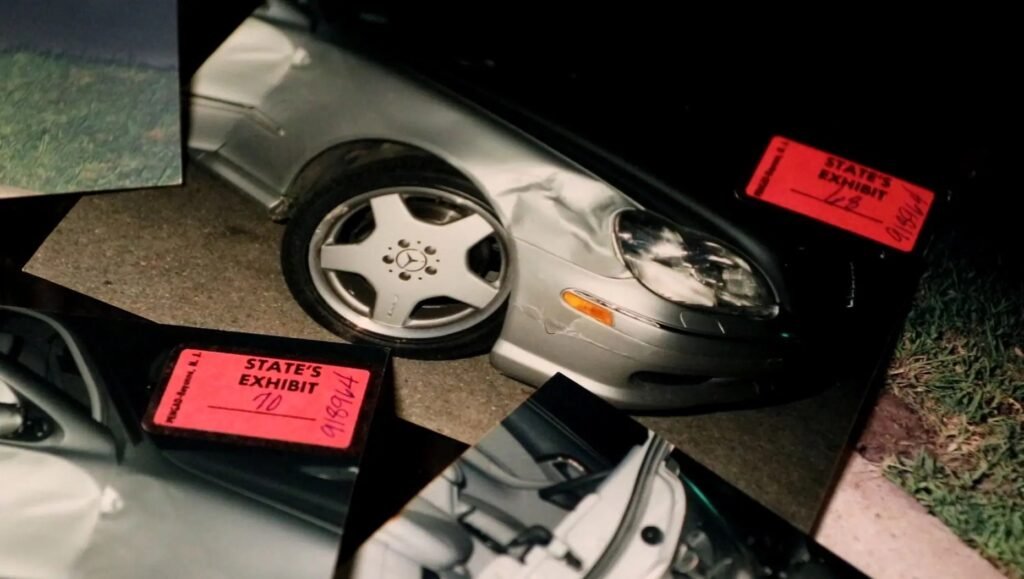
The Mercedes tore across the lot. It clipped the back of the Navigator and hit David Harris, throwing him about 25 feet.
A hotel employee banged on the trunk and yelled at her to stop. Lindsey screamed. Witnesses saw her open her door and put her feet down on the pavement.
Eyewitnesses said the car did not stop there.
When it finally did, Lindsey got out, ran around to the driver’s side and punched her stepmother in the face. Then she collapsed on the ground sobbing.
Clara walked to her husband. She cradled him in her arms and begged him to breathe. “I’m so sorry,” witnesses heard her say. “David, I’m so sorry. I love you.”
He was dead.
“It was an accident,” she told the TV cameras on the night of her arrest. She would never move from that. At trial she told the jury everything had felt like a dream. She said she had decided in a flash to smash her car into Gail’s. She said she did not even know she had run over him.
The papers had a field day. A British tabloid called her “the Driller Killer.” Callers to Houston radio shows said they understood. David’s own parents forgave her and took the stand on her behalf.
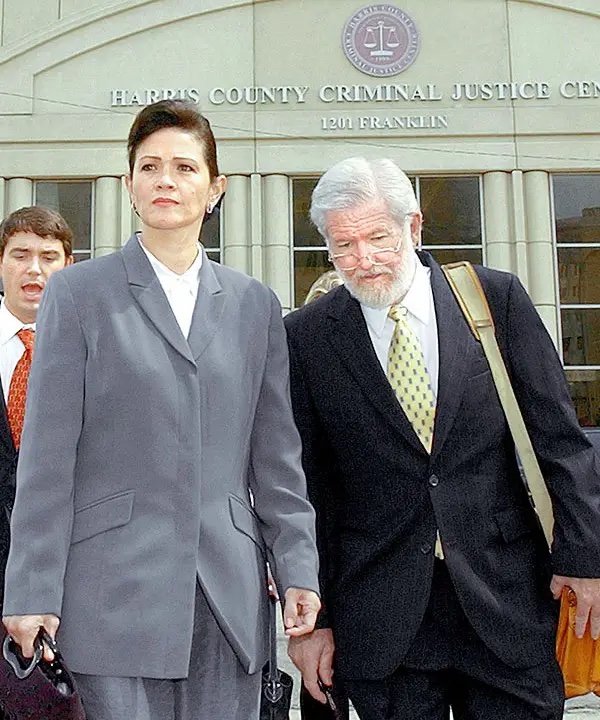
A jury might have believed her. She was a devoted wife and a mother of two small boys, and she had been humiliated at the hotel where she had celebrated her wedding.
Her lawyers had one big problem. Actually, they had two.
The tape and the girl
The first was the videotape.
Clara had paid for it herself. Bobbi Bacha, who ran Blue Moon, later said Clara had been shocked to learn that the killing had been filmed.
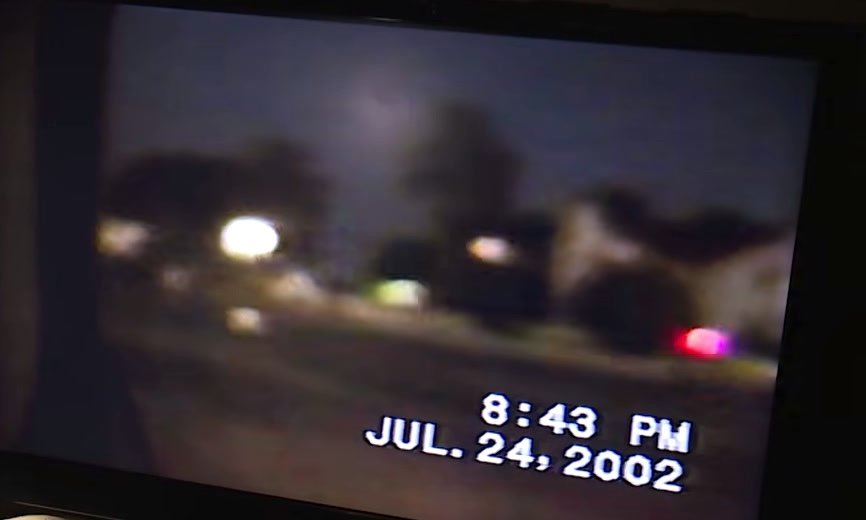
It was shaky, shot at night from across the lot, and it did not show everything. A legal analyst for CBS described it as partially showing Harris running over her husband again and again. The defense even tried to use it, arguing that it showed an accident. Experts fought over what had happened. A defense expert said he was hit, carried on the hood and then run over. A prosecution expert said she hit him, circled and ran over him at least two times. One hotel worker told the jury she hit him three times.
When a defense reconstruction of her path through the lot was played in court, Clara cried and moaned aloud.
The second problem was Lindsey.
She was 17 by then. Her family’s lawyers tried to get her released as a witness and failed. She took the stand in late January 2003.
“She stepped on the accelerator and went straight for him,” Lindsey told the jury. “He was really scared. He was trying to get away and he couldn’t.”
Then she told them what she had heard.
She said Clara had told her: “With all he’s done to me, I could kill him and get away with it.” Accounts differ on whether that was a week earlier or that same night.
And in the last seconds in the parking lot, Texas Monthly reported, Lindsey told the jury that Clara had said five words.
“I’m going to hit him.”
“I knew she had killed my dad,” Lindsey testified.
The defense pointed out that her family had filed a wrongful-death claim against Clara. Her stepfather was furious. “You do not have the right to kill anyone, for any reason,” he said outside court, “especially in front of an innocent child.”
Clara took the stand herself. She told the jury about the napkin, the trainer, the surgery. “I was in so much pain,” she said. “It was a physical pain that I was feeling. I wasn’t thinking anything.”
Valentine’s Day
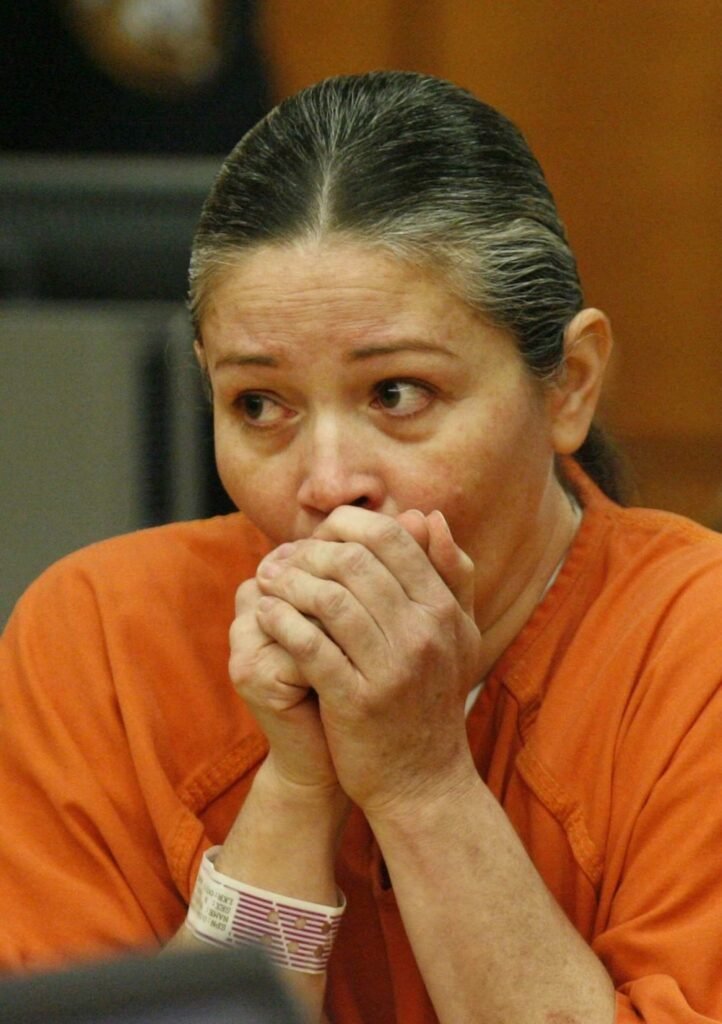
On Thursday, February 13, 2003, after eight hours of deliberation, the jury found her guilty of murder. Two of the jurors cried as the verdict was read.
The next day was Valentine’s Day. It would have been the Harrises’ 11th wedding anniversary.
The same jury decided that Clara had acted in “sudden passion,” which capped her punishment at 20 years. Then it gave her all 20.
She looked at a photo of her boys, bowed her head and was led away.
Four years later, David’s parents won a wrongful-death suit against her. A jury ordered her to pay $3.75 million.
In prison she translated school textbooks into Braille and broke no rules. She was turned down for parole four times. In 2017 her lawyer tried something new: he brought her sons, then 19, to the hearing. They told the board they had visited her every month for 15 years. They had lost their father, they said, and they wanted their mother back.
She walked out of prison on May 11, 2018. She was 60, and her hair had gone gray.
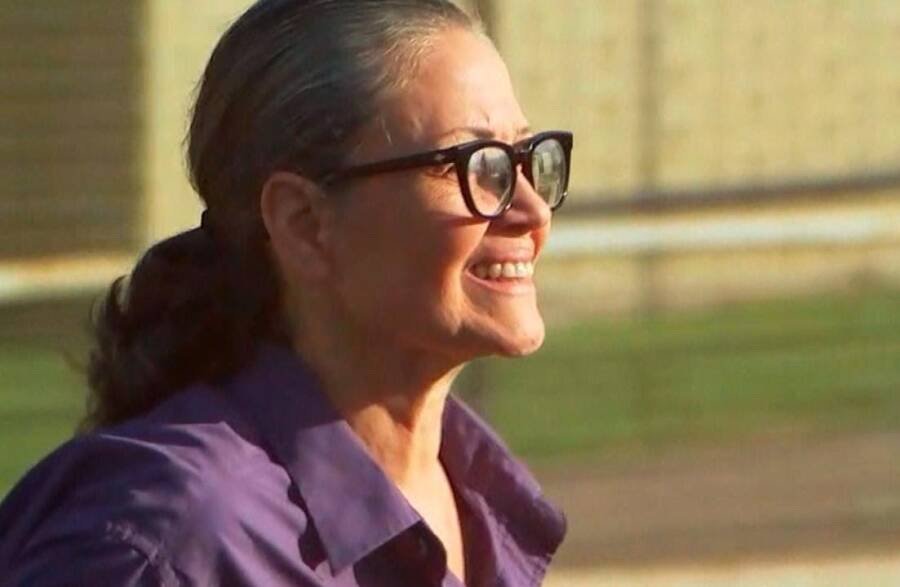
The state had taken her dental license. Her parole ended in 2023.
Lindsey went home to Ohio after her father’s funeral. People who spoke to her in the months that followed said one thing haunted her more than the sound of the car.
The last words she ever said to her father were “I hate you.”