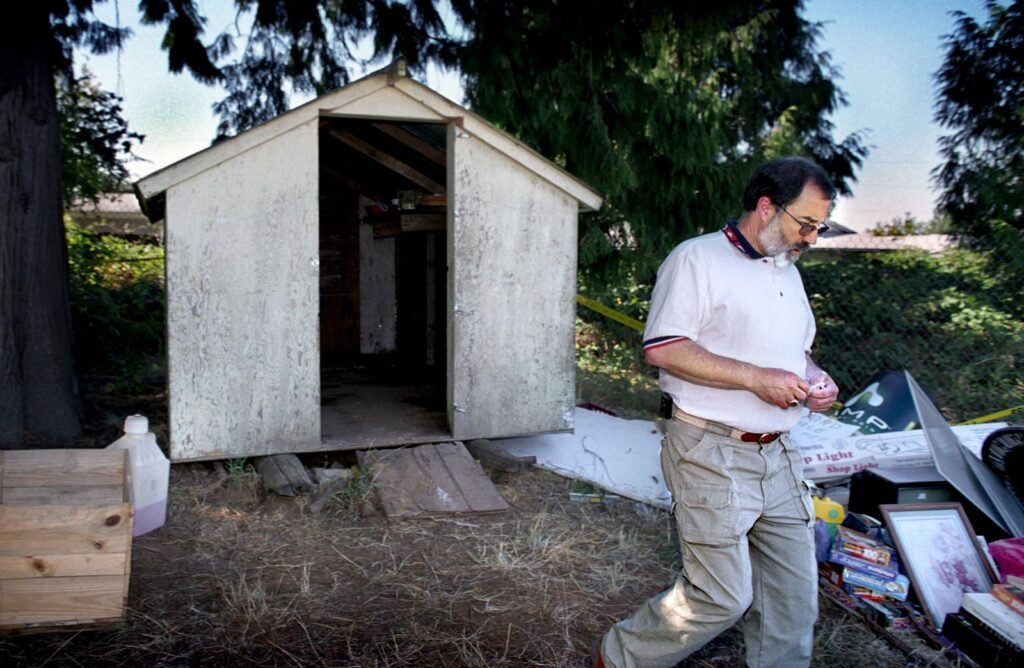
The shed
Inside the shed was a cardboard box. In it were the remains of Miranda Gaddis.
Word reached the crowd outside. The KATU reporter who had walked across that yard with Weaver broke down on live television.
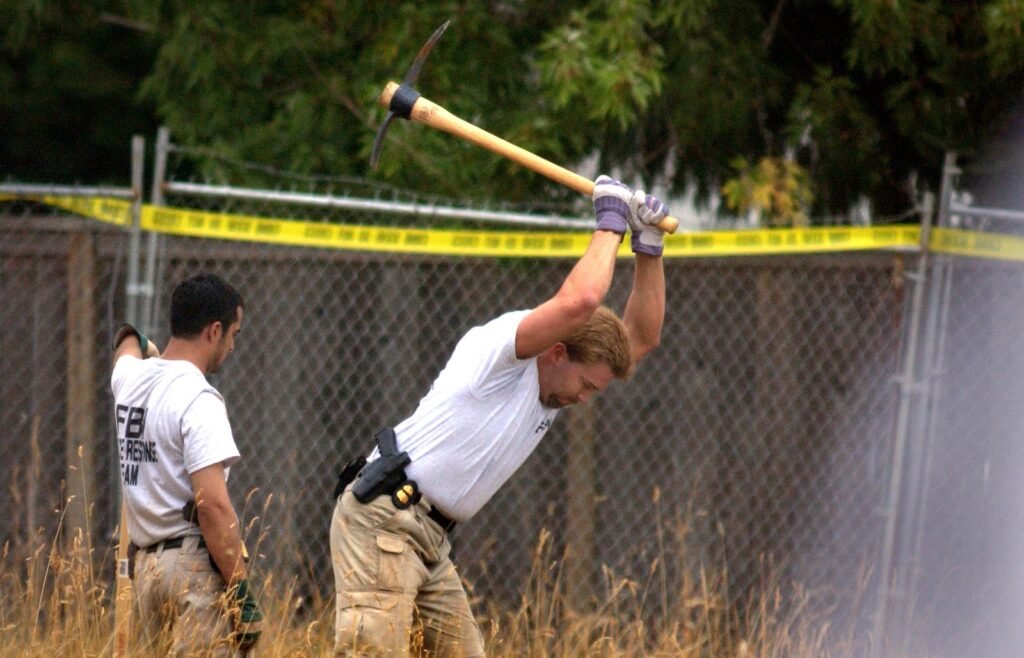
The next day, investigators broke up the concrete. Under it was a 55-gallon barrel. Inside the barrel was Ashley Pond, who would have turned 13 that March.
The slab had never been for a hot tub.
“We were constantly driving by here, 20 to 30 times a day, and to think she was right there all along is just heartbreaking,” an aunt told reporters.
Within days, the fence around the property had vanished behind teddy bears, flowers and poems. Crowds grew so large that the road had to be closed. Classmates stood vigil through the night with candles.
The other Ward Weaver
A retired homicide detective named Garry Davis was watching television that week when he heard a name that sent chills down his spine. He had heard it 20 years earlier.
In the summer of 1982, Davis had spent hours digging in a backyard in Oroville, California. Under a concrete slab he found the body of Barbara Levoy, 23.
The yard belonged to a long-haul trucker named Ward Weaver Jr. He was the father of the man in the Oregon City jail.
In February 1981, the elder Weaver had stopped for a young couple whose car had broken down on a California highway. He killed her fiance, 18-year-old Air Force cadet Robert Radford, and drove off with her. He killed her too, buried her in his yard and poured concrete over the grave.
He told his wife the slab was there so she wouldn’t get her feet wet when she hung out the laundry.
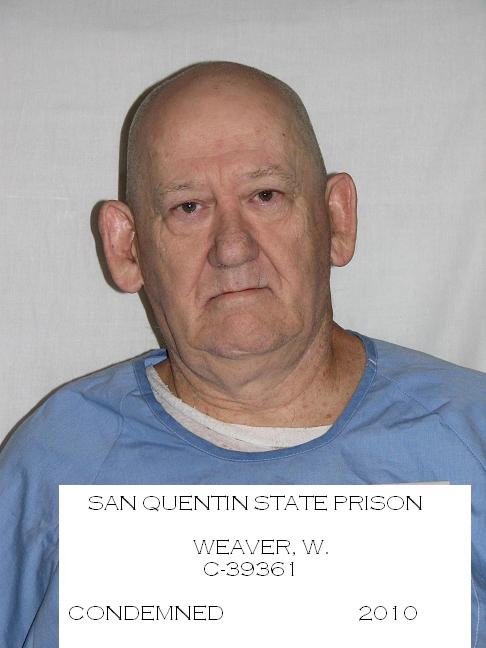
Ward Weaver Jr. was sentenced to death in 1984. His son, barely 20, moved to Bakersfield to watch the six-month trial. The prosecutor said the father’s truck route matched 26 unsolved hitchhiker killings, though he was never charged with any of them.
Twenty years later, the son poured his own slab and told his family a story about a hot tub.
When the FBI was still circling, he had blamed it all on family history. He told his half-brother the only reason anyone suspected him was because of what their father had done. The half-brother had heard about the concrete and been stunned. “I was thinking to myself, ‘What are you doing?'” Rodney Weaver said. “If they’re anywhere, that’s where they’d be.”
The year before, he admitted, he had taken Ashley along on a vacation trip to California. On the way they stopped at San Quentin, to visit his father.
“A special place in hell”
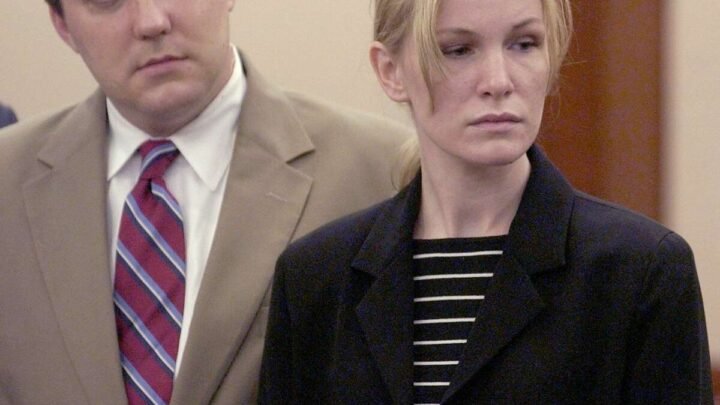
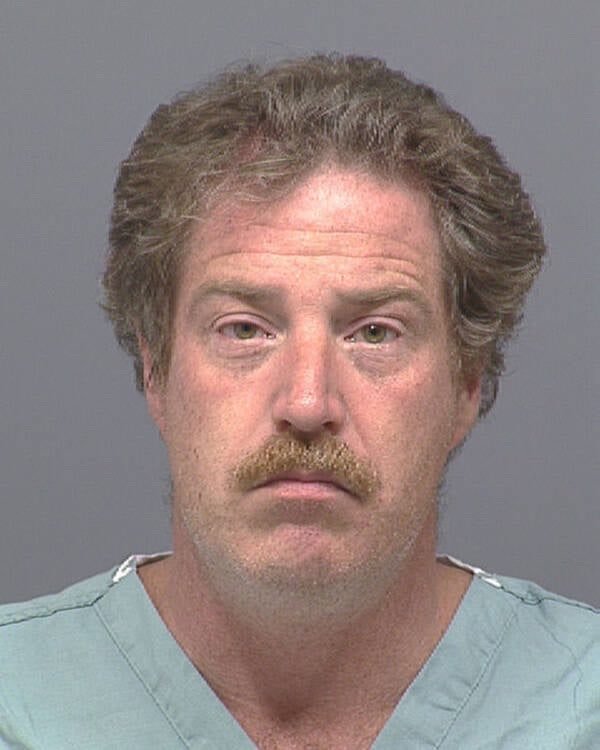
Weaver was indicted in October 2002 on six counts of aggravated murder, along with other charges including the attack on his son’s girlfriend. In September 2004, to avoid the death penalty, he pleaded guilty. He was sentenced to life in prison without the possibility of parole. He never publicly explained why.
“I think everyone probably shares in the hope that there is a special place in hell for people like you,” Judge Robert Herndon told him.
The case left a bitter question behind it. Why had a girl’s report against this man gone nowhere? Why had it taken so long to get under that concrete? Oregon’s governor ordered a review of how Ashley’s complaint had been handled.
In 2009, Miranda’s younger sister, Miriah, went to see Weaver in prison. She had to know, she told reporters. “It was the only way I could put it behind me.” He told her he had killed both girls with his bare hands. He also told her that she would have been next.
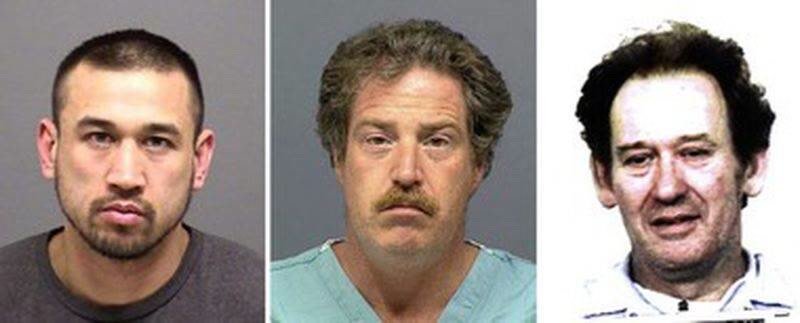
The story of the Weaver men did not end there, either. Testing during the case showed that Francis, who made the 911 call, was not Ward Weaver’s biological son, as both of them had believed. In 2014, Francis was arrested for the robbery and killing of a man in Canby, Oregon, and he too was convicted.
The rented house on South Beavercreek Road was torn down. When plans for apartments on the land came up in 2013, Miranda’s sister collected signatures to stop them.
Ashley Pond and Miranda Gaddis set out on a short walk to a school bus. The man who took them lived up the road, and he stood on top of the evidence and let the cameras roll.