“I’m digging down three foot”
In January 2010 the pressure on Dee Dee was building, and she came to Greg with a bigger problem. She asked him if he knew anyone who would take the blame for Abraham’s death.
Detectives set up a ruse. An undercover officer posed as Greg’s cousin, a man supposedly facing 30 years in prison on a drug charge who was willing to confess to a murder too. He wanted $50,000. And he wanted details: how Abraham died, and where he was. Dee Dee agreed to the deal.
According to investigators, it was the first time she had admitted that Abraham was dead.
Greg kept pushing her for the one thing she had never told anyone. “Show me where the property at,” he told her on one of the recordings. “Dee Dee, our life is at stake right here.”
On January 25, 2010, she gave it to him. She sketched a diagram of the land behind a house in Plant City, a house in the name of her boyfriend. She told Greg how deep to dig.
“I’m digging down three foot,” Greg later testified, repeating her instructions, “and I will see a white substance that was in the ground. And once I get to the white substance in the ground, I will see his body.”
She also gave him a revolver. The plan, Greg said, was to dig Abraham up and burn the body. He told her what supplies he would need, and she gathered them: bleach, rope and a trough.
That day Greg called detectives. “Just like I figured,” he told them, “the body’s on that property.”
Under the slab
Investigators followed the map to a rural property off State Road 60 near Plant City.
Behind the house was a slab of concrete about 30 feet by 30 feet. Reporters at the scene were told it had been laid since Abraham disappeared. Detectives brought in heavy equipment, broke it apart and started digging, working down the last few feet with hand tools and brushes.
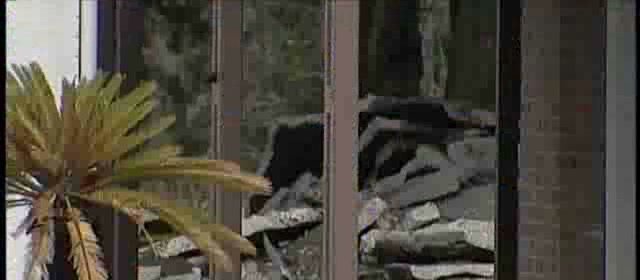
On the second day of digging they found a body.
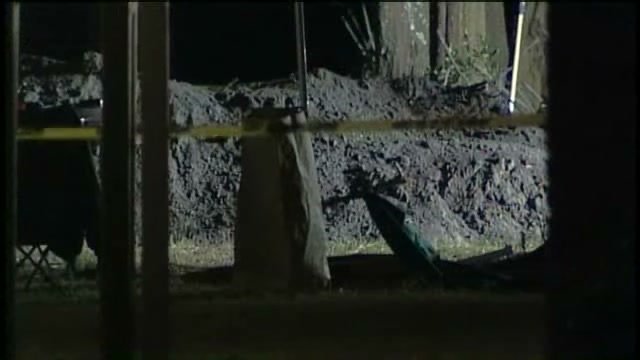
On January 29, 2010, fingerprints confirmed it was Abraham Shakespeare. He had been shot twice in the chest. Investigators believed he had been killed in early April 2009, at the Plant City house.
What she told detectives
Dee Dee was not under arrest yet. She talked to reporters and insisted she had never hurt him. “They are saying that I took a gun, put it up, and killed another human being, and I would never ever, ever do that,” she told ABC News. “The money was like a curse to him. And now it’s become a curse to me.”
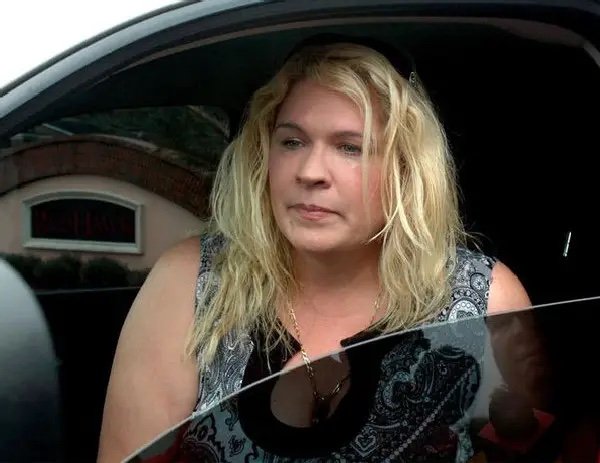
Then she sat down with detectives again. This time they let her know how much they already had.
“It’s the bottom of the ninth,” one detective told her. “And you’ve got two strikes.”
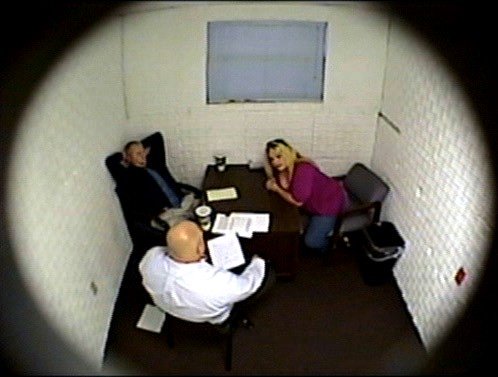
Over the next hours, she gave them story after story.
First, she said, it was a drug deal that went bad. She couldn’t come up with the drug dealer’s name.
Then she blamed Abraham’s cousin, the man who had reported him missing. “Cedric took the gun and in cold blood did not even hesitate to shoot the man,” she said. “And I seen it happen.”
Finally, as she broke down at the end of the interview, she gave a third version. Her teenage son had done it, she said. “Abraham was trying to choke me. RJ walked in the room, grabbed my gun, and shot him. He was only protecting me like any son would do.”
Detectives didn’t believe any of it. “I honestly can’t look at you and believe a word that’s come out of your mouth,” one of them told her.
On February 2, 2010, Dee Dee Moore was taken into custody as an accessory after the fact. On February 19 she was charged with first-degree murder. She pleaded not guilty.
“Cold, calculating and cruel”
Her trial opened in Tampa in late November 2012.
Greg Smith was the prosecution’s star witness. Jurors listened to hours of the recordings he had made, and for the first time they heard Dee Dee herself say on tape that Abraham was dead. They saw the diagram she had drawn. They watched the interrogation video. As her own voice filled the courtroom, she cried.
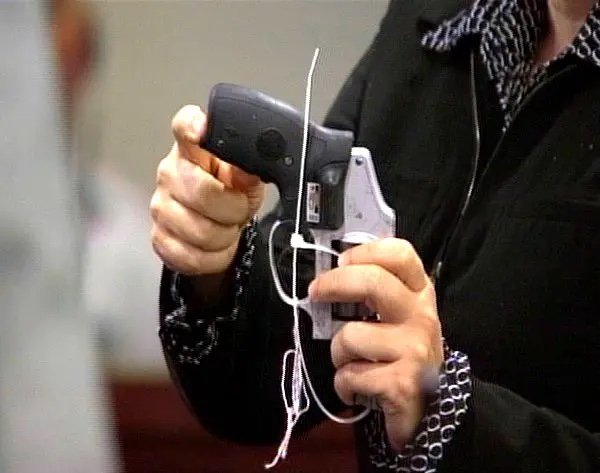
Her lawyers argued that she had been set up, and that Greg, a convicted felon who owed Abraham money, could not be trusted. Prosecutors said the gun she handed him was the murder weapon, although a crime lab analyst could not say for certain that the bullets had been fired from it.
On December 10, 2012, after deliberating for a little more than three hours, the jury found Dee Dee Moore guilty of first-degree murder. She showed no emotion as the verdict was read.
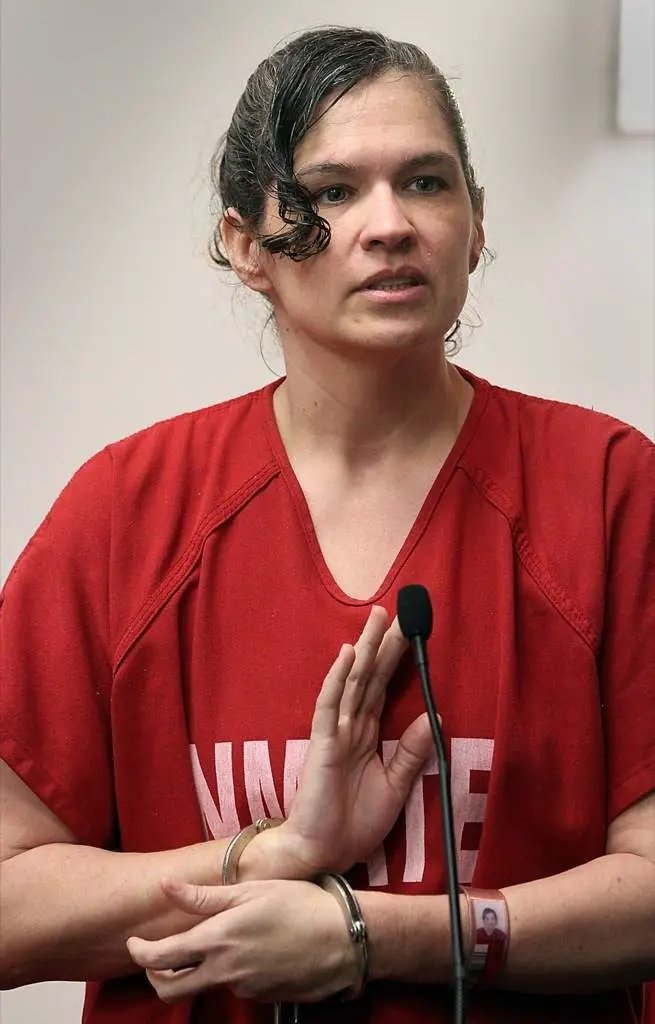
Circuit Judge Emmett Battles called her the most manipulative person he had ever seen. “Cold, calculating and cruel,” he said. He sentenced her to the mandatory term: life in prison without parole, plus a minimum of 25 years for using a gun.
Still not her
Dee Dee Moore has never admitted killing Abraham Shakespeare. From prison she has filed appeal after appeal. Her latest version blames Greg Smith, the friend who wore the wire. A judge turned down her most recent request for a new trial.
Abraham’s cousin Cynthia Johnson stood outside the Plant City property the night his body was found. “He was a good person,” she said, “and he was just used.”
He was 42. The money he won lasted less than three years. The woman who said she would write his story spent nine months telling it for him.