Reader discretion: this story contains details of violence some readers may find distressing.
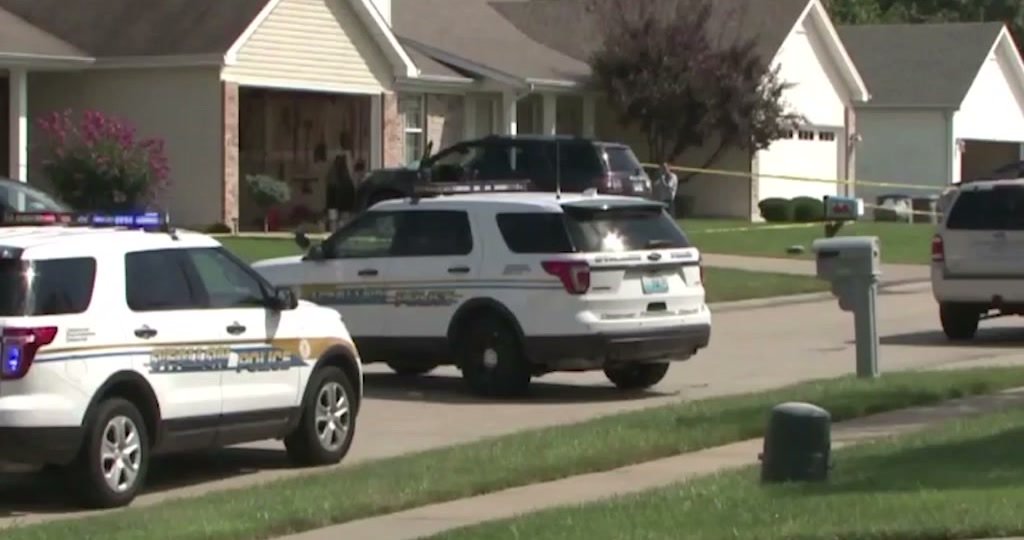
At 12:08 p.m. on Tuesday, August 16, 2016, a woman called 911 from a house on Little Brave Drive in O’Fallon, Missouri, a suburb west of St. Louis.
“Hey, hello, there’s someone breaking in my house,” she said. “Help! Help!”
The dispatcher asked for her address. The woman was shouting at someone else. “No, I’m not getting in the car with you. No, get away. Get out, get out, get out.”
“Help. I have somebody right here.”
Then came the gunshots. Five of them.
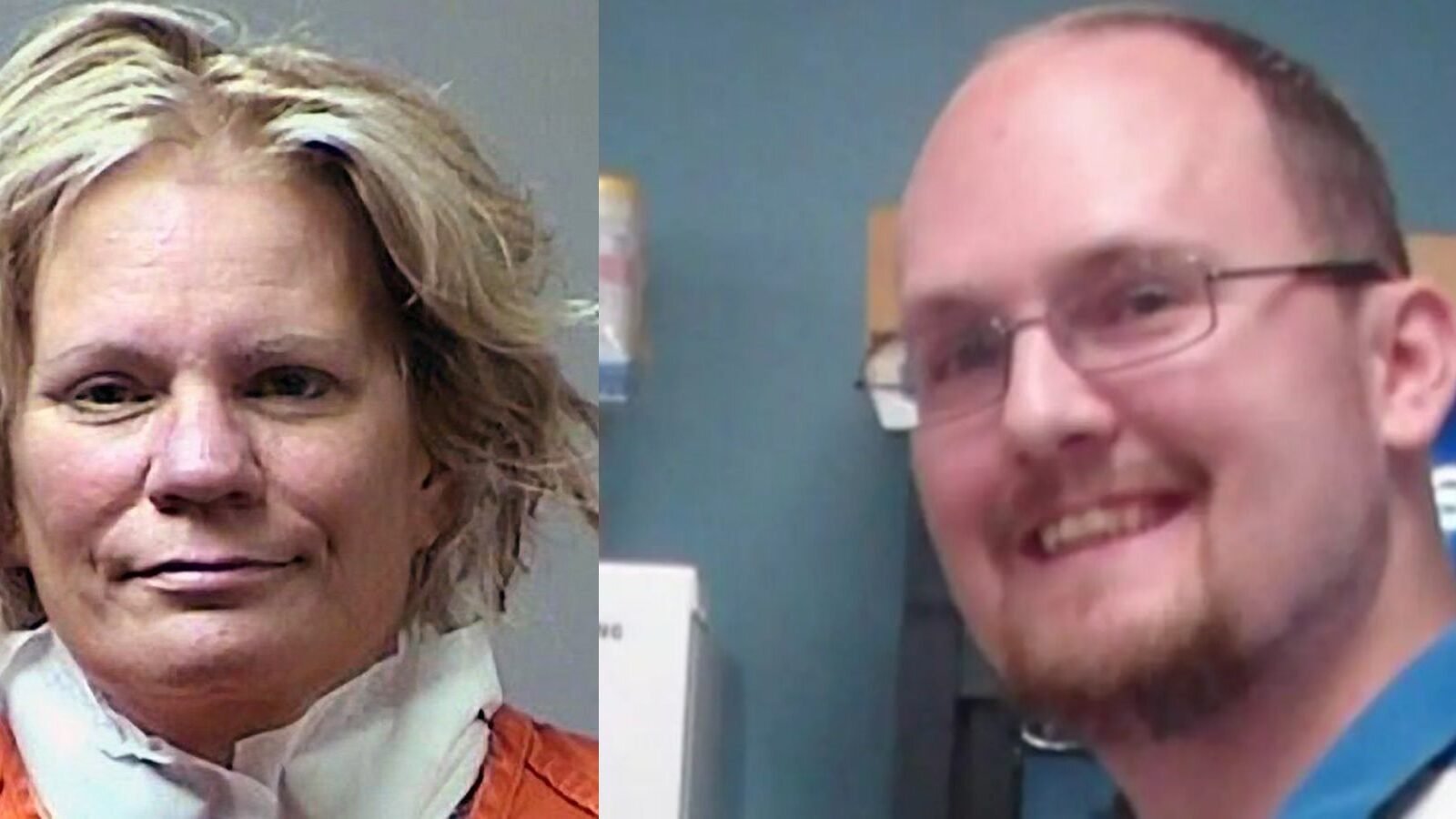
The caller was Pam Hupp, 57. When officers arrived, a man lay dead in the hallway just inside the door from her garage. Hupp told them he had attacked her and chased her into the house, and that she had shot him in self-defense.
The story she told
Hupp’s account was dramatic and detailed.
She said she had just come home to let her dog out and was backing out of her driveway to go to Best Buy when a car came speeding down the cross street and whipped around in front of her drive. A man jumped out of the passenger side, climbed into her car and held a knife to her throat.
He kept shouting the same thing, she said. She was going to drive him to the bank. She was going to get “Russ’s money.”
When he glanced back over his shoulder at the driver of the other car, she struck him and knocked the knife out of his hand. She ran into the house and into her bedroom, where she kept a revolver on the nightstand. The man came after her and tried to force his way into the bedroom. She called 911. Then she shot him.
“I unloaded the whole gun,” she told detectives later. She said she advanced on the man and kept firing until she heard “click, click, click.”
She also described the driver of the other car: dark hair, a buzz cut, darker skin. To the investigators listening, the description sounded a lot like one particular man.

“Russ’s money”
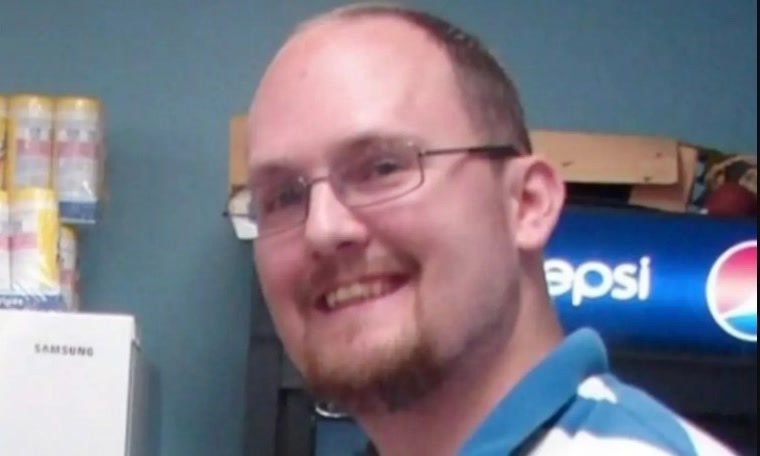
The dead man had no ID on him. Police identified him by his fingerprints. He was Louis Gumpenberger, 33.
In his pants pockets officers found $900 in cash and a handwritten note. According to the probable cause statement, the note “appeared to be instructions for Gumpenberger to kidnap Hupp, get Russ’s money from Hupp at her bank, and kill Hupp in order to collect the rest of the $10,000.”
In the St. Louis area, the name Russ meant only one thing.
Five years earlier, in December 2011, Betsy Faria had been stabbed to death in her home in Troy, Missouri, in neighboring Lincoln County. She had terminal cancer. Days before she died, she had made her friend Pam Hupp the sole beneficiary of her $150,000 life insurance policy. Hupp was the last known person to see her alive.
Hupp became the prosecution’s key witness against Betsy’s husband, Russ Faria. He was convicted in 2013 and sentenced to life. Two years later, at a retrial, his lawyer was allowed to point the finger at Hupp, and Russ Faria was acquitted.
So the note in the dead man’s pocket told a simple story. Russ wanted the insurance money, and he had hired a hit man to get it from the woman who had helped send him to prison.
A crime scene that didn’t add up
The investigators who walked into the house saw problems almost at once.
There was no sign of a struggle and no sign of forced entry. And under the dead man lay a piece of carpet that had been cut out and placed there, almost as if on purpose. It had protected Hupp’s good carpet underneath.
Then they talked to Louis Gumpenberger’s mother. Her son, she told them, did not have the mental capacity to plan a kidnapping for money. A car crash in 2005 had left him with severe brain damage and nerve damage in one arm. He could not drive. He could not even run.
Hupp had gone to the O’Fallon police station voluntarily that afternoon. A camera recorded the interview. Her first recorded words were about whether it would be filmed, because, she said, she always appeared on the news with Chris Hayes, a reporter at the St. Louis Fox station who had been covering the Faria case for years.
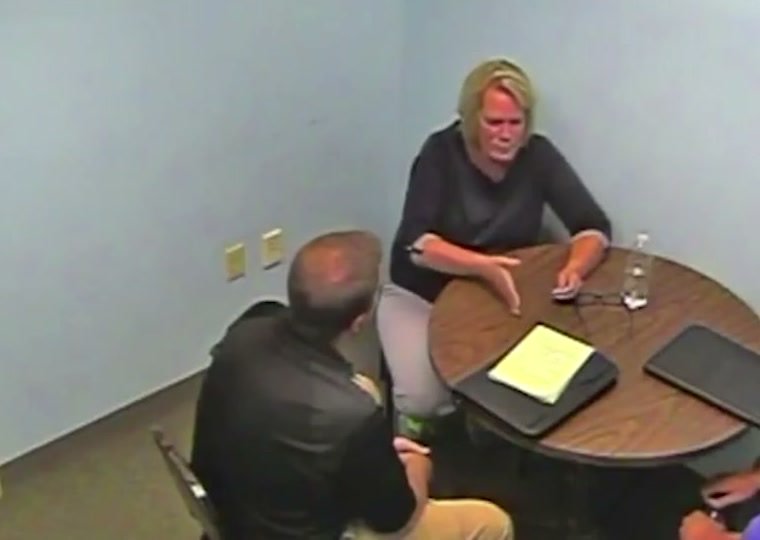
She was calm, even chatty. She walked detectives through her whole morning: feeding and walking the dog, a shower, getting gas, the free soda she got at the same little store every day with her loyalty card. One investigator later described her attitude as “lackadaisical.”
Detective Brian Hilkey thought her account of the shooting sounded scripted. Advancing on a target while firing, he noted, is something people learn in police or military training.
But a story that sounds odd is not proof. What the detectives needed was something that showed what had really happened inside that house at 12:08 p.m.
They had it already. It was the recording of her own 911 call.
Most people don’t know that a 911 call starts recording the moment it connects, before a dispatcher says a single word. Detectives went back to the very first seconds of Pam Hupp’s call.
Continue readingPage 2 of 2