
Reader discretion: this story contains details of violence some readers may find distressing.
On the evening of July 18, 2018, Mollie Tibbetts laced up her running shoes in Brooklyn, Iowa, and headed out the door.
She was 20, a psychology student at the University of Iowa, home for the summer in Brooklyn, her hometown. Brooklyn has about 1,500 people, a few streets of houses and miles of corn and soybean fields in every direction. Running those country roads was part of Mollie’s routine.
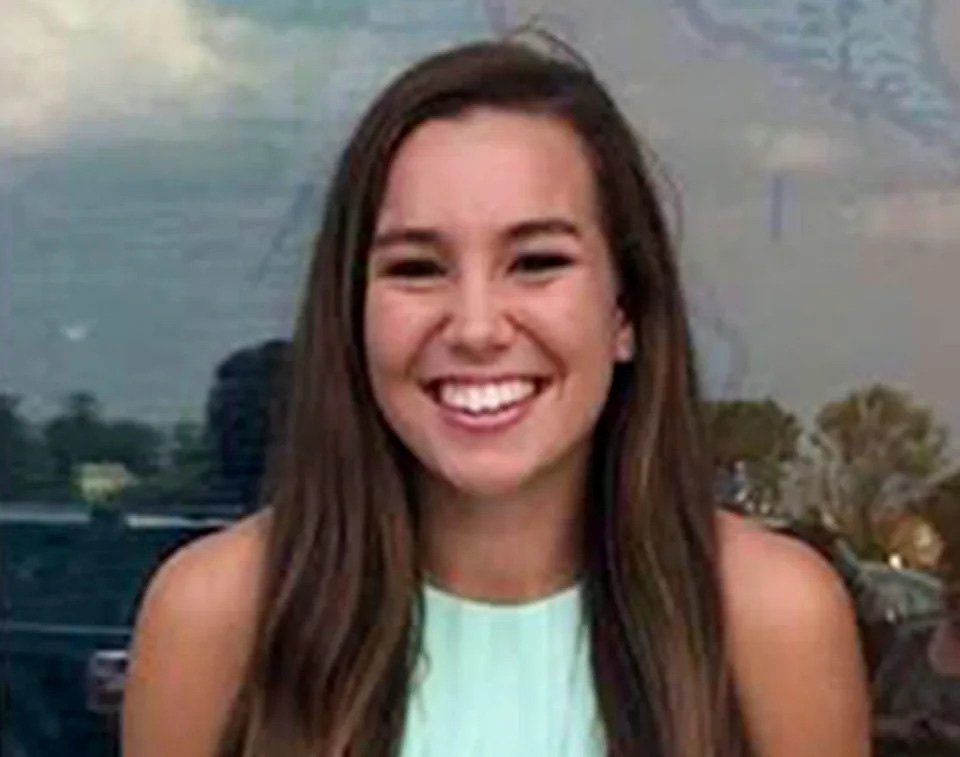
That week she was staying at her boyfriend’s house in town and looking after his dogs. He was more than 100 miles away, working a construction job in Dubuque.
At about 7:45 that evening, a hairdresser driving on a road outside Brooklyn passed Mollie as she ran. It was one of the last times anyone saw her alive.
Gone
The next morning, Mollie didn’t show up for her job at a day care, and she didn’t answer her phone. Her family reported her missing.
Within days, Brooklyn was full of searchers. The Poweshiek County Sheriff’s Office was joined by the Iowa Division of Criminal Investigation and the FBI. Volunteers walked ditches and fields. Her face was on missing posters across the state.
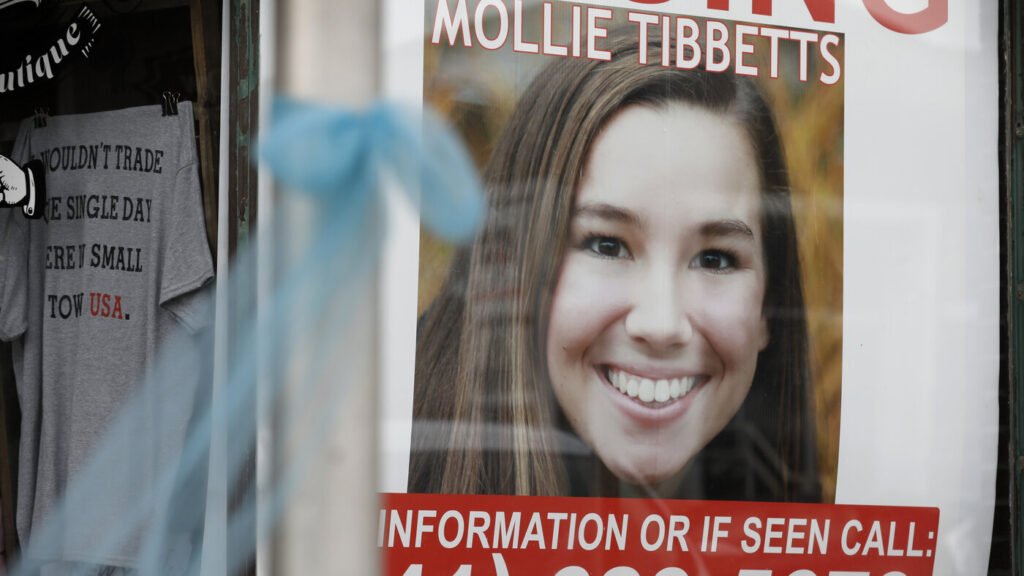
Investigators chased more than 2,300 tips and did more than 500 interviews. Police said early on that her boyfriend was not a suspect. They tried to pull data from her Fitbit. A reported sighting at a truck stop in Missouri turned out to be false. A reward fund for information grew past $366,000.
Nothing led to Mollie.
The camera on the edge of town
In mid-August, about four weeks after Mollie disappeared, investigators went back to basics. Agents from the Iowa DCI went door to door in Brooklyn, collecting video from any home security camera that might have caught the street on the evening of July 18.
On August 14, one of those agents, Derek Riessen, collected footage from the home of a man named Logan Collins. His family’s cameras covered their yard, the neighbors’ properties and part of the street.
The next day, an agent watching the video saw something.
At about 7:45 p.m., a runner with a ponytail crossed the far edge of the frame. She was on screen for a split second.
About 20 seconds later, a black Chevrolet Malibu drove past.
Over the next 20 minutes, the same car came back again and again, passing through the frame numerous times after the runner had gone by. At 8:07 p.m. it headed back in her direction, faster.
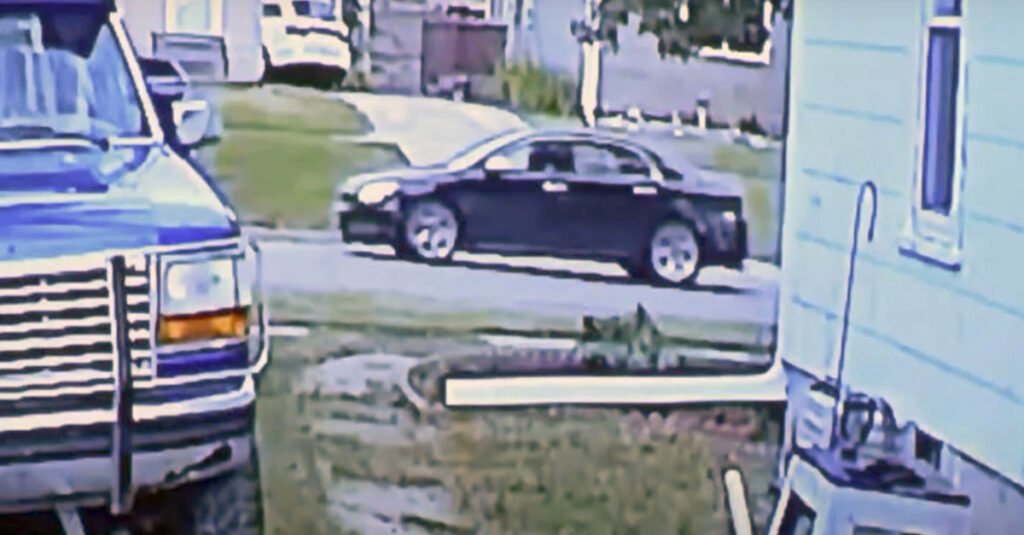
The video was blurry. Nobody could read the license plate, and nobody could see who was driving. But the car had details that stood out on a plain black sedan: chrome mirror covers, chrome door handles and chrome rims.
“The footage on Logan Collins’ cameras broke open the case for us,” a DCI agent later told a jury. “It was the lead that we needed.”
The deputy
Poweshiek County Deputy Steve Kivi watched the video on August 15. On August 16, he was out on the road near Brooklyn when a black Malibu came off Interstate 80.
It “caught my eye,” he said later. He followed it to identify the car and its driver, and stopped to talk to him.
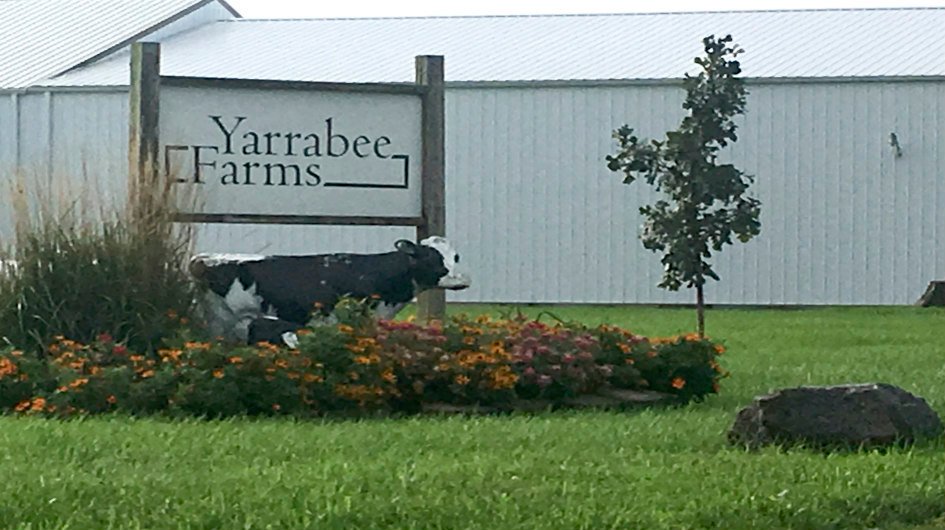
The driver was a 24-year-old farmhand named Cristhian Bahena Rivera. He had worked for about four years at Yarrabee Farms, a dairy operation just outside Brooklyn. He had a young daughter and no criminal record.
He didn’t speak much English, so an older man in a nearby yard helped translate. He handed Kivi a birth certificate as ID and gave him a phone number.
He was calm and polite. He said he had heard that a girl from Brooklyn was missing. He didn’t know anything that could help.
Kivi photographed him and photographed the car. He looked through the windows but didn’t search it. Then he let him go.
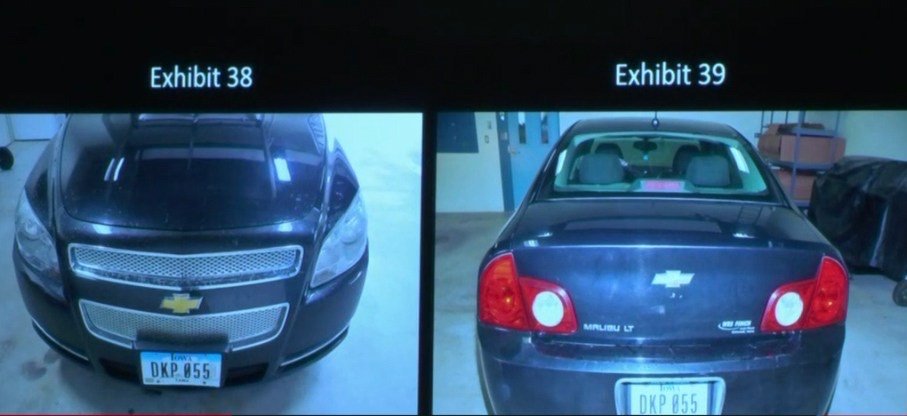
Eleven hours
Four days later, on August 20, officers picked Bahena Rivera up at the dairy farm after a 12-hour workday and took him to the Poweshiek County Sheriff’s Office.
The interview was done entirely in Spanish, led by Pamela Romero, a native Spanish speaker and then an Iowa City police officer. He was told he could leave at any time. He kept his phone. He got food, water and eight or nine breaks.
Romero started with the surveillance video: his car, the runner, the passes up and down the street.
For a long time, he gave them nothing. Then he began to talk.
He told her he had seen Mollie running and thought she was attractive. He drove past her, turned around for another look, and kept circling. At one point, he said, he parked behind her, got out, and ran up alongside her.
Mollie noticed him. She grabbed her phone.
“You need to leave me alone,” he said she told him. “I’m going to call the police.”
Then she ran, and he chased her.
He said he got angry. And then, he said, he blacked out. When he got very upset, he told them, his memory “blocked.”
The next thing he remembered, he was behind the wheel, coming to at an intersection.
He looked down. Something was lying in his lap.
Continue readingPage 2 of 2