Reader discretion: this story contains details of violence some readers may find distressing.
Shortly before 10 p.m. on May 11, 2022, a woman named Caitlin Cash called 911 from a garage apartment behind a purple house on Maple Avenue in East Austin, Texas.
“My friend is staying with me, and I just walked in,” she told the dispatcher. “And she’s laying on the bathroom floor.”
The dispatcher asked if her friend was breathing.
“No.”
The dispatcher talked her through chest compressions until paramedics arrived. It was far too late. Her friend had been shot.
Her name was Anna Moriah Wilson. Everyone called her Mo.
The rising star
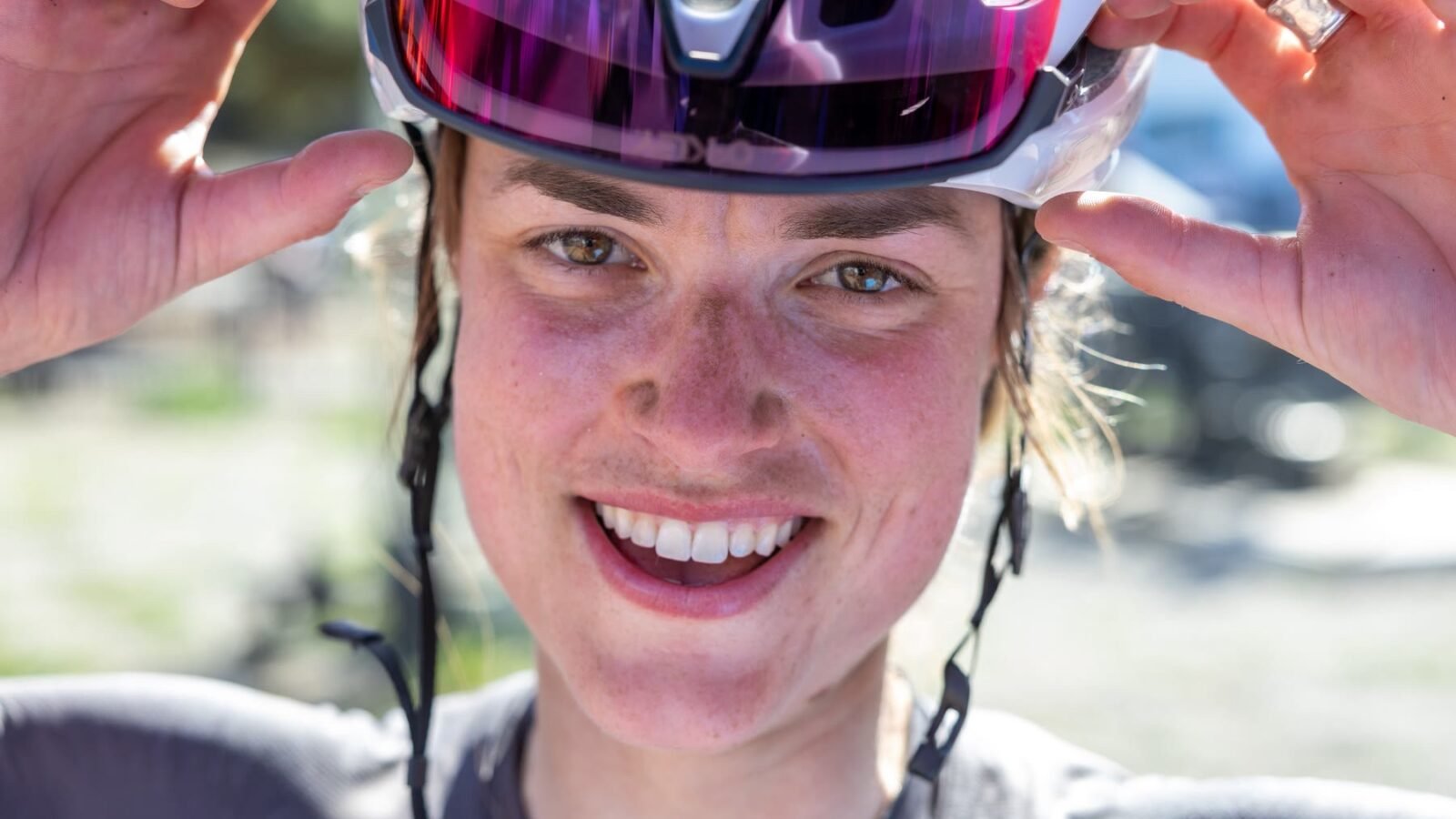
Mo Wilson was 25. She had grown up in Kirby, Vermont, raced on skis as a teenager, studied engineering at Dartmouth and then switched to bikes. By the spring of 2022 she was one of the best gravel racers in the United States, winning some of the biggest races in the sport.
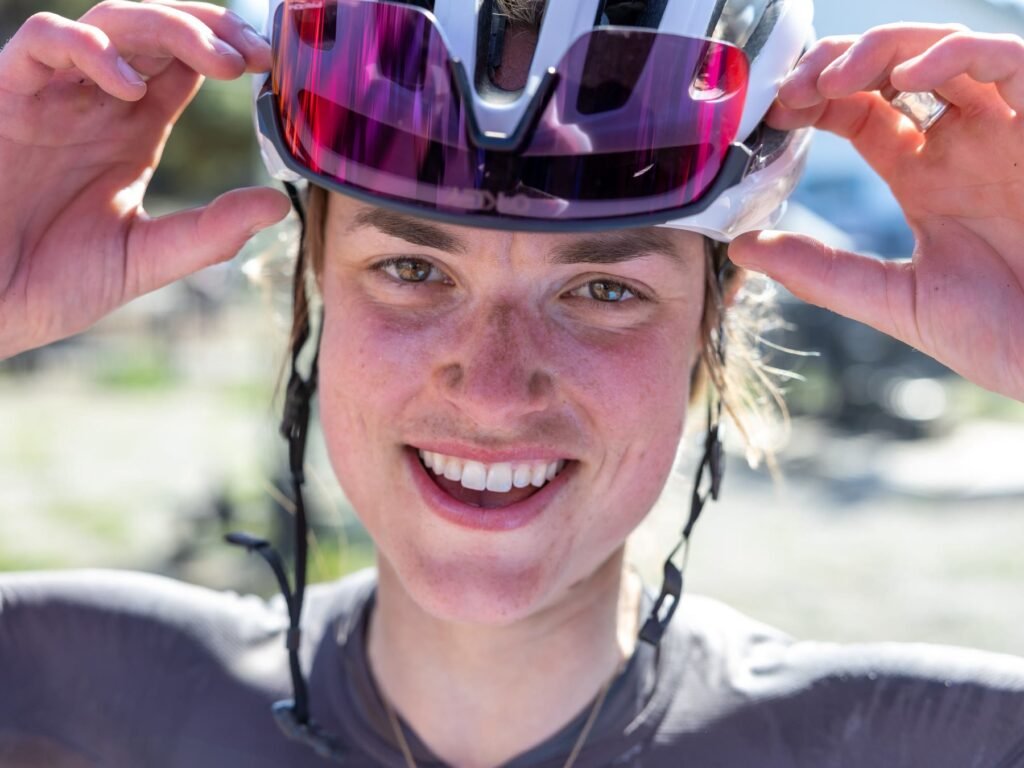
She had come to Austin for a race that weekend in the small town of Hico, about two hours away. She was staying with Caitlin, a friend from the cycling world.
On the afternoon of May 11, Mo went swimming at Deep Eddy Pool with Colin Strickland, a well-known professional gravel racer. They had dinner afterwards, and he dropped her back at the apartment around 8:30 p.m. Prosecutors later said the electronic lock on Caitlin’s door logged Mo coming in at 8:36.
At 9:13 p.m., she sent her last text message.
The other woman
Colin Strickland and Mo had briefly dated the previous fall, at a time when Colin had split up with his long-term girlfriend. That girlfriend was a 34-year-old yoga teacher and real estate agent named Kaitlin Armstrong.
By May 2022, Colin and Kaitlin were back together and living in the same house in Austin. According to what investigators later wrote, Colin had kept his contact with Mo hidden from her. He deleted messages, and he saved Mo’s number in his phone under a different name.
When Austin police officers found Colin the next morning, their body cameras were recording. “There’s really no easy way to say this, sir,” an officer told him. “Apparently, last night, she passed away.” He was told it was being investigated as a homicide.
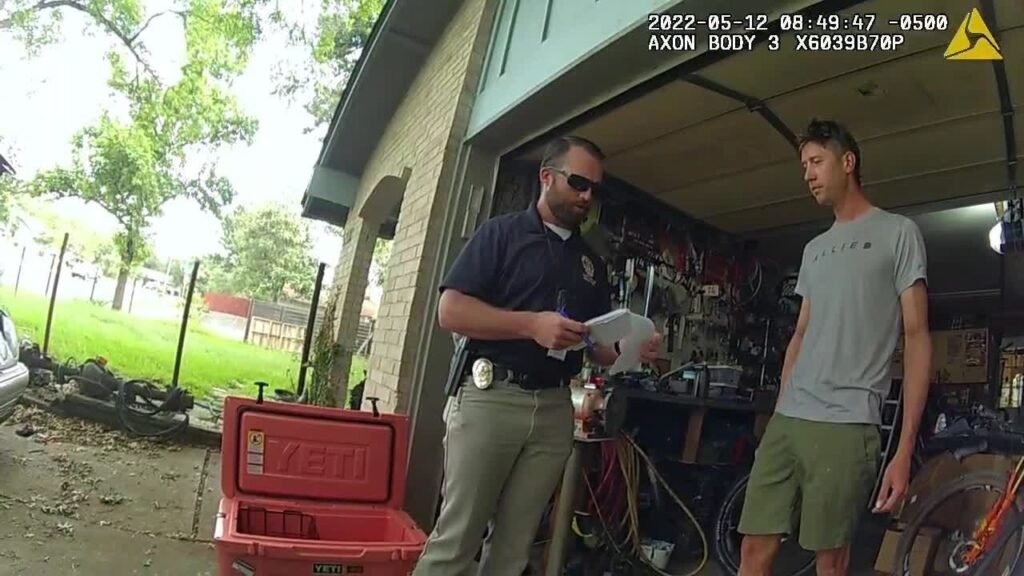
Colin told police he had dropped Mo off and driven away. Investigators checked his account, and he was ruled out as a suspect.
But while they were talking to him, another name came up.
A warrant with the wrong birthday
On May 12, the day after the killing, Austin officers arrested Kaitlin Armstrong outside her home on an old warrant for theft of services, a minor misdemeanor. They brought her downtown to police headquarters in handcuffs.
At 1:14 in the afternoon, she was sitting in a homicide interview room on an orange chair with her legs stretched out, across a small round table from Detective Katy Conner. A camera in the ceiling recorded everything.
The detective started with the warrant. Kaitlin said she had never heard of it. “I have no idea,” she said. Then she asked a question of her own. “If I have an existing warrant and you don’t know what it’s about, do I need an attorney here?”
A few minutes later, someone knocked on the door. Detective Conner came back with news.
“The date of birth was wrong,” she said. The warrant had Kaitlin’s name, but it belonged to someone else. “You’re not under arrest. Okay?”
“I feel like I should have an attorney present,” Kaitlin said.
The detective told her the door was unlocked and she could leave at any time. Kaitlin said she would love to leave. Then the detective began to talk about Colin, about the woman from the cycling world who had died, and about how she only had his side of the story.
Kaitlin said she didn’t know anything about it. She didn’t know Colin had gone out with this girl. “I don’t actually know,” she said, “and I would like to leave.”
Then Detective Conner said the line that the whole interview had been building toward.
“Your vehicle was seen next to her house.”
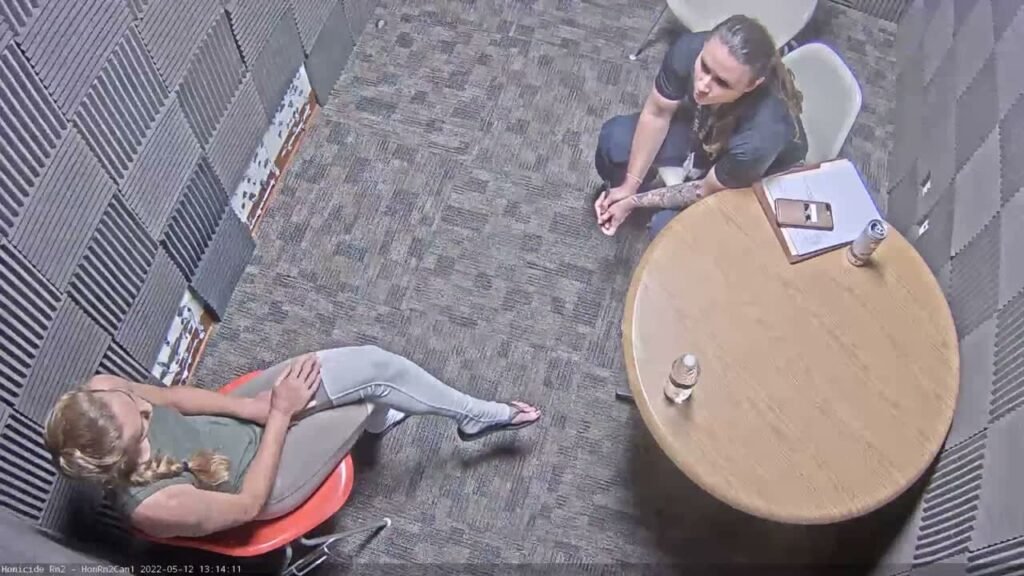
There might be a logical explanation, the detective said. Maybe she had just been upset and was in the area. “When I can’t explain that and all I see is that your vehicle’s over there, that kinda makes it look not too good. Right?”
The detective asked if there was any explanation for why the vehicle would be there.
“I would like to leave if I’m free to leave,” Kaitlin said.
She was free to leave. Because of a wrong date of birth on an old warrant, there was nothing to hold her on. At trial, Detective Conner testified that nobody told her she couldn’t leave Austin, or Texas, or the country.
Kaitlin Armstrong walked out of police headquarters that afternoon. Detectives had not shown her everything they had. And she did not wait to find out.
Continue readingPage 2 of 2